Judge orders Trump administration to restore censored national park exhibits
A federal judge ordered the Trump administration to restore park exhibits on slavery, climate change and labor history, calling the removals censorship and sanitization.

A federal judge in Boston ordered the Trump administration to put back national park exhibits and signs stripped of material on slavery, climate change and other contested subjects, saying the removals crossed into censorship. U.S. District Judge Angel Kelley gave the Interior Department 21 days to restore altered, removed or damaged interpretive materials and ordered weekly compliance reports as the fight over federal historic sites sharpened ahead of the nation’s 250th anniversary.
The lawsuit was filed in February by a coalition led by the National Parks Conservation Association and joined by the American Association for State and Local History, the Association of National Park Rangers, the Coalition to Protect America’s Parks, the Society for Experiential Graphic Design and the Union of Concerned Scientists. Represented by Democracy Forward, the groups said the Interior Department had removed or censored dozens of exhibits that presented factually accurate U.S. history and scientific knowledge.
Kelley tied the government’s actions to a March 2025 executive order titled “Restoring Truth and Sanity to American History,” followed by a May 20, 2025 order from Interior Secretary Doug Burgum implementing the directive within the National Park Service. She said the policy created a “dangerous precedent of censorship and sanitization,” and the order cited the removal or alteration of materials at 433 National Park Service-managed units. Kelley also pointed to the National Park Service Organic Act, the National Park Service Centennial Act and the National Parks Omnibus Management Act in concluding that the changes had been made without authorization.
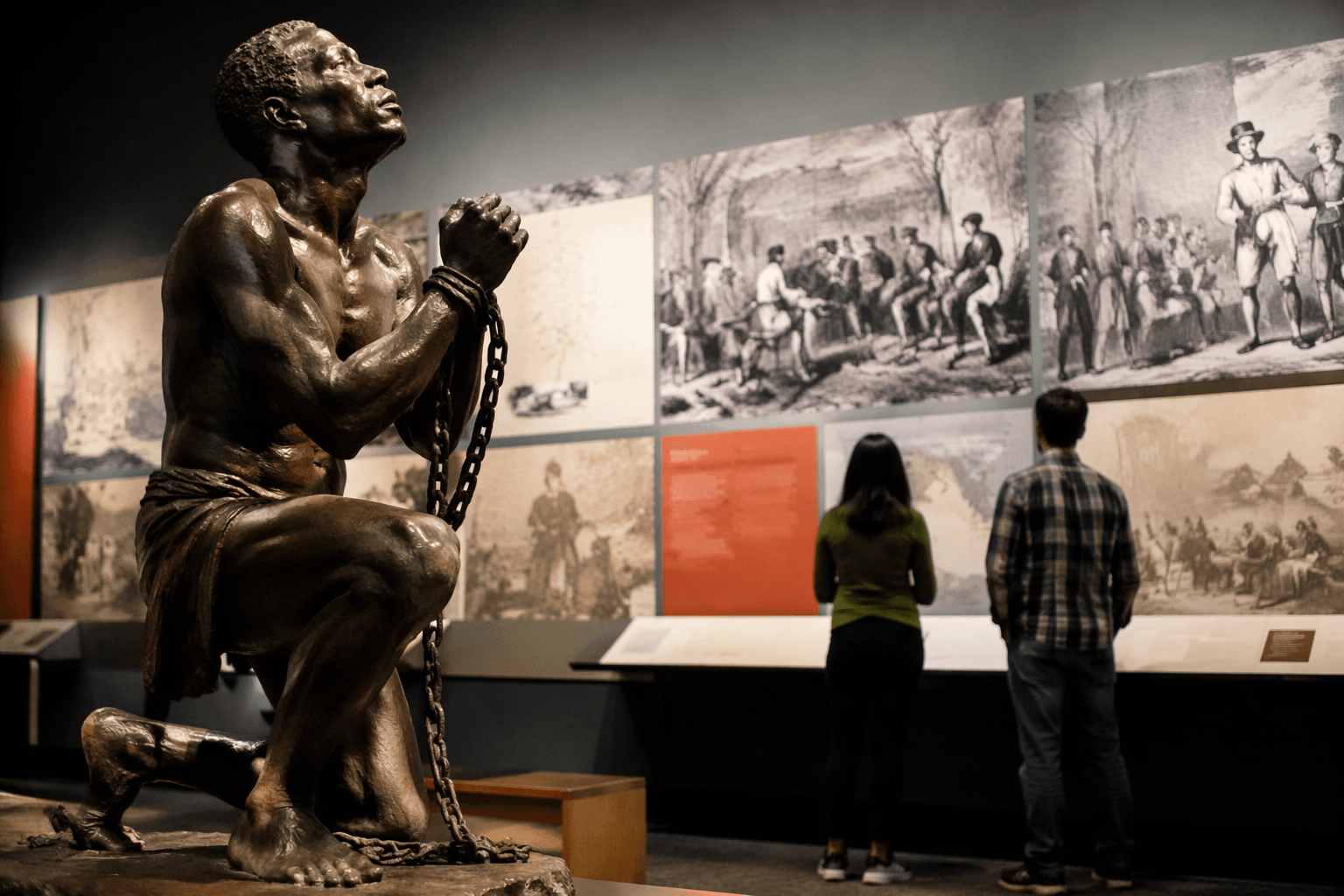
Among the exhibits caught up in the dispute was a display at Independence National Historical Park in Philadelphia that described enslaved people who lived at George Washington’s President’s House site. Other targets included signage on climate threats at Fort Sumter National Monument in South Carolina, panels at Bunker Hill Monument in Boston and Charlestown that included quotes about suffrage, immigration, abolitionist and anti-war movements, a sign at Sunset Crater Volcano National Monument in Arizona that was removed because it showed a visitor holding a Pride flag, and films on labor history at Lowell National Historical Park in Massachusetts.
The Interior Department called Kelley a “liberal activist judge” and said it was reviewing whether to appeal. Supporters of the ruling said it protected access to American history and science as the country heads toward 250 years of independence, while Massachusetts officials including Sen. Ed Markey and Gov. Maura Healey condemned the removals as censorship and erasure of difficult history.
This article was produced by Prism’s automated news system from verified source data, official records, and press releases, then run through automated quality and moderation checks before publishing. The system is built and supervised by the people who set the standards it runs under. Read our full AI policy.
Know something we missed? Have a correction or additional information?
Submit a Tip