NASA retools Artemis III as 2027 test flight before moon landing
NASA recast Artemis III as a 2027 orbital shakedown, but lander delays, a $18.3 billion budget and no rescue plan still threaten the Moon schedule.
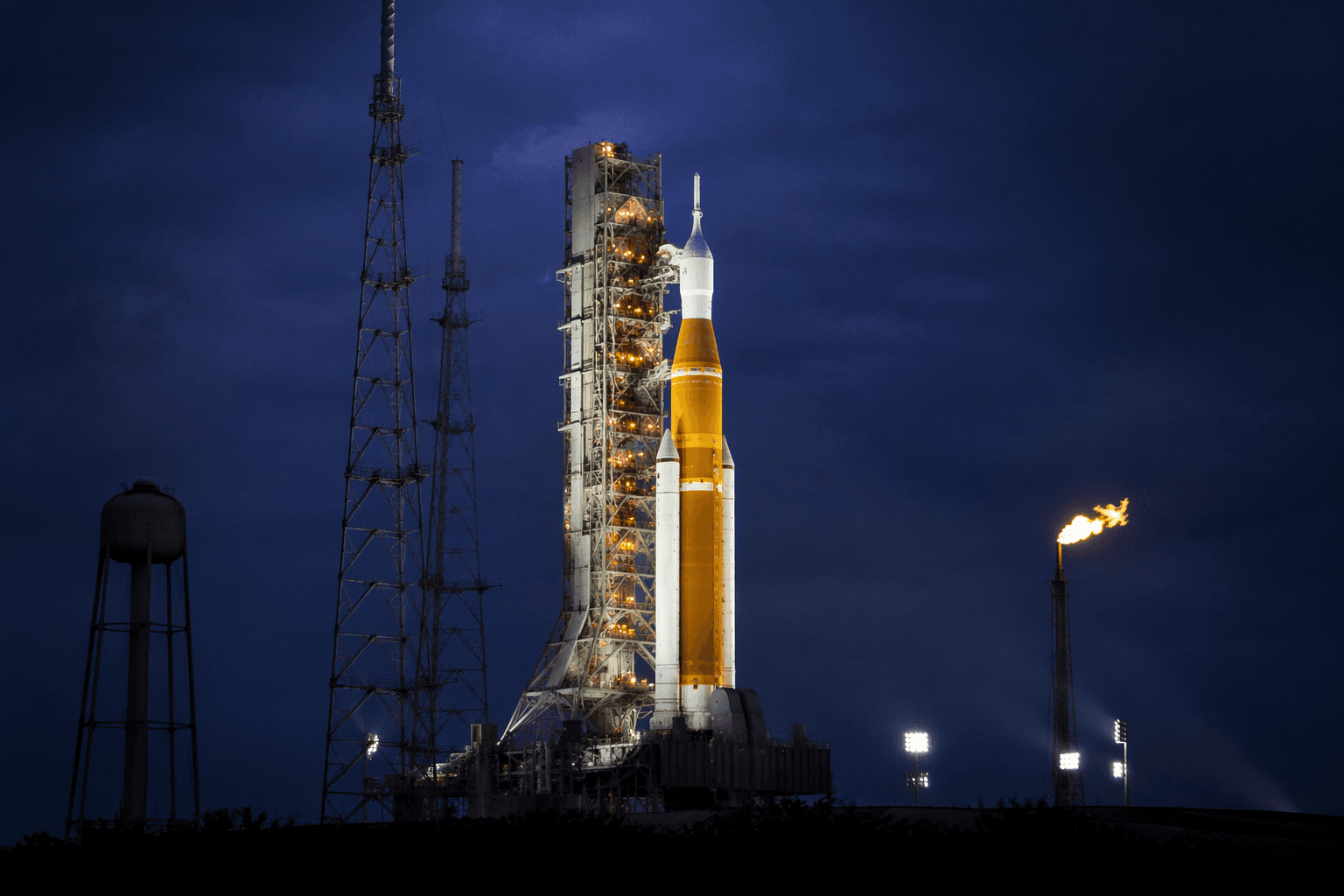
NASA has recast Artemis III from a moon landing into a 2027 crewed demonstration in Earth orbit, turning the mission into a hard systems test before any astronaut tries to reach the lunar surface. The flight, launched from Kennedy Space Center in Florida aboard Orion, is now meant to prove rendezvous, docking and other critical operations that will support later lunar landings.
The shift pushes the first planned crewed landing to Artemis IV, now targeted for early 2028 at the lunar South Pole. NASA says that mission would send astronauts into lunar orbit, then drop two crew members to the surface for about a week. Artemis III is also supposed to validate how Orion works with commercial human landing systems being developed by SpaceX and Blue Origin, a technical handshake that has become one of the program’s biggest execution tests. NASA is working with SpaceX on a lunar lander version of Starship to move astronauts from lunar orbit to the Moon’s surface and back.
The budget story is just as demanding. NASA’s Human Landing System program began in 2019, and the agency has already obligated about $6.9 billion for development. The NASA Office of Inspector General estimates the total bill will reach $18.3 billion through fiscal year 2030, underscoring how expensive the path to the Moon has become before a single crewed landing is complete. The watchdog also said NASA does not currently have the capability to rescue astronauts stranded in space or on the lunar surface, and warned that gaps remain in the agency’s testing posture and crew survival analyses.
Schedule pressure has only sharpened. NASA rolled out the Artemis III core stage at Kennedy Space Center in April 2026 and announced the Artemis III crew in June 2026, signaling confidence in the program’s pace. But a Blue Origin New Glenn rocket exploded during a static-fire test on May 28, 2026, adding fresh doubt to a chain of lander-development risks that outside experts say still makes the timetable look aggressive. For NASA, Artemis III is less a victory lap than a proving ground, and the next 18 months will decide whether the Moon return remains on track or slips again.
This article was produced by Prism’s automated news system from verified source data, official records, and press releases, then run through automated quality and moderation checks before publishing. The system is built and supervised by the people who set the standards it runs under. Read our full AI policy.
Know something we missed? Have a correction or additional information?
Submit a Tip