Judge partly suppresses evidence in Luigi Mangione murder case
A judge said police searched Luigi Mangione’s backpack without a warrant, cutting out some evidence but leaving the gun, notebook and other key items for trial.

A New York judge has narrowed, but not gutted, the evidence prosecutors can use against Luigi Mangione in the killing of UnitedHealthcare chief executive Brian Thompson. Justice Gregory Carro ruled that police unlawfully searched Mangione’s backpack without a warrant after his arrest in Altoona, Pennsylvania, making the first haul from that bag off-limits at trial, including a loaded handgun magazine, a cell phone and a computer chip.
The ruling is a constitutional setback for prosecutors because it draws a hard line around police procedure. Carro said the later search of the backpack at a police station was lawful, which means investigators can still rely on evidence recovered then, including a nine-millimeter gun, a silencer, a USB drive, cash, a passport and a notebook. Carro also rejected Mangione’s bid to suppress his initial statements to law enforcement, leaving those remarks in play for the state case.
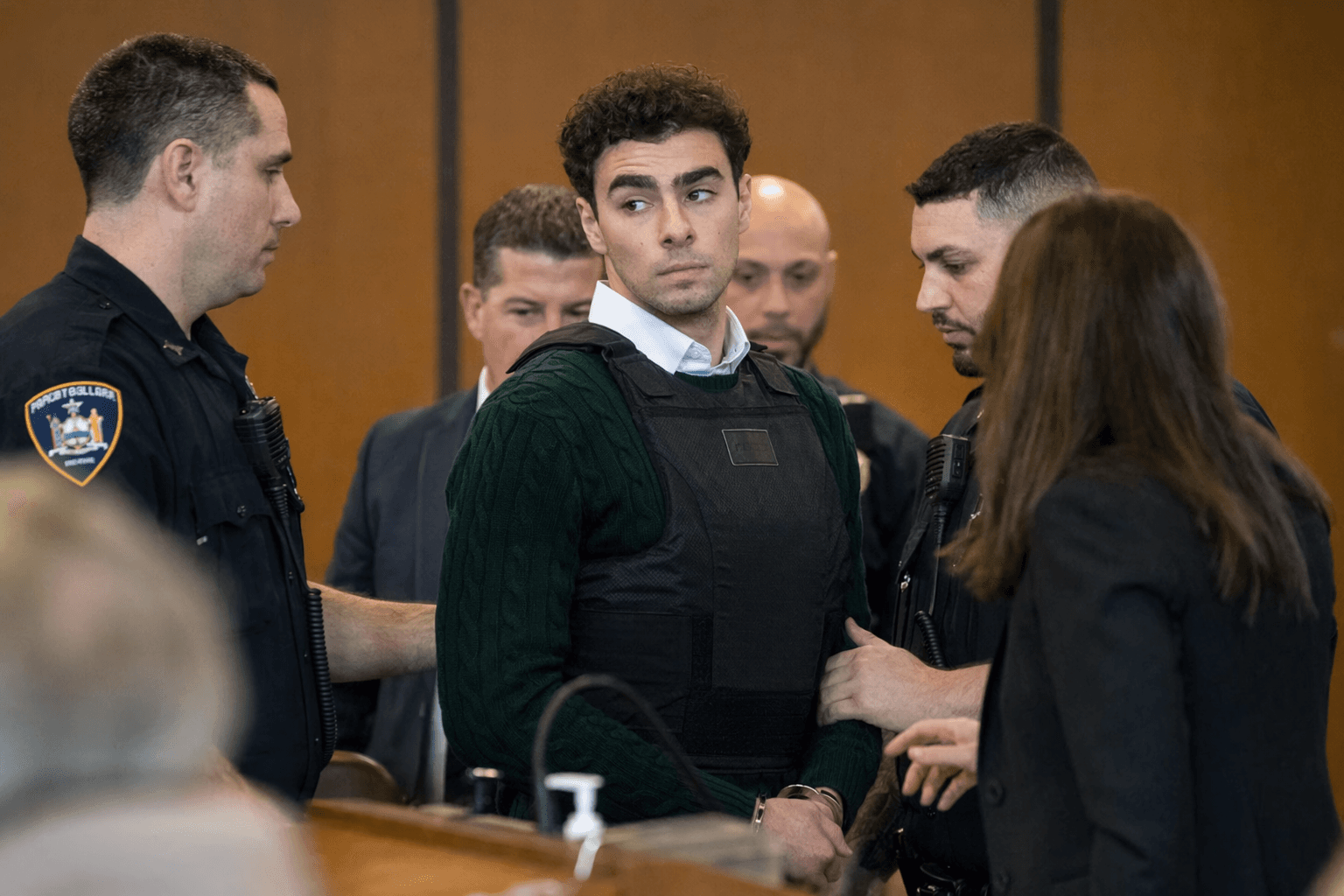
Mangione was arrested on Dec. 9, 2024, at a McDonald’s in Altoona after an employee recognized him from media coverage and called 911. Altoona officers Joseph Detwiler and Tyler Frye responded, and court records say Mangione bought food, sat in the rear dining area and gave police a false name, Mark Rosario, along with a New Jersey driver’s license in that name. The judge’s written decision in People v. Mangione said the suppression hearing, held in December 2025, heard testimony from 17 witnesses.
The case stems from the fatal shooting of Thompson outside the New York Hilton Midtown in Manhattan on Dec. 4, 2024. Prosecutors say Mangione shot Thompson on a Midtown sidewalk as the executive headed to an investor conference, an attack that rattled the business world and turned into a political flashpoint because some Americans saw it as a symbol of anger at the health insurance industry. Mangione has pleaded not guilty in the state case and in a parallel federal case.

Even with part of the backpack search thrown out, prosecutors still have what they describe as substantial evidence: DNA, fingerprints, hundreds of hours of video footage, a cell phone and another backpack Mangione allegedly dropped while fleeing New York after the killing. The ruling therefore shapes what jurors may hear, but it does not remove the core physical case against him.

The timing also matters. Carro had already moved the state trial from June 8 to Sept. 8, 2026. In federal court, Judge Margaret Garnett first pushed jury selection from Sept. 8 to Oct. 5, then later to January 2027. The federal case also lost a death-penalty-eligible count in January 2026. For Mangione’s defense, the ruling preserves room to challenge how police handled the arrest; for prosecutors, it leaves enough evidence intact to press a high-stakes homicide case that will keep testing the limits of search-and-seizure law.
Know something we missed? Have a correction or additional information?
Submit a Tip