Judge rebukes DOJ for failing to disclose law barring reporter home raids
Judge Boasberg ordered the Justice Department to explain why it omitted the Privacy Protection Act from a warrant for a Washington Post reporter and set a March 4 hearing; seized devices may be returned.
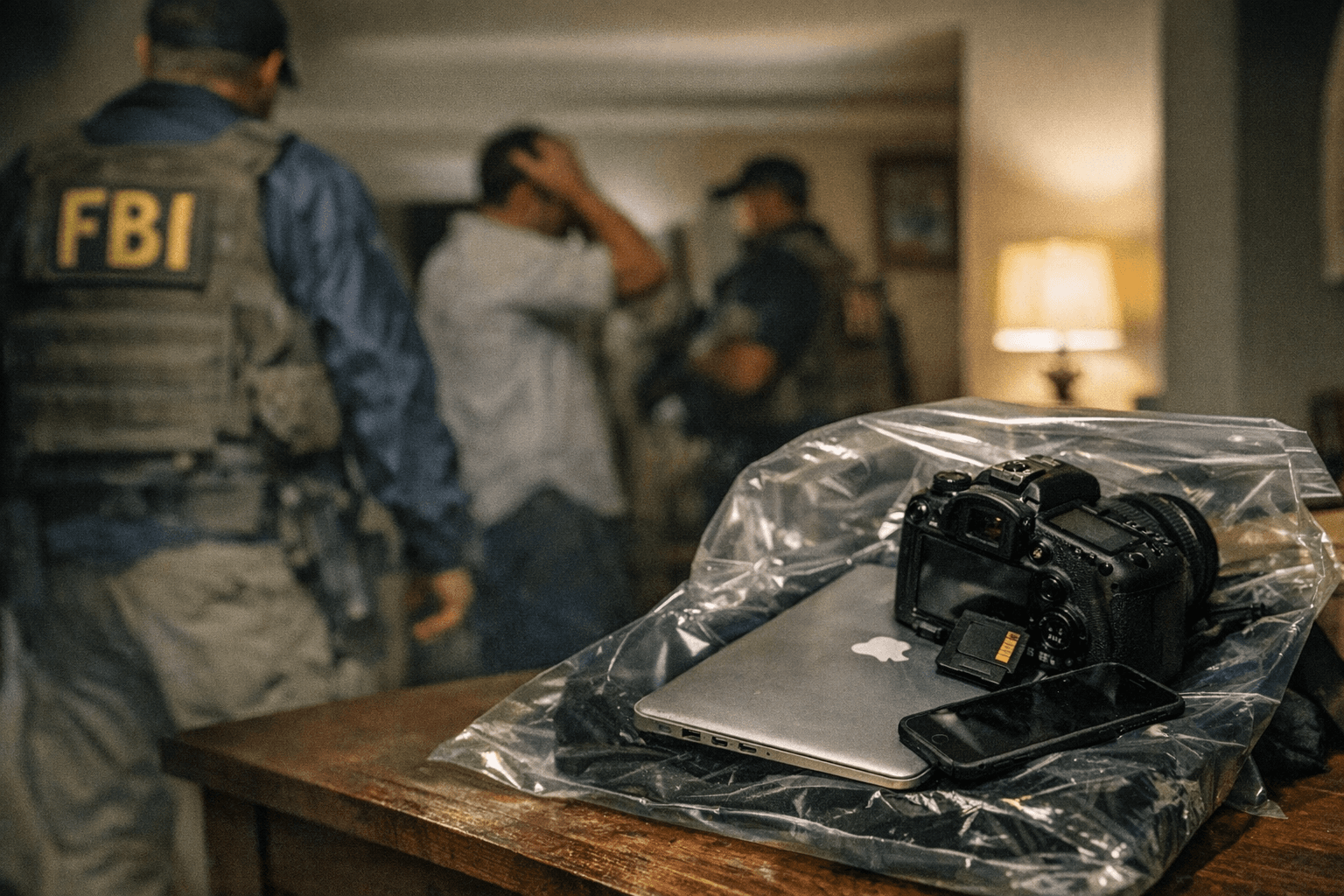
Judge Boasberg sharply rebuked the Justice Department on Friday for not telling the court about the Privacy Protection Act when seeking a search warrant for the home of a Washington Post reporter, and ordered the government to answer follow-up questions and face another hearing on March 4. The judge said he would issue a written order after the hearing and gave the government a deadline to explain what it can disclose in court, including the possibility of relying on classified authorities if it refuses to answer.
The court’s anger centered on prosecutors’ omission of the Privacy Protection Act, a federal law that severely restricts searches of journalists’ homes and workspaces. The judge, visibly frustrated, asked government lawyer Christian Dibblee, “Did you not do it because you didn’t know, or because you decided not to tell me? How could you think it doesn’t apply?” The exchange followed the judge’s initial decision to decline to sign the warrant until the omission was addressed.
Boasberg also directed another government lawyer, Kambli, to respond to questions about “the flights” by noon Tuesday and to provide an official explanation for why certain information could not be disclosed at Monday’s hearing and what forum, if any, could accommodate such disclosure. “If the government takes the position that it will not provide that information to the Court under any circumstances, it must support such position, including with classified authorities if necessary,” the judge said in ordering the response. Boasberg added pointedly that he would follow the written order because “apparently my oral orders don’t appear to carry much weight.”
The dispute has immediate consequences for press freedom and the reporter affected: advocacy groups pressed the court to return seized devices and to ensure that news-gathering material is protected. Gabe Rottman of the Reporters Committee for Freedom of the Press said the omission and the judge’s response were significant and added, “Given what the court heard today, we hope that it will promptly return the seized devices and ensure that news gathering material is appropriately protected.” The publicly available reports do not identify the reporter or provide a complete inventory of devices seized.
The Boasberg episode is unfolding amid a string of recent judicial rebukes of Justice Department conduct. A federal judge in another matter wrote, “D.O.J. has abandoned good-faith investigation in favor of policy enforcement through prosecutorial coercion,” when rejecting efforts to seal proceedings tied to subpoenas seeking medical records of gender-related care for minors. The Justice Department’s move to subpoena hospitals and providers prompted the judge to add, “When a federal agency issues a subpoena not to investigate legal violations but to intimidate and coerce providers into abandoning lawful medical care, it exceeds its legitimate authority and abuses the judicial process.” The department defended its actions in a public statement saying it will use “every tool possible to protect innocent children,” language used by a DOJ spokeswoman in that case.
Legal analysts and watchdog groups have pointed to broader patterns. The Brennan Center highlighted instances where judges have pushed back on prosecutors, quoting a magistrate judge who wrote, “Blind deference to the government? That is no longer a thing. Trust that had been earned over generations has been lost in weeks.” The center and others say those clashes underscore questions about internal DOJ oversight, courtroom candor and the protection of civil liberties.
Boasberg’s written order and the government’s responses, including any invocation of classified authority or privilege, will shape whether the seized materials are returned and how courts will police disclosures in investigations involving the press. The March 4 hearing will be the next public checkpoint in a case that tests statutory protections for journalists and the judiciary’s willingness to enforce them.
This article was produced by Prism’s automated news system from verified source data, official records, and press releases, then run through automated quality and moderation checks before publishing. The system is built and supervised by the people who set the standards it runs under. Read our full AI policy.
Did this article answer your question?