Judge Rejects Suppression Order for Bondi Shooter's Family Despite Harassment Threats
A Sydney judge ruled suppression orders protecting the Bondi shooter's family were futile because his home address had already spread globally online.

A Sydney court refused to shield the family of alleged Bondi mass shooter Naveed Akram from public identification on Thursday, ruling that suppression orders would be unenforceable given his home address and driver's licence details had already spread across Australian and international media.
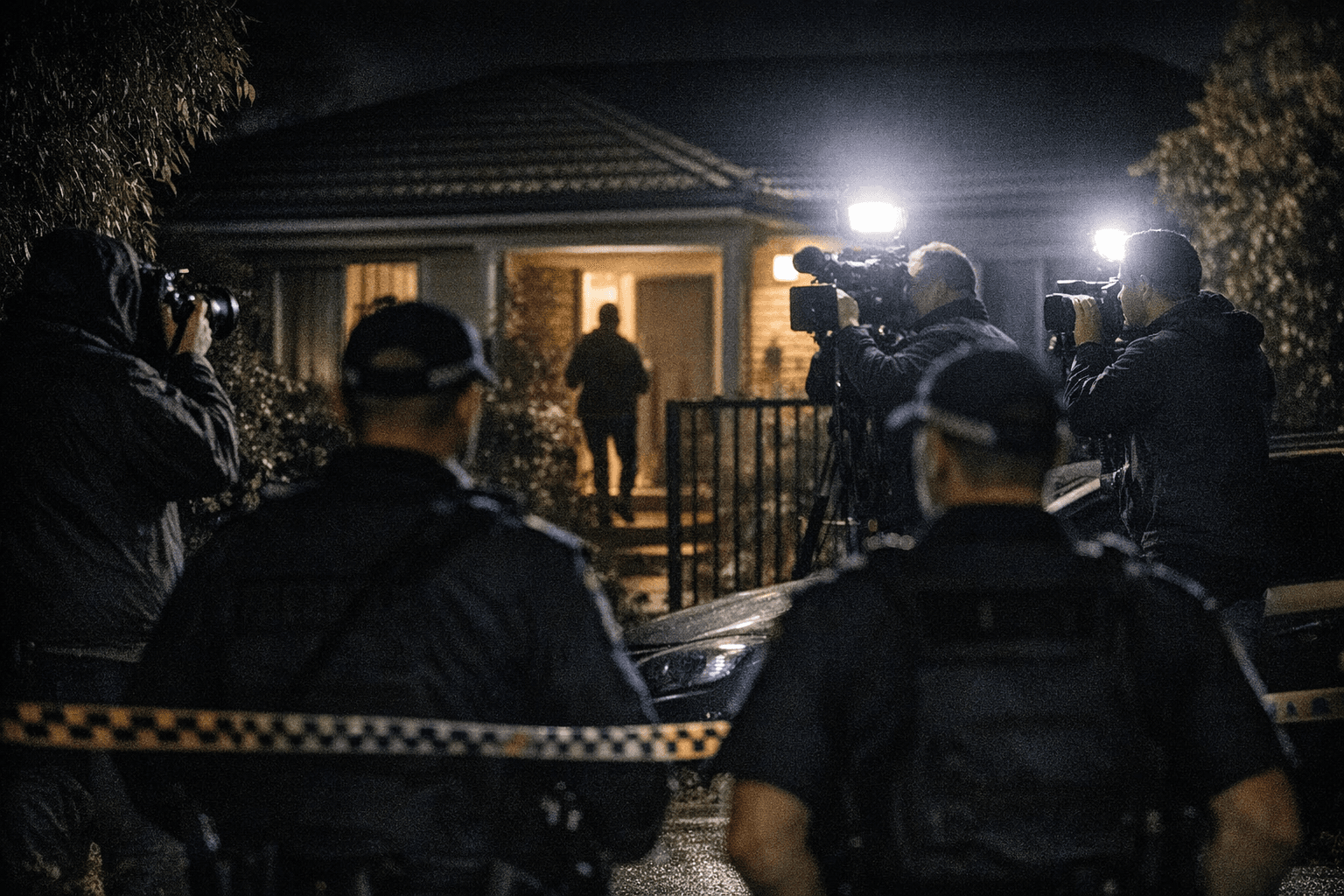
Judge Hugh Donnelly, presiding at the Downing Centre Local Court, acknowledged the harassment campaign directed at Akram's mother, brother and sister had been severe: death threats made in person, by phone and through online chat; strangers arriving at their home late at night; pork thrown in their front yard; and a bottle of suspected urine placed at their property. He accepted that none of them had any involvement in the December 14, 2025 attack that killed 15 people at Bondi Beach's Hanukkah celebrations.
But acknowledgement and legal relief are different things. Donnelly ruled the suppression order sought by Akram's barrister, Richard Wilson SC, was practically futile. Akram's driver's licence, including his home address, had already been widely shared both nationally and internationally, placing the information firmly beyond the reach of any Australian court order. "This case is exceptional by virtue of the sheer magnitude and commentary on social media," Donnelly said. He also noted that a suppression order would apply only within Australia, leaving overseas publishers entirely free to continue publishing the details. Wilson SC said he would not appeal the ruling.
The decision was a significant win for four major Australian media organisations that had opposed the suppression application in court: News Corp, Nine newspapers, the Guardian and the ABC. The judge separately noted that Akram's mother had already given an interview to the Sydney Morning Herald in the immediate aftermath of the attack, a detail that further complicated the family's claim that privacy protections were necessary. No suppression order was sought over the workplaces or school attended by Akram's family members; the court heard there was no evidence of harassment at those locations.
The ruling arrives as Naveed Akram, 24, awaits trial on 59 charges at Goulburn Correctional Centre, a maximum-security prison approximately 200 kilometres from Sydney. He has not yet entered pleas to any of the charges, which include 15 counts of murder, 40 counts of causing harm with intent to murder, and one count of committing a terrorist act. His case returns to court on April 8.
The Bondi attack, Australia's deadliest mass shooting since Port Arthur in 1996, was carried out alongside Naveed's father, Sajid Akram, 50, who was shot dead by police at the scene. Police allege the pair threw three pipe bombs and a tennis ball bomb from a footbridge over the Bondi Pavilion carpark into a crowd gathered for beachside Hanukkah celebrations, killing 15 people, including a 10-year-old girl, and injuring 40 others. Victims ranged in age from 10 to 87. A box-like improvised explosive device was found in the boot of their car alongside two hand-painted ISIS flags. Australian Prime Minister Anthony Albanese characterised the attack as motivated by Islamic State ideology.
The case raises a precedent that courts and media outlets will need to reckon with in future high-profile prosecutions: when publicly circulated information removes the practical utility of suppression, the innocent relatives of accused perpetrators may find themselves with few legal tools to interrupt the information flow.
This article was produced by Prism’s automated news system from verified source data, official records, and press releases, then run through automated quality and moderation checks before publishing. The system is built and supervised by the people who set the standards it runs under. Read our full AI policy.
Did this article answer your question?