Judge Rules Pentagon Violating Press Access Order, Warns of Autocracy
A federal judge found the Pentagon openly defying a court-ordered press restoration, warning that Hegseth's attempt to control military news is "the mark of an autocracy, not a democracy."
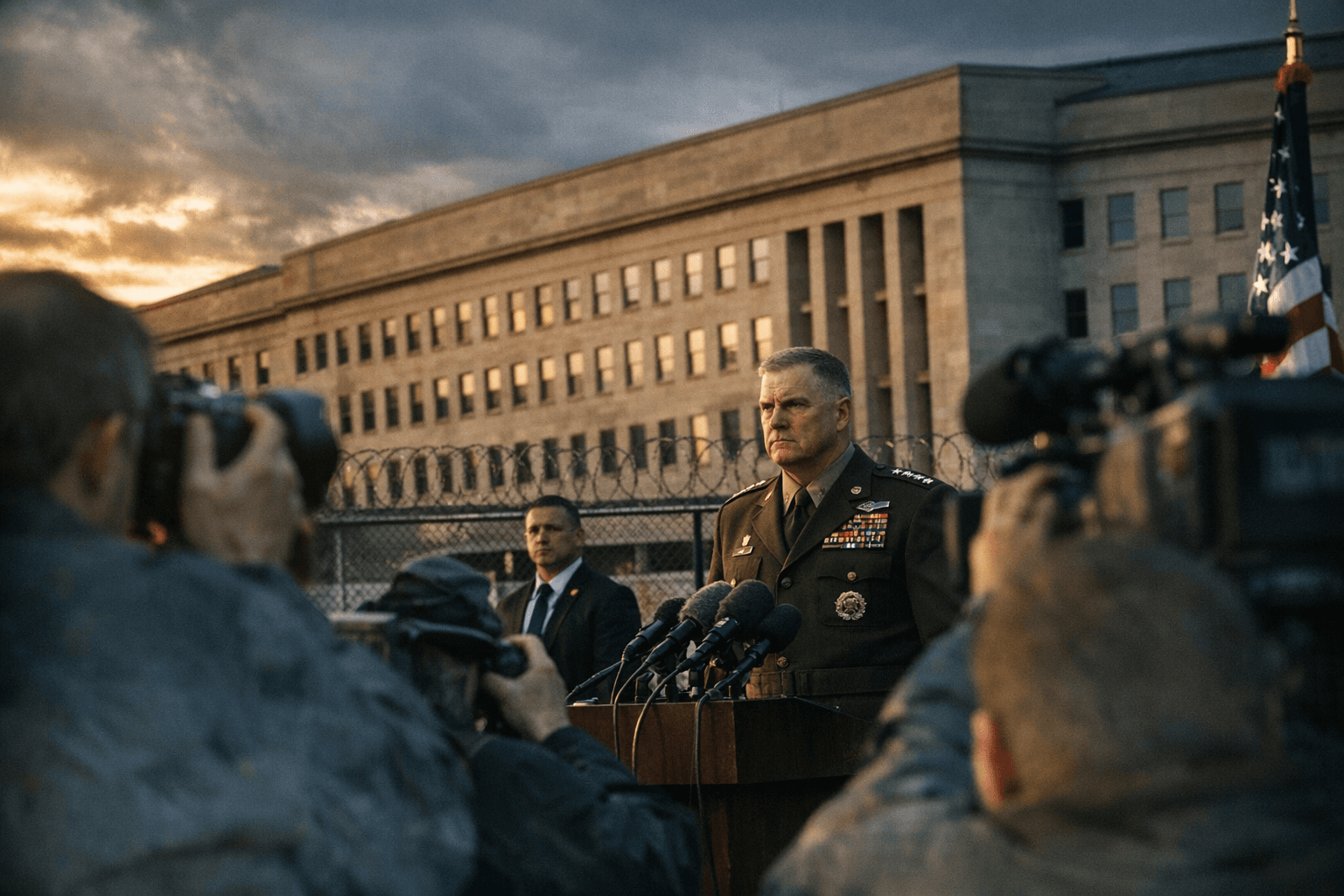
Senior U.S. District Judge Paul L. Friedman ruled Thursday that the Pentagon is openly defying his court order to restore press access to the Defense Department's headquarters, issuing a second ruling in three weeks that found the Trump administration had replaced one unconstitutional restriction with another and warned that the effort to control military news amounts to "the mark of an autocracy, not a democracy."
The ruling turned on what Friedman had ordered on March 20, 2026, and what the Pentagon did instead. That earlier order was specific: reinstate Pentagon Facility Alternate Credentials, known as PFACs, for seven New York Times national security reporters and stop enforcing a sweeping credentialing policy that violated the First and Fifth Amendments. The judge had stressed that the ruling applied to "all regulated parties," not Times staff alone.
Within three days of that order, Pentagon spokesman Sean Parnell announced the closure of the Correspondents' Corridor, a journalist workspace inside the building that reporters had used for decades. Under the Pentagon's revised "interim" policy, every journalist would require an escort by authorized department personnel at all times, including bathroom visits, with press workspaces relocated to an annex facility outside the building entirely. The Pentagon justified the move by saying "unescorted access to the Pentagon cannot be responsibly maintained without the ability to screen credential holders for security risks."
Friedman rejected that rationale. He wrote that he "has no choice but to conclude that the Department's abrupt closure of the Correspondents' Corridor and its ban on credentialed journalists traveling unescorted through the Pentagon are not security measures or efforts to make good on prior commitments but rather transparent attempts to negate the impact of this Court's Order." He also found fault with the Pentagon's revision of an earlier restriction barring journalists from soliciting information, classified or unclassified, that was not approved for release, and declared that access under the new framework was "not even close to as meaningful as the broad access" reporters previously had.
The judge was unsparing about the administration's intent. "What this case is really about," Friedman wrote, is "the attempt by the Secretary of Defense to dictate the information received by the American people, to control the message so that the public hears and sees only what the Secretary and the Trump Administration want them to hear and see. The Constitution demands better. The American public demands better, too."
The origins of the case stretch to October 2025, when reporters from at least 30 publications walked out of the Pentagon rather than sign a pledge requiring them to report only pre-approved information. Practically every major outlet refused, including Fox News, the former employer of Defense Secretary Pete Hegseth. The mass confiscation of press badges followed. By February 2025, the Defense Department had already replaced the press offices of several mainstream organizations inside the building with mostly conservative outlets.
The New York Times filed suit on December 4, 2025, naming Hegseth and Parnell as defendants and alleging First and Fifth Amendment violations. Friedman, a Clinton appointee to the U.S. District Court for the District of Columbia, ruled for the Times on March 20, citing "undisputed evidence" that the original policy was designed to weed out "disfavored journalists" and replace them with reporters who were "on board and willing to serve" the government. The Reporters Committee for Freedom of the Press filed a friend-of-the-court brief supporting the Times.
Government lawyers maintained after Thursday's ruling that the Pentagon's revised policy fully complies with the judge's directives. Parnell announced the administration would appeal the March 20 decision. "The curtailment of First Amendment rights is dangerous at any time," Friedman wrote, a warning now sitting over a Pentagon that has twice been found in defiance of a federal court and has yet to comply.
This article was produced by Prism’s automated news system from verified source data, official records, and press releases, then run through automated quality and moderation checks before publishing. The system is built and supervised by the people who set the standards it runs under. Read our full AI policy.
Did this article answer your question?

