Judge skeptical as U.S. blocks former Venezuelan leader’s funds
A federal judge questioned whether sanctions should keep Venezuela from paying Nicolás Maduro’s defense, even as the U.S. keeps prosecuting him in New York.
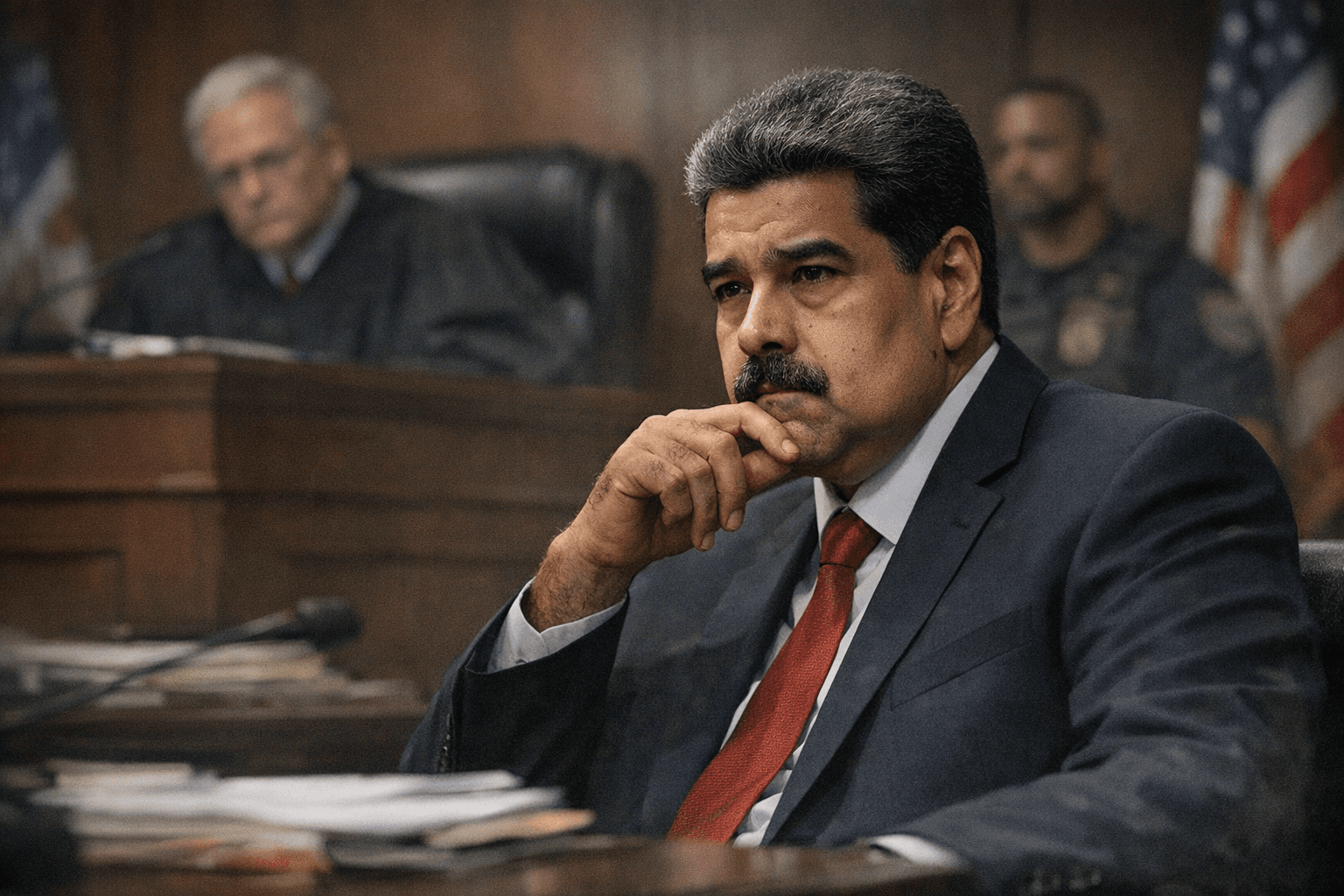
Judge Alvin Hellerstein pressed prosecutors over a contradiction at the heart of Nicolás Maduro’s New York case: the United States was prosecuting the former Venezuelan president, yet also blocking Venezuela from paying the lawyers defending him. Hellerstein declined to throw out the indictment, but he made clear he was unconvinced that sanctions should cut off a defendant’s access to counsel in a case that could put Maduro and his wife, Cilia Flores, in prison for life.
Maduro and Flores appeared in Manhattan federal court in beige jail uniforms after being captured in a U.S. military raid in Caracas and brought to New York in January. Both have pleaded not guilty to narcoterrorism conspiracy and related drug charges, and both remain jailed in Brooklyn without bail while Hellerstein has not yet set a trial date. The hearing was their first major court appearance since the brief January arraignment.
The funding fight began when Maduro’s lawyer, Barry Pollack, said the Treasury Department had first approved a license on Jan. 9 allowing Venezuela to pay the legal bills required under Venezuelan law, then revoked it less than three hours later without explanation. Prosecutors responded that the original approval had been an administrative error and argued that the sanctions served legitimate national security and foreign policy interests. They also said Maduro and Flores could use their own money, while noting that Washington has not recognized Maduro as Venezuela’s legitimate leader for years.
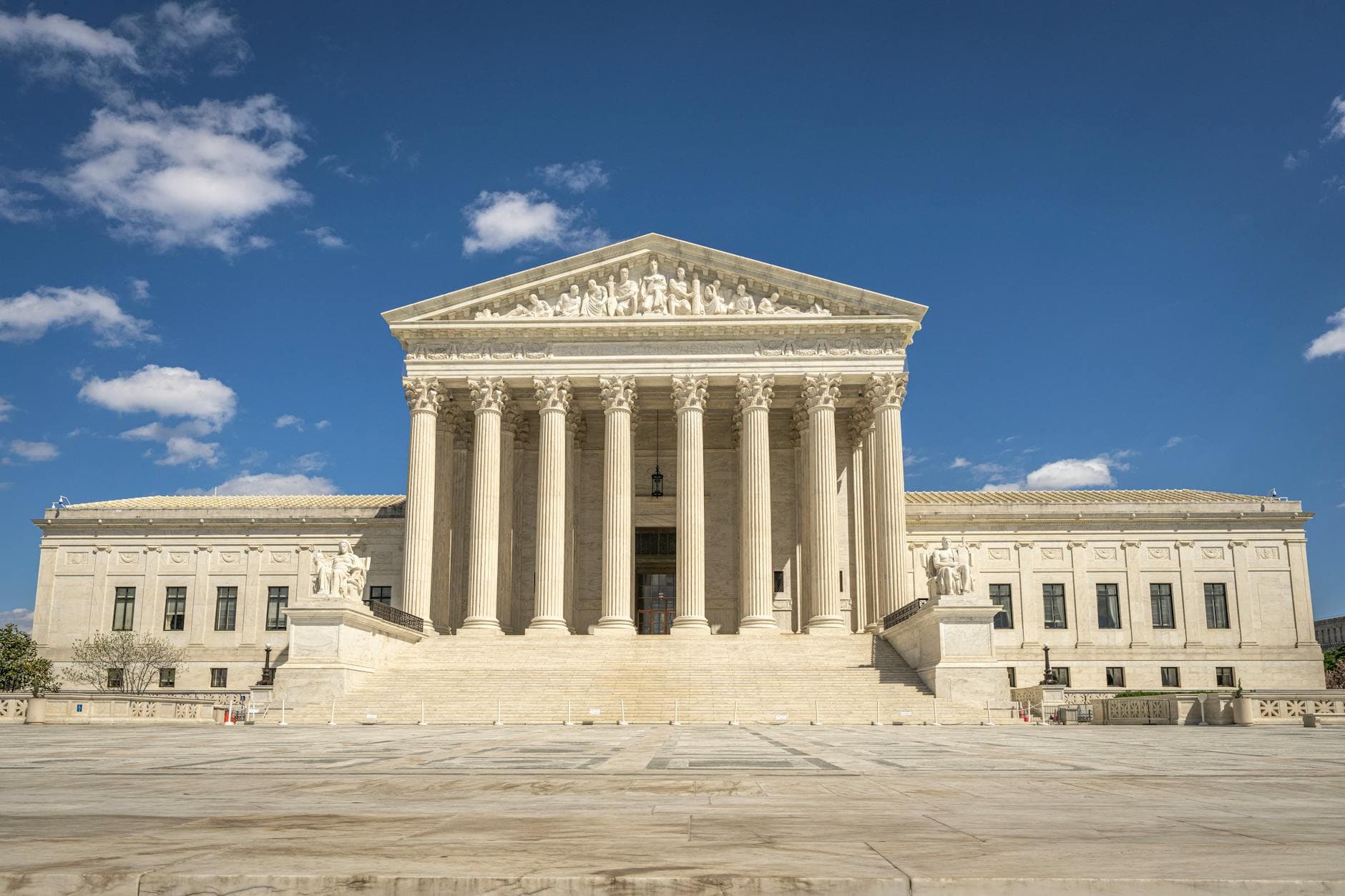
Hellerstein sounded skeptical of that rationale, especially as Washington and Caracas had already moved toward a limited thaw. Since the capture, the two countries had restored diplomatic relations, the U.S. had eased sanctions on Venezuela’s oil sector, and Washington had sent a chargé d’affaires to Caracas. “The defendant is here, Flores is here. They present no further national security threat,” Hellerstein said, adding that “the current paramount goal and need and constitutional right is the right to defense.” The hearing left the case alive, but it underscored a basic due process question: whether the government can prosecute a foreign leader while limiting the very funds needed to defend him.
This article was produced by Prism’s automated news system from verified source data, official records, and press releases, then run through automated quality and moderation checks before publishing. The system is built and supervised by the people who set the standards it runs under. Read our full AI policy.
Did this article answer your question?


