Judge voids Kari Lake’s USAGM authority, throws VOA layoffs into doubt
A federal judge found Kari Lake unlawfully served as acting USAGM chief and voided many of her decisions, raising immediate questions about Voice of America layoffs and leadership.
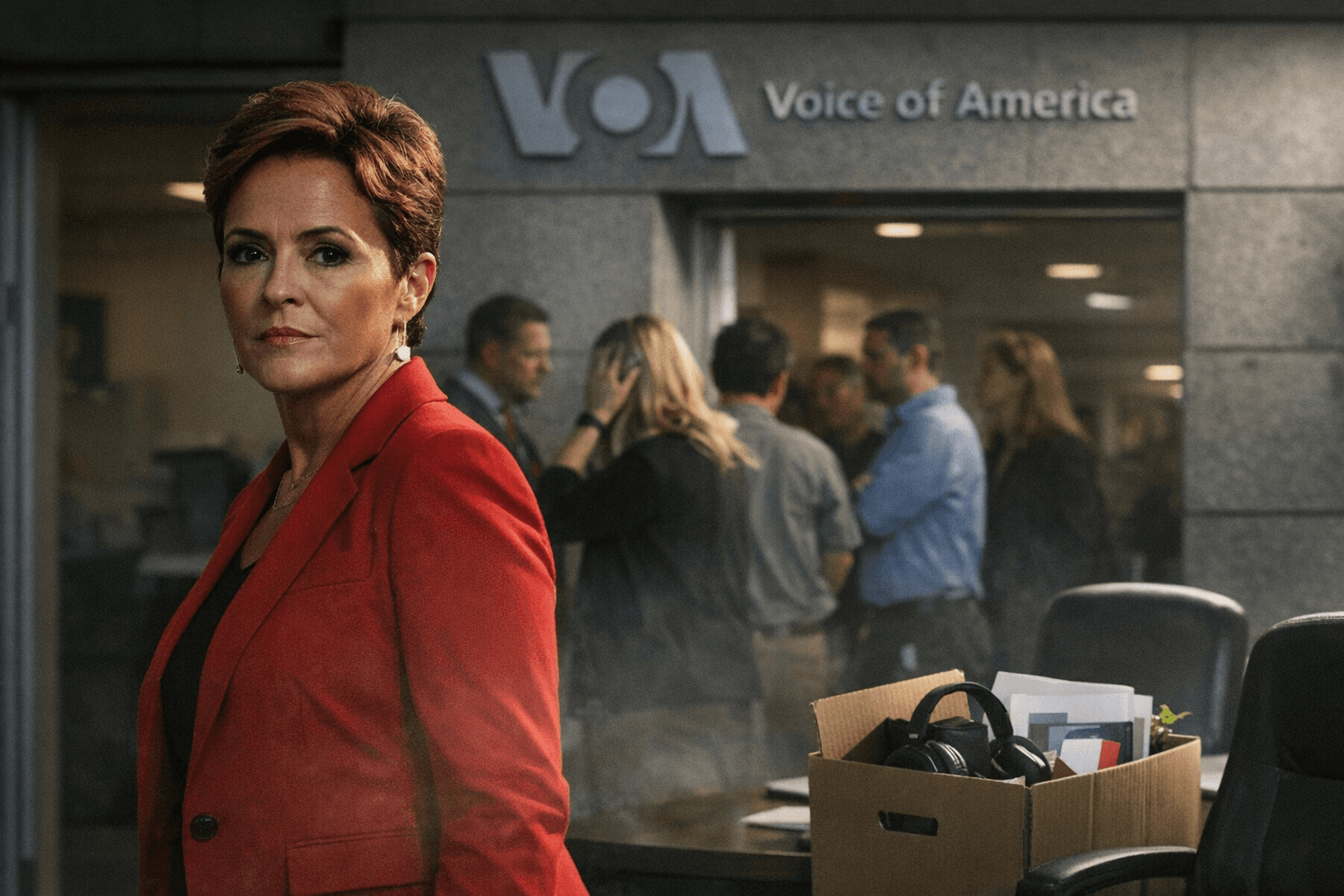
U.S. District Judge Royce C. Lamberth ruled March 7 that Kari Lake was not legally empowered to serve as the acting chief executive of the U.S. Agency for Global Media and declared many of the actions she took while asserting that authority void. The decision targets a leadership arrangement that put Lake, a former state official and conservative commentator, in charge of the agency that oversees Voice of America beginning July 31, 2025.
The ruling, issued in Washington, D.C., was filed in a lawsuit brought by several USAGM employees, including Voice of America White House bureau chief Patsy Widakuswara. Plaintiffs argued Lake had exercised the powers of the agency’s chief executive without the Senate confirmation required for the post. Court documents show Lake returned to the role of Deputy CEO on Nov. 19, two days after the filing of the plaintiffs’ motion.
Judge Lamberth wrote that officials improperly gave authority to Lake, effectively making her the agency’s chief executive, in all but name. The opinion directs the federal government to identify who is legally serving as the agency’s acting leader and to provide a succession plan. That directive puts USAGM on an immediate administrative timetable and adds legal and operational uncertainty to an agency already shaken by staffing changes.
The ruling explicitly voids many actions Lake took while exercising the contested authority. Social-media reposts of national coverage have characterized the decision more broadly, with a Threads post reposting a national outlet’s headline saying the court voided all her actions and citing layoffs of more than 500 VOA workers. Local reports and court filings consistently describe the relief as voiding many actions and note mass layoffs and other personnel moves as central to plaintiffs’ harm claims. The differing characterizations underscore that the written opinion, which has not been published in full in the materials available to the plaintiffs, will be necessary to determine precisely which orders and personnel decisions are legally invalidated.
The practical stakes are immediate: USAGM funds and oversees international news operations that reach millions, and Voice of America is a flagship broadcaster. Staff and journalists had contended that recent leadership decisions threatened the organization’s operations and editorial independence. If the ruling requires reversal of specific personnel actions, the agency will confront complex questions about reinstatement, back pay, and editorial governance.
Kari Lake responded on social media after the decision: “The American people gave President Trump a mandate to cut bloated bureaucracy, eliminate waste, and restore accountability to government. An activist judge is trying to stand in the way of those…” The post was dated March 8, 2026. The ruling, however, does not hinge on policy choices but on the statutory process for appointing an agency head.
The court order shifts the dispute from policy debate into the mechanics of federal appointments and agency governance. By commanding clarity on who legally leads USAGM and a succession plan, the decision forces the administration and Congress to confront the legal pathways for staffing a media oversight agency whose independence is central to U.S. soft power. For VOA journalists and displaced employees, the ruling represents a possible route to undoing personnel decisions they say undermined the newsroom; for the agency, it creates immediate pressure to stabilize leadership and restore legal authority for future decisions.
Know something we missed? Have a correction or additional information?
Submit a Tip