Julianne Moore says true gender equality remains far from reality
Julianne Moore used a Cannes honor to argue that women still face a real equality gap, even as box office visibility rises and power behind the camera lags.

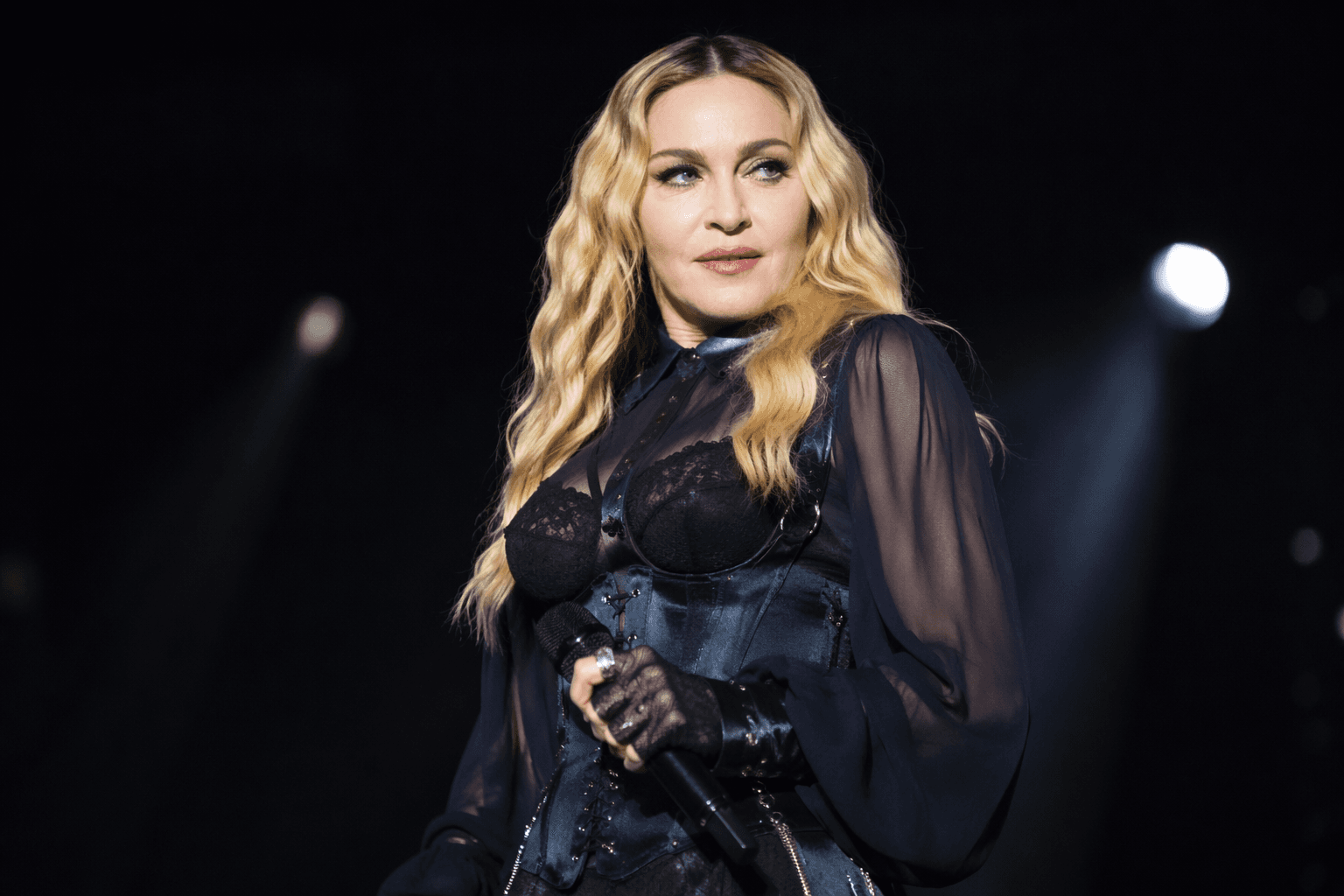
Julianne Moore used a Women in Motion award ceremony at the 79th Festival de Cannes on May 17 to argue that true gender equality remained far from reality, even in industries that like to describe themselves as progressive. Accepting the honor away from the festival’s red carpet bustle, Moore framed the moment as more than a tribute to her career. Her message was that progress is real but incomplete, and that change still depends on people speaking up, making choices, using privilege and hiring more women. In Cannes, where glamour often dominates the conversation, Moore turned a ceremonial prize into a blunt public reminder that representation and power are not the same thing.
The award itself carried a decade of political intent. Kering launched Women in Motion in 2015 with the Festival de Cannes to spotlight women in cinema, and by 2026 the program was marking 10 years of commitment to gender equality in arts and culture. Kering has also extended the effort beyond film into other artistic fields, including photography. The 2026 ceremony placed Moore in a line of honorees that has included Nicole Kidman, Donna Langley, Jane Fonda, Geena Davis, Susan Sarandon, Isabelle Huppert, Patty Jenkins, Gong Li, Salma Hayek Pinault, Viola Davis and Michelle Yeoh. Moore’s ties to Cannes run deep as well: the festival’s own record lists Blindness in 2008, Maps to the Stars in 2014, Wonderstruck in 2017 and May December in 2023.

The data behind the celebration helps explain why Moore’s warning landed so sharply. Kering’s 10-year Women in Motion study found that the share of lead characters played by women in the top 100 U.S. box-office films rose from 32% in 2015 to 54% in 2024. That is a meaningful shift on screen, but it does not translate automatically into power behind the camera. USC Annenberg’s 2025 popular-films report found that only 21.7% of directors, writers and producers across the top 100 films in 2024 were women. The gap shows how Hollywood can showcase female visibility while still keeping women underrepresented in the jobs that shape stories, budgets and careers.
The wider policy backdrop is just as unfinished. UN Women continues to frame gender equality as an unresolved global goal, and Cannes offered a vivid example of that disconnect: a festival that celebrates modernity while still reflecting old patterns of access and authority. Moore’s remarks mattered because they were made at one of the industry’s most visible gatherings, where the distance between equality rhetoric and hiring reality was impossible to ignore.
This article was produced by Prism’s automated news system from verified source data, official records, and press releases, then run through automated quality and moderation checks before publishing. The system is built and supervised by the people who set the standards it runs under. Read our full AI policy.
Did this article answer your question?