June Bootids peak this week, but no 2026 outburst expected
The June Bootids may peak around June 27, but astronomers expect no 2026 outburst and only a moonlit, low-rate display.
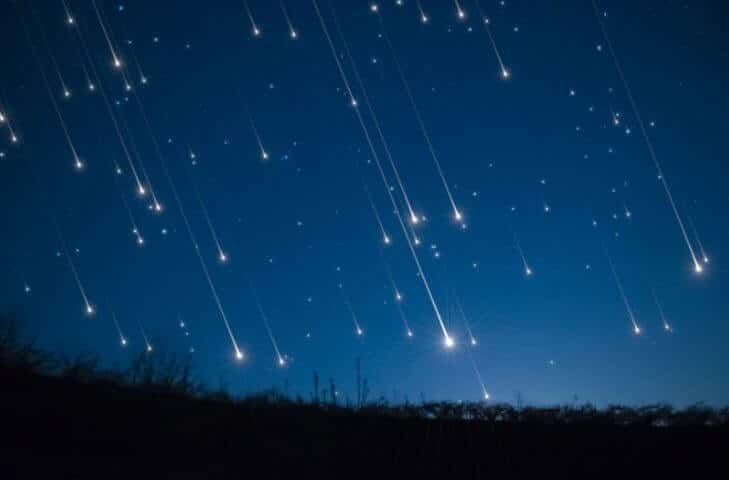
The June Bootids are a lesson in how little certainty meteor science can offer. The shower will be active from June 22 to July 2, with peak activity around June 27, but the most likely outcome is modest: in most years, the stream produces only one or two meteors an hour, and no major 2026 outburst is expected.
That unpredictability is part of the story. The June Bootids are tied to Comet 7P/Pons-Winnecke, a short-period comet that returns about every 6.3 years, yet the debris stream it leaves behind does not behave like a clock. Astronomers have seen major displays in 1916, 1921, 1927 and 1998, but those surges have been rare and hard to forecast. In 1998, observers recorded 1,217 meteors during the outburst, with broad activity lasting more than 12 hours, reliable average rates around 81 per hour and peak zenithal hourly rate estimates near 200.
That is why the International Meteor Organization says additional peaks and enhanced rates can still be scientifically interesting even when models predict no major event. The point is not to promise spectacle, but to watch for deviations from the forecast. The IAU Meteor Data Center listed 110 established meteor showers as of June 13, 2025, underscoring how unusual it is for one stream to remain so difficult to pin down from year to year.
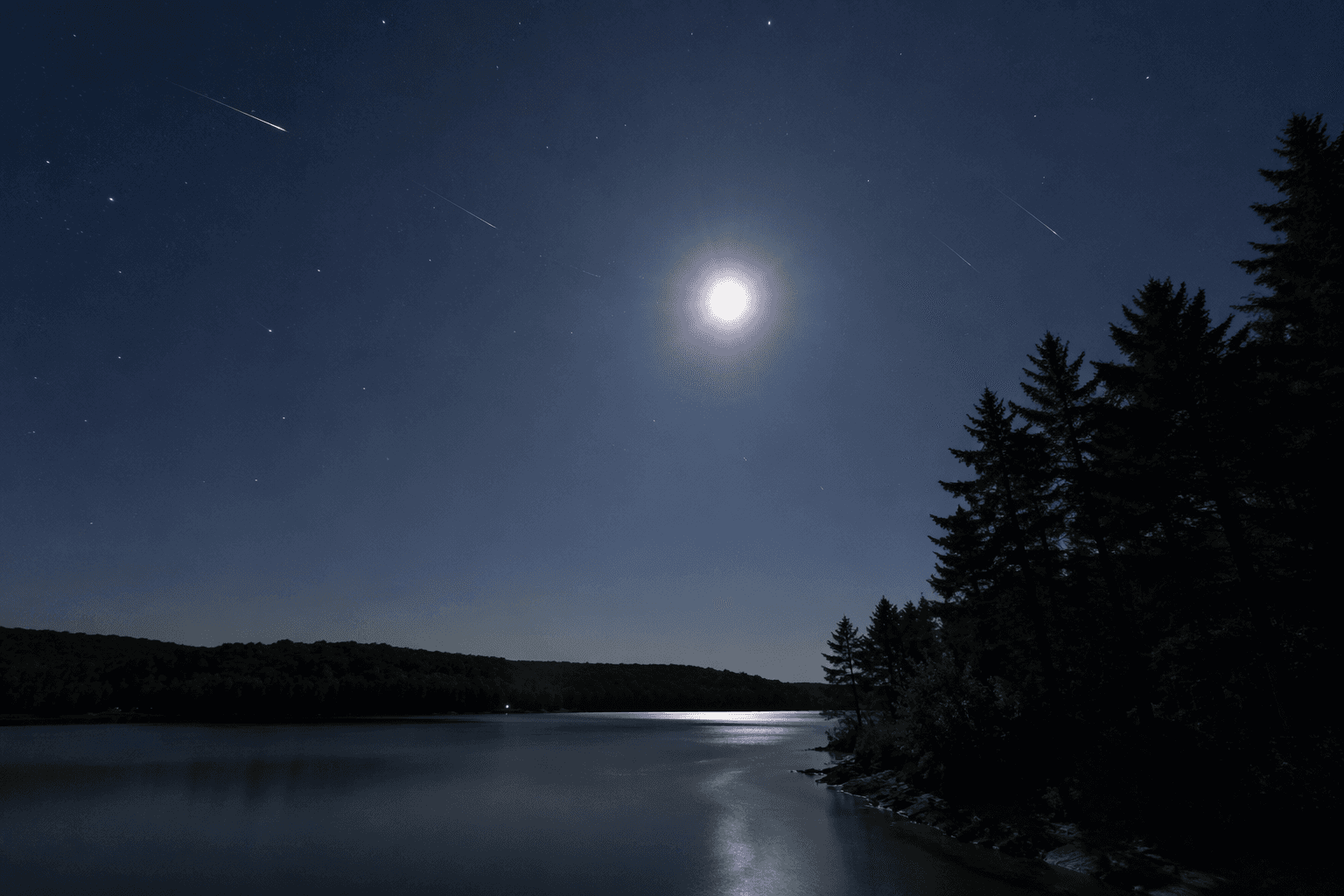
The viewing outlook in 2026 is further complicated by the Moon. One observing guide says the Moon will be only two days from full at the peak, which would wash out fainter meteors. Another says the shower peaks under a first-quarter Moon, a reminder that visibility forecasts can differ depending on the observing guide and the viewer’s location. Either way, the Bootids are not being sold as a guaranteed show.
The best odds still come near the date of peak activity, especially before dawn and after dusk when the radiant is higher in the sky. The radiant sits in Boötes and favors the Northern Hemisphere. In Virginia Beach, one guide says the radiant stays above the horizon all night and culminates around 22:00 EDT, making early evening and pre-dawn the likeliest windows for better viewing, even as moonlight interferes throughout the night.
The shower is slow, with meteors entering the atmosphere at about 18 km/s, so any bright streaks should linger longer than the flashier trails of faster showers. For the June Bootids, patience matters more than expectation: this is a watch-and-wait sky event, shaped as much by uncertainty as by light.
This article was produced by Prism’s automated news system from verified source data, official records, and press releases, then run through automated quality and moderation checks before publishing. The system is built and supervised by the people who set the standards it runs under. Read our full AI policy.
Did this article answer your question?