Justice Department ends criminal prosecutions over diesel defeat devices
Federal prosecutors dropped criminal Clean Air Act cases over diesel tampering, a win for truck modifiers that leaves nearby communities breathing more soot and smog.
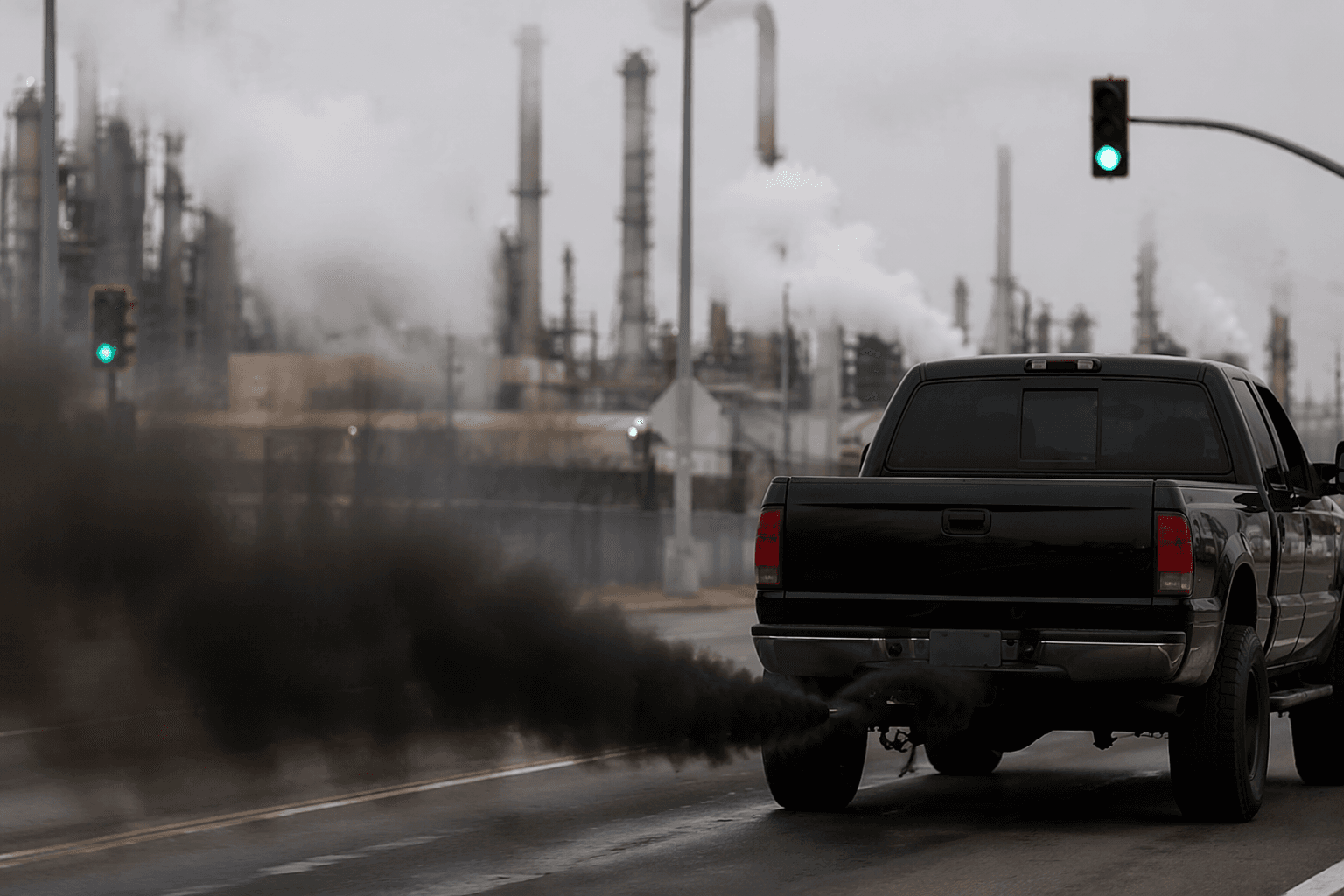
The Justice Department has stopped pursuing criminal Clean Air Act charges against people who install diesel defeat devices, a policy shift that gives truck modifiers and parts sellers more room to operate while leaving cleaner-air enforcement less threatening. Civil cases can still proceed with the Environmental Protection Agency, but the move marks a sharp break from years of federal crackdowns on so-called delete shops and tampering with onboard diagnostic devices in motor vehicles.
The Environment and Natural Resources Division announced the change on Jan. 21, 2026, saying federal prosecutors would no longer seek criminal charges for allegations of tampering with onboard diagnostic devices in motor vehicles. EPA estimates show why the issue has drawn so much attention: known sales of defeat devices for certain diesel trucks sold between 2009 and 2020 would create more than 570,000 tons of excess nitrogen oxides and 5,000 tons of excess particulate matter over the trucks’ lifetimes. The agency says a full delete on a modern heavy-duty diesel pickup can make it emit as much harmful pollution as 300 trucks with functioning emissions controls.

That is a major departure from the federal response after Volkswagen AG’s diesel scandal, when the United States pursued both criminal and civil penalties. Volkswagen’s U.S. case covered roughly 590,000 vehicles and ended in a 2017 guilty plea to three criminal felony counts and a $2.8 billion criminal penalty, along with separate civil resolutions. For years, that precedent helped frame defeat devices as a federal enforcement priority rather than a niche compliance issue.
Recent cases show how broad that enforcement net had become. EPA and DOJ reached a civil settlement with Meyer Distributing, Inc. on Jan. 10, 2025, and another with Turn 14 Distribution, Inc. on Jan. 17, 2025. Rudy’s Performance Parts, Inc. was sentenced on Sept. 10, 2024 to a $2.4 million fine and three years of probation, while Idaho Diesel Parts companies and an owner pleaded guilty to tampering-related charges and faced a $1 million criminal fine; the owner also faced up to two years in federal prison. Enforcement actions also reached White’s Diesel Performance, Gorilla Performance, Pierce and GDP Tuning across places including Arizona, Idaho, California, Louisiana, Nashville, Tennessee and Washington, D.C.
The new policy is likely to benefit truck tuners, aftermarket sellers and some diesel owners seeking more power, fewer maintenance headaches and lower operating costs. But it shifts the pollution burden onto communities that breathe the extra nitrogen oxides and particulate matter, while leaving regulators with civil fines, consent decrees and injunctions instead of the threat of jail. For an emissions program built on deterrence, that is a meaningful retreat.
This article was produced by Prism’s automated news system from verified source data, official records, and press releases, then run through automated quality and moderation checks before publishing. The system is built and supervised by the people who set the standards it runs under. Read our full AI policy.
Did this article answer your question?