Justice Department sets up $1.776 billion fund in Trump settlement
The Justice Department created a $1.776 billion anti-weaponization fund to settle Trump’s IRS case, with claims running through mid-December 2028.

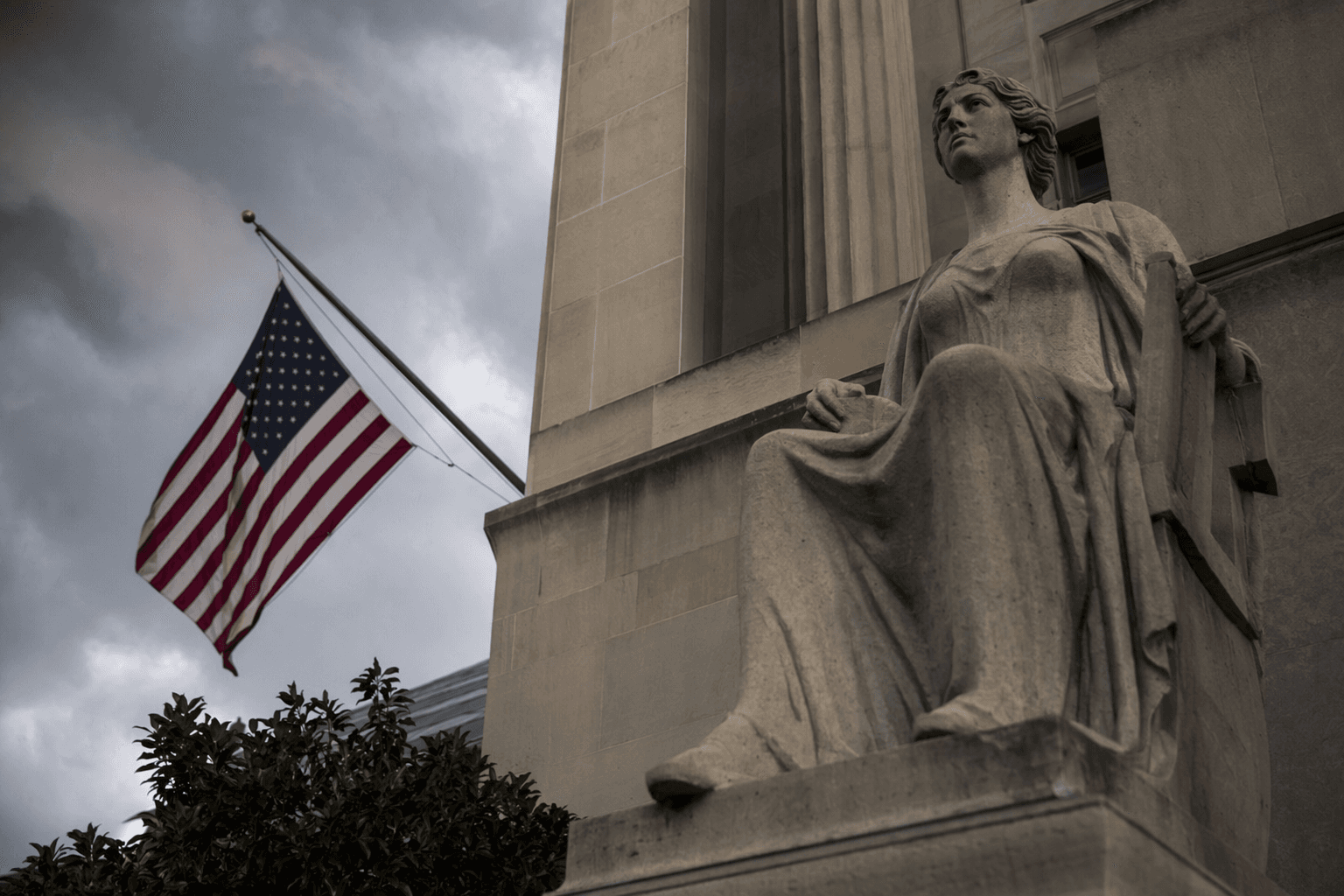
The Justice Department has set up a $1.776 billion Anti-Weaponization Fund as part of a settlement with Donald Trump, putting a five-person commission in charge of claims processing and extending the payout window through mid-December 2028, near the end of Trump’s term. The structure gives the fund a clear administrative path, but it also raises immediate questions about who will judge claims tied to Trump’s long-running grievances with federal investigators.
The settlement ends Trump’s $10 billion lawsuit against the Internal Revenue Service over leaked tax returns and also requires him to drop damages claims connected to federal investigations into his 2016 campaign’s Russia ties and the 2022 FBI search of Mar-a-Lago. The Justice Department said Trump and his family would receive a formal apology, but no monetary payment, a distinction that leaves the fund itself as the main financial consequence of the deal.
Trump told reporters at the White House that he knew “very little about it” and was not involved in creating the fund. Even so, the arrangement immediately drew fire from Democrats and ethics experts, who denounced it as a taxpayer-funded payout to people Trump has described as victims of “lawfare.” The political backlash underscores how the settlement moves beyond a private legal dispute and into a broader fight over accountability, institutional power and the use of federal resources.
The fund’s design matters as much as its size. A five-person commission will oversee it, and claims are slated to run for more than two years, giving the process a long tail that could outlast much of the current political moment. That timeline also means the settlement’s effects may unfold gradually, with the government’s handling of claims likely to remain a live issue well into 2028.
The deal arrives at a time when government responses to violence, investigations and political conflict are under unusually sharp scrutiny. Whether the subject is a settlement over federal probes or the aftermath of attacks that force institutions to explain themselves, the common thread is control: who has it, how it is exercised and who is asked to pay for the consequences.
Know something we missed? Have a correction or additional information?
Submit a Tip