Justice Department subpoenas witnesses in Brennan grand jury probe
Witness subpoenas put the Brennan inquiry into grand jury territory, intensifying a rare criminal probe of a former CIA director and a long fight over Russia.
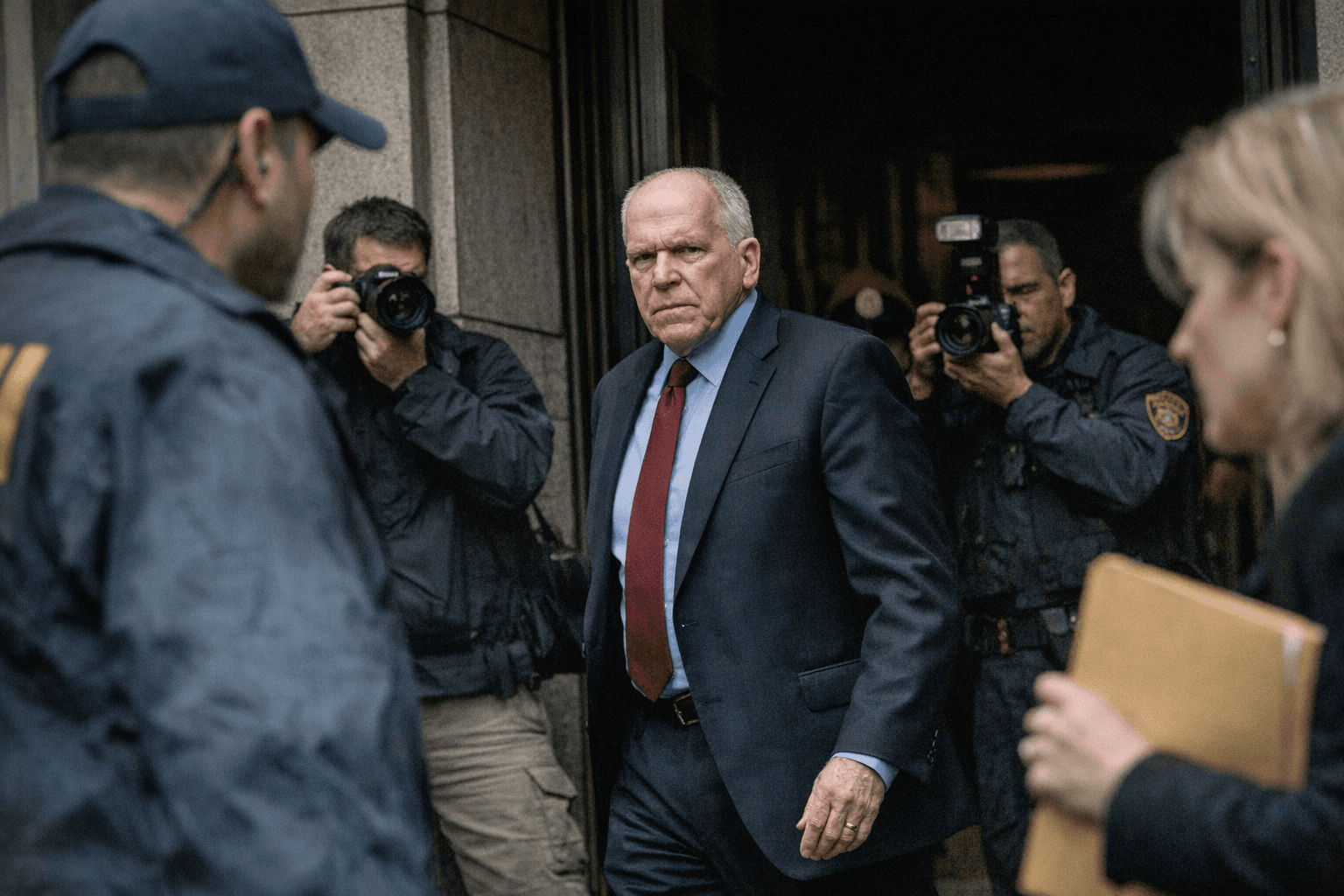
Federal prosecutors have begun compelling testimony in the Brennan inquiry, pushing the case into federal grand jury territory in Washington and raising the stakes around one of the most politically charged intelligence-era disputes in recent years. The Justice Department has subpoenaed several witnesses as part of its investigation into former CIA Director John Brennan, and three people familiar with the matter said the subpoenas were issued in recent days.
That is a significant procedural step. Grand jury subpoenas are not a final judgment on guilt, but they do mark a higher evidentiary stage: prosecutors are no longer simply reviewing allegations or collecting background material. They are using the grand jury to test witness accounts, lock in testimony, and see whether the facts can support charges. In a case involving a former CIA director, that is unusual scrutiny, especially given the long shadow of the Trump-era fight over the Russia investigation.
The inquiry is focused on whether Brennan lied in 2023 congressional testimony about the origins of the 2016 Russia investigation and the 2017 intelligence assessment that concluded Russia interfered in the election to help Donald Trump. Trump revoked Brennan’s security clearance in August 2018, and Brennan has remained a frequent target of Trump’s criticism ever since. The current probe now places that political conflict inside the criminal justice system, where every subpoena and every witness interview carries institutional consequences far beyond Brennan himself.
The investigation has also become more complicated inside the Justice Department. Maria Medetis Long, a career federal prosecutor in Miami who had been helping lead the inquiry, was removed after expressing doubts about whether a prosecution would be viable. That kind of internal skepticism matters because it suggests the department is weighing not just whether there is evidence of false statements, but whether the evidence can survive the legal burden required for an indictment and eventual conviction.
The witness list has already widened beyond Brennan. Reports said the FBI planned to question roughly half a dozen witnesses, and some coverage identified former FBI counterintelligence official Peter Strzok and former FBI attorney Lisa Page as among those subpoenaed or expected to be questioned. The department has also sought records and transcripts from Senate committees tied to Brennan-related testimony. Meanwhile, Joseph diGenova, a former Justice Department lawyer and Trump ally who had supported Trump’s efforts to overturn the 2020 election result, has been sworn in as special counselor to the attorney general and is expected to work on the probe.
The larger context is hard to miss. The 2017 intelligence assessment at issue was later affirmed by the Justice Department, a bipartisan Senate committee and a CIA review. Reopening that fight through a criminal case risks turning a settled intelligence judgment into another front in Washington’s partisan warfare, even as prosecutors try to determine whether the evidence can clear the threshold for charges.
This article was produced by Prism’s automated news system from verified source data, official records, and press releases, then run through automated quality and moderation checks before publishing. The system is built and supervised by the people who set the standards it runs under. Read our full AI policy.
Did this article answer your question?

