Justice Gorsuch Discusses 1776 Ideals, Originalism, and New Children’s Book
Gorsuch said the Supreme Court is “working” even as he tied a new 1776-themed children’s book to the nation’s 250th anniversary and a broader fight over civic trust.

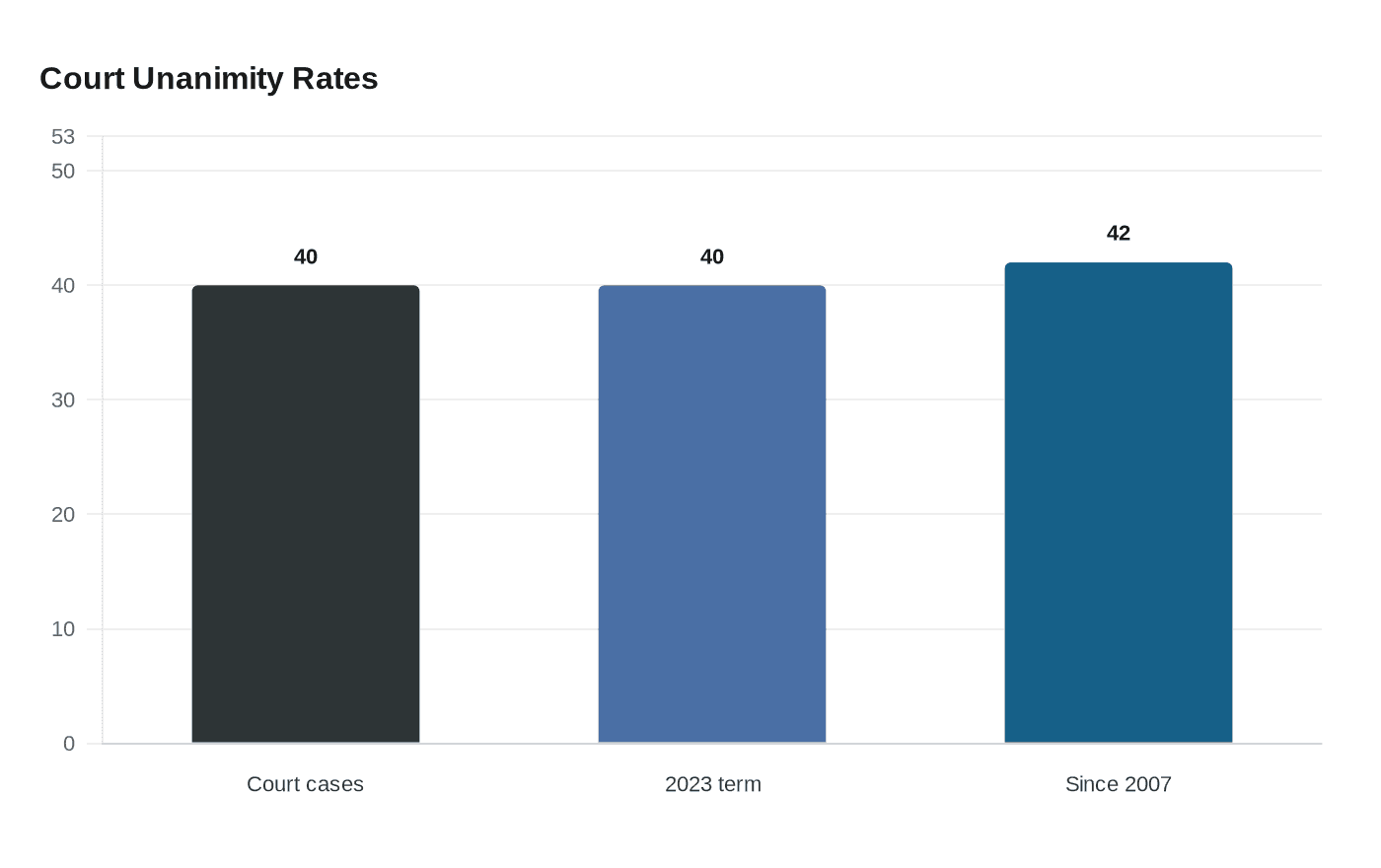
David French used a conversation with Justice Neil Gorsuch to press a larger question that hangs over the Supreme Court: where does real consensus still exist inside a court the public often sees as sharply polarized? Gorsuch said the institution is “working,” and defended that claim by pointing to a system that handles about 50 million lawsuits a year and still resolves roughly 40% of the Court’s cases unanimously.
The exchange, part of The New York Times Opinion podcast “The Opinions,” centered on Heroes of 1776: The Story of the Declaration of Independence, a children’s book Gorsuch wrote with Janie Nitze. French said he interviewed the justice and Nitze as the United States approaches its 250th anniversary, and that judicial ethics prevented any discussion of pending cases, likely future cases or politics. Even with those limits, the interview touched on originalism, Native American jurisprudence and how Gorsuch approaches writing opinions.
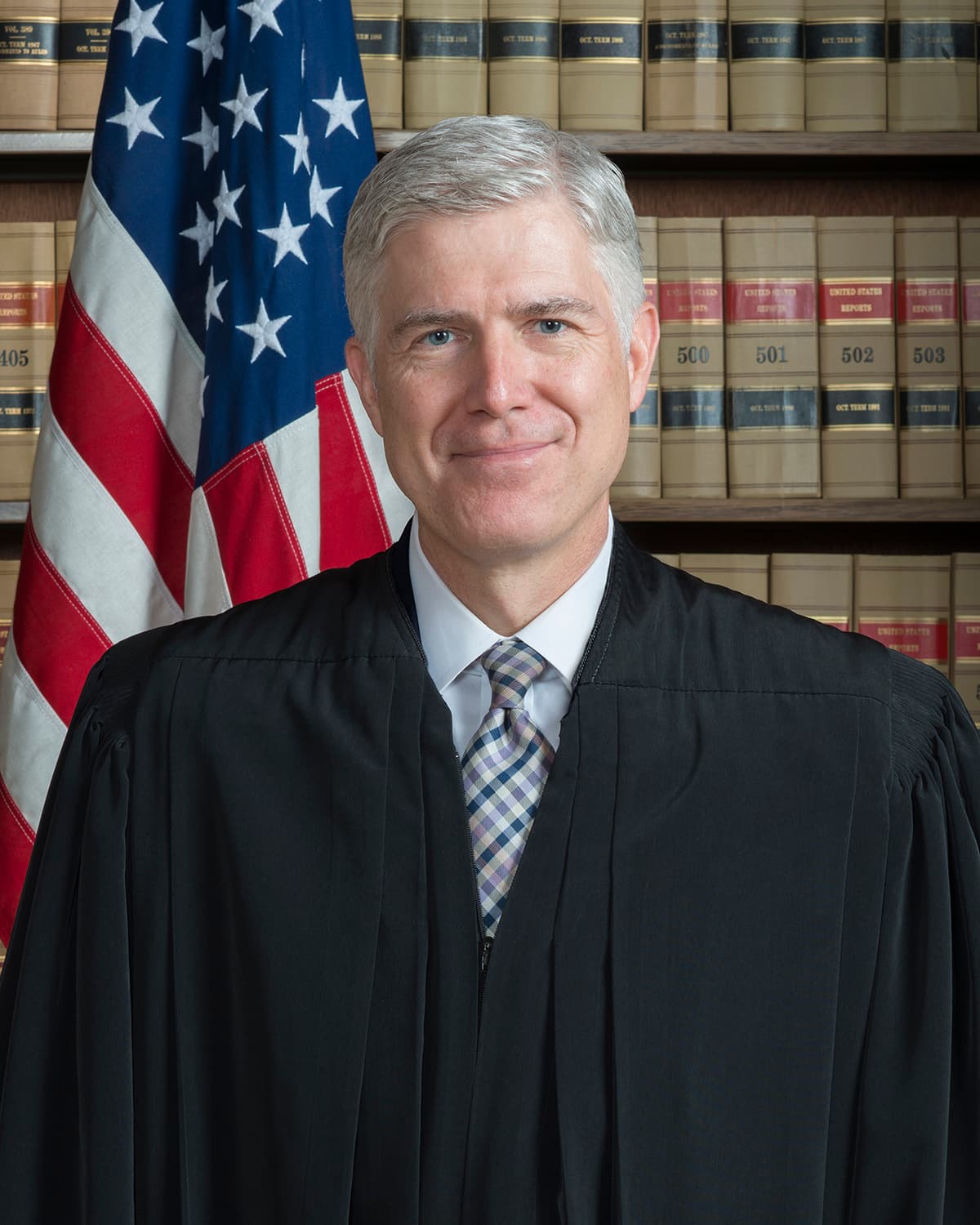
Gorsuch said he and Nitze wrote the book to help children understand the Declaration’s promises and responsibilities, and to encourage them to “pick up the baton” from the founders. The book is being released for the 250th anniversary of the founding era and was listed by the Reagan Presidential Library as publishing on May 5, 2026. The National Constitution Center also identifies Gorsuch as the author of the epilogue to The Promise of America: Reflections on Our Enduring Ideals, a related project that features retired Justice Stephen G. Breyer writing the introduction.
Gorsuch’s defense of consensus lands differently in public than it does on the bench. He noted that the nine justices, appointed by five different presidents over 30 years, still reach unanimous outcomes about 40% of the time. Court records show that oral-argument audio is posted the same day arguments are heard, a level of transparency that did not exist when the Court began recording arguments in 1955. SCOTUSblog’s statistics show that 40% of opinions in the 2023 Term were unanimous, and that roughly 42% of opinions have been unanimous since 2007, suggesting that unanimity remains a durable feature of the institution even amid a 6-3 conservative majority.
At the same time, Gorsuch has linked the founding era to present-day civic strain. In another interview, he said declining civics and history education leaves Americans “missing something” and said he was “very distressed” by it. That tension sits at the center of the Court’s legitimacy problem: a justice celebrating the ideals of 1776 while the country measures the Court through battles over culture-war cases, originalism and whether its rulings still command broad public faith.
This article was produced by Prism’s automated news system from verified source data, official records, and press releases, then run through automated quality and moderation checks before publishing. The system is built and supervised by the people who set the standards it runs under. Read our full AI policy.
Did this article answer your question?

