Kaine Questions Trump's $1.5 Trillion Defense Budget Amid Iran War
Sen. Kaine called Trump's 44% Pentagon spending jump unjustified as an F-15E Strike Eagle was shot down by Iran and a second crew member remained missing.
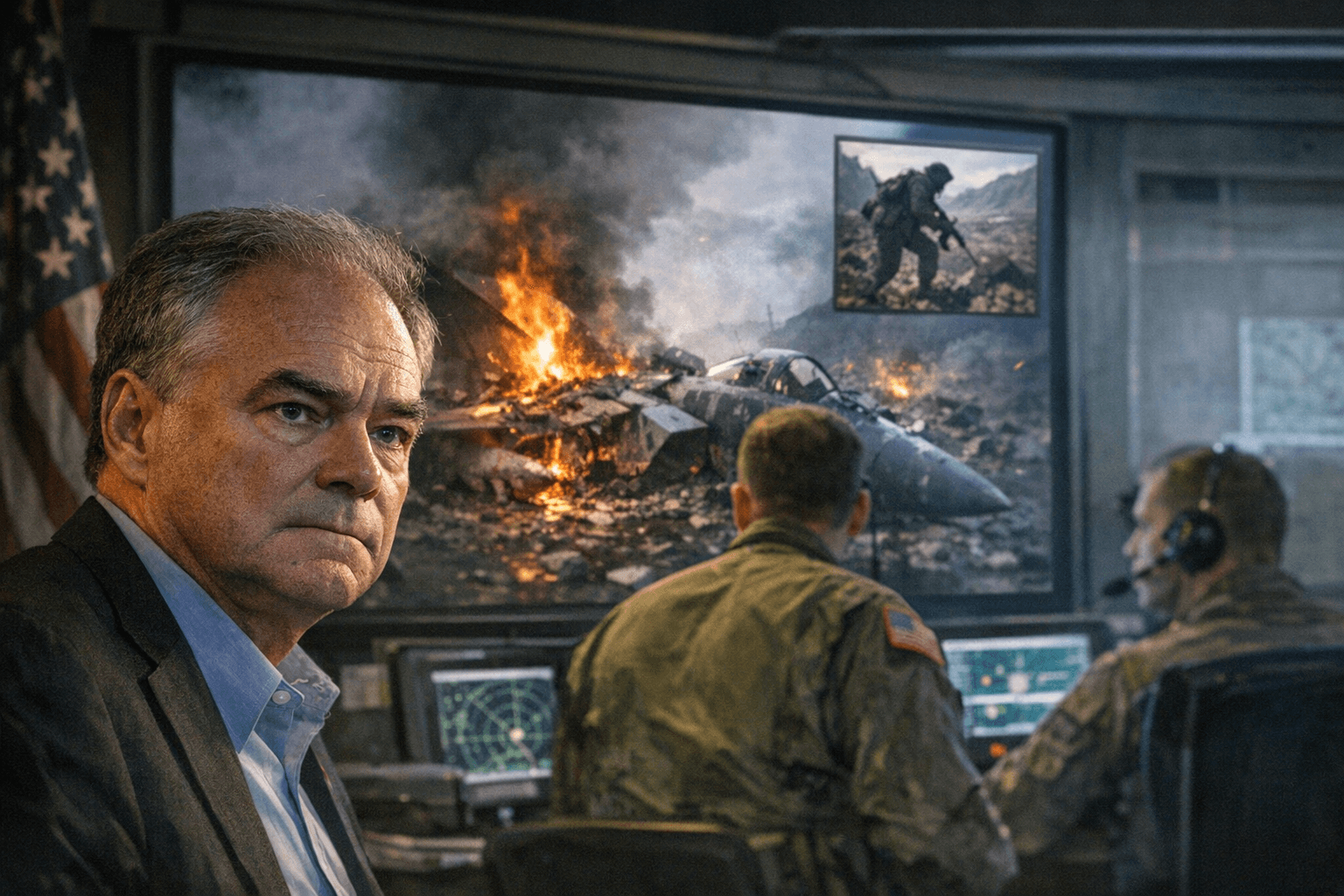
The Trump administration's $1.5 trillion Pentagon funding request for fiscal year 2027 landed in Congress on Friday alongside battlefield news that crystallized exactly why the White House wants it: a U.S. F-15E Strike Eagle shot down by Iranian fire, one crew member rescued and a second still missing, with an A-10 Thunderbolt sent to support the rescue also taking a hit.
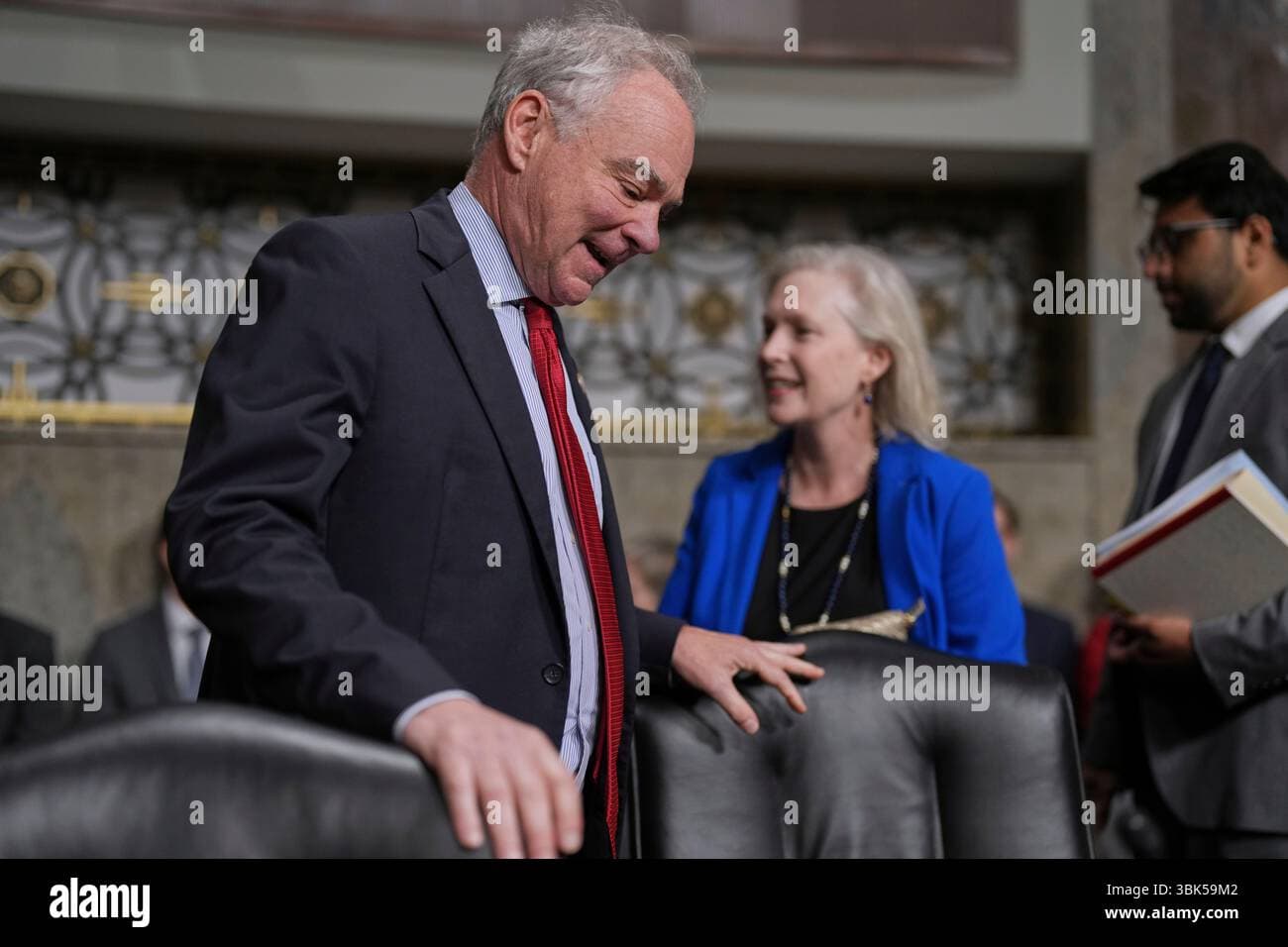
Against that backdrop, Sen. Tim Kaine went on NBC's "Meet the Press" Sunday and said it anyway: "I have a hard time seeing that size of an increase as being justified."
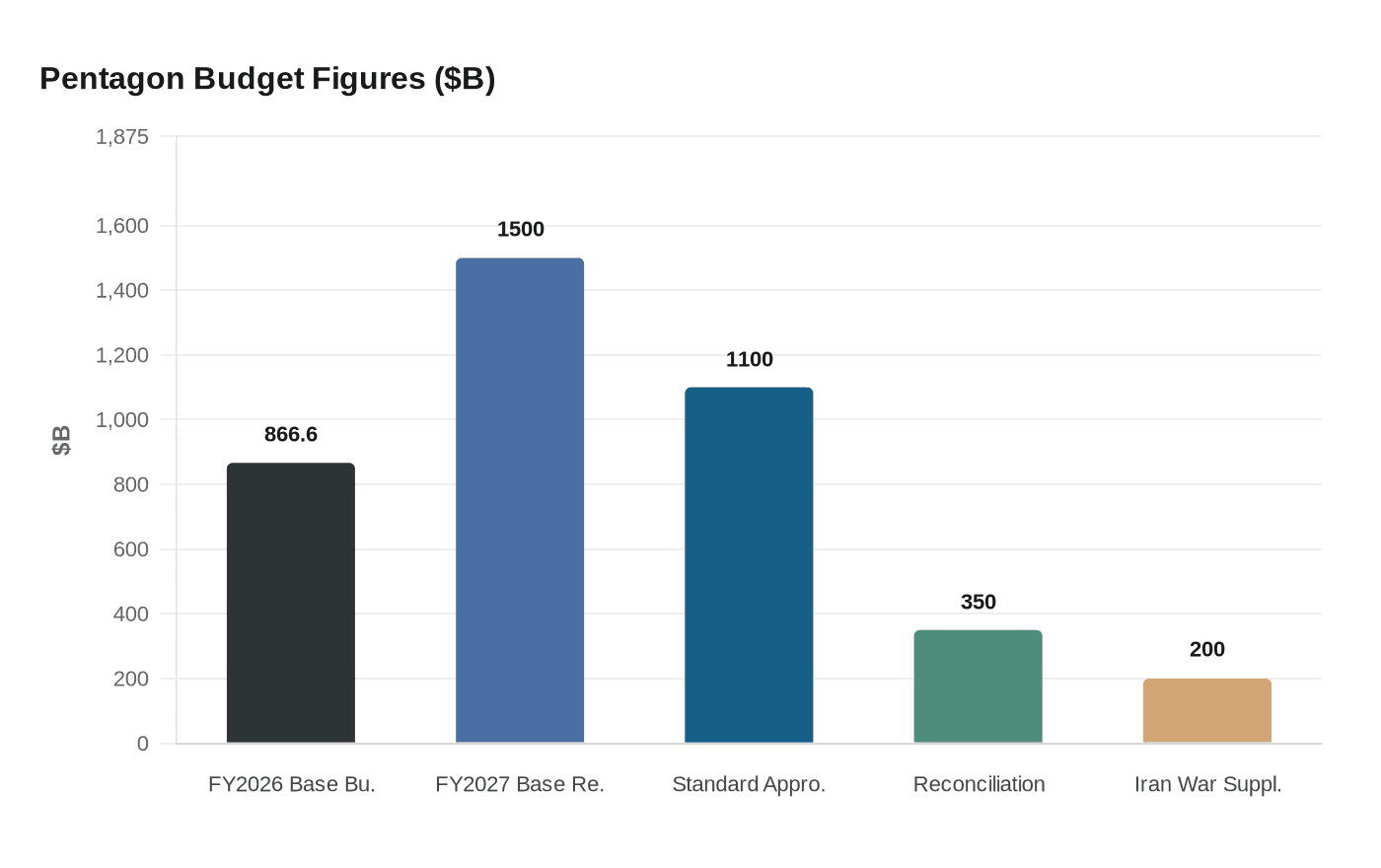
The Virginia Democrat and Senate Armed Services Committee member said he and colleagues would be "taking a look" at the request over the coming weeks. His skepticism frames the central tension: the White House is seeking a 44% increase over the Pentagon's FY2026 base budget of $866.6 billion, and doing so while Iran war costs are already blowing past initial projections.
The $1.5 trillion request is structured across two tracks. Roughly $1.1 trillion would move through standard appropriations, which requires bipartisan support to clear procedural hurdles. The remaining $350 billion would travel through budget reconciliation, allowing Senate Republicans to pass it on a party-line vote. If enacted, it would mark the first time Pentagon base spending has ever exceeded $1 trillion.
The White House released the 92-page proposal on April 3, framing it in sweeping historical terms, arguing the spending level "exceeds even the Reagan buildup by approaching the historic increases just prior to World War II." President Trump offered a blunter rationale at a private White House event: "We're fighting wars. We can't take care of day care."
The base budget request does not account for all of the war's costs. The Pentagon is separately seeking $200 billion in supplemental appropriations for Iran war operations, four times the amount originally floated. When asked about that supplemental request at a press conference, Defense Secretary Pete Hegseth said: "It takes money to kill bad guys." That additional ask has yet to be absorbed into the reconciliation framework Republicans are still assembling.
The $1.5 trillion base proposal is paired with a proposed 10% cut to non-defense discretionary spending, roughly $73 billion. That tradeoff defines the fiscal battleground ahead: defense hawks demanding every dollar of the increase will collide with deficit-conscious conservatives and Democrats who retain procedural leverage over the $1.1 trillion portion subject to regular-order rules.
Congress is already deadlocked over current-year spending, with DHS funding disputes straining negotiations and raising the prospect of a shutdown-style standoff before the 2027 numbers are ever formally tested. The president's budget carries no force of law; Congress sets actual appropriations, and what the White House proposes rarely survives intact. The question this cycle is how much of a 44% increase survives the arithmetic of a legislature only beginning to reckon with the full price of the war it is fighting.
This article was produced by Prism’s automated news system from verified source data, official records, and press releases, then run through automated quality and moderation checks before publishing. The system is built and supervised by the people who set the standards it runs under. Read our full AI policy.
Did this article answer your question?