Kansas judge blocks law banning gender-affirming care for minors
Kansas families can keep pursuing gender-affirming care for now after a judge paused key parts of the state ban. The ruling could shape constitutional challenges in other states.

Families of transgender teenagers in Kansas can keep seeking gender-affirming treatment for now after a Douglas County judge temporarily blocked enforcement of key parts of the state’s Help Not Harm Act. The order gives providers a short-term reprieve from a law that threatened hormone therapy, puberty blockers, civil lawsuits, professional discipline, state funding, and insurance coverage for those who treat minors with gender dysphoria.
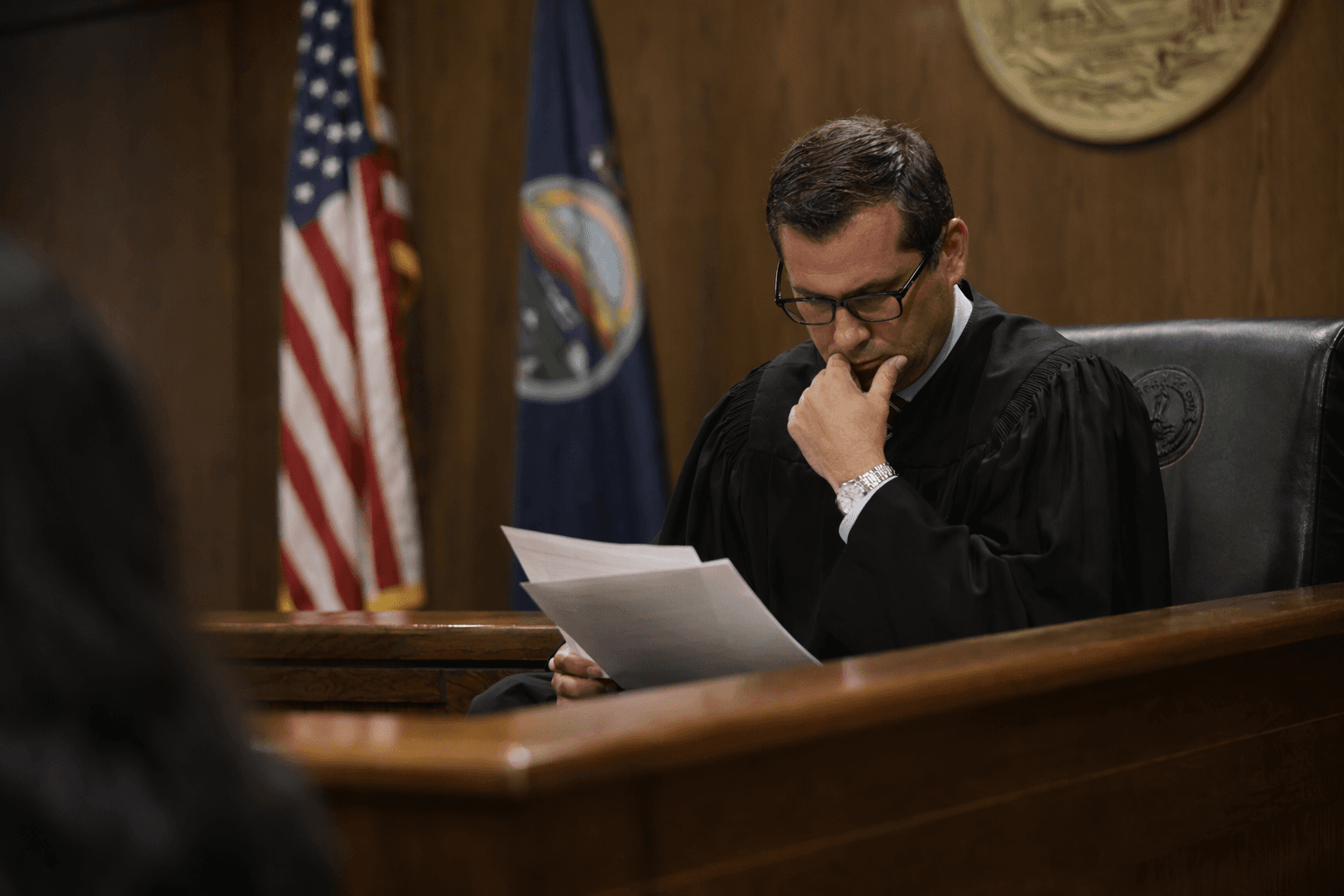
Douglas County District Judge Carl Folsom III said the plaintiffs showed a reasonable probability of irreparable harm, a finding that immediately mattered to parents trying to continue care already underway. The injunction is temporary, but it slows the reach of SB 63, the measure Kansas enacted in February 2025 after Republicans overrode Gov. Laura Kelly’s veto by 31-9 in the Senate and 84-35 in the House.
The case, Loe v. Kansas, was filed in Kansas state court in May 2025 by two transgender adolescents and their parents. Their challenge targets the law on Kansas constitutional grounds rather than federal ones, a distinction that now gives the state courts a central role in deciding whether Kansas can keep enforcing restrictions beyond the narrow treatment ban itself.
That broader scope is one reason the ruling resonates outside Kansas. SB 63 does not simply prohibit providers from giving gender-affirming medical treatment to transgender minors diagnosed with gender dysphoria. It also blocks the use of state funds and resources for those treatments, authorizes civil lawsuits against providers, and limits professional and insurance protections for doctors and clinics. Folsom’s injunction therefore affects not just prescriptions, but the legal and financial pressure that had been built around them.
Kansas Attorney General Kris Kobach said he would appeal, keeping the dispute alive and underscoring how provisional the ruling remains. If the state succeeds later in the litigation, the law could still take effect; if the plaintiffs prevail, Kansas could become an important example of how state constitutions can be used to challenge restrictions that federal law may allow.
The stakes extend well beyond Topeka and Lawrence. In June 2025, the U.S. Supreme Court ruled that states may restrict gender-affirming care for minors under the U.S. Constitution, and reporting has counted 27 states that have limited or banned such care. That makes state court cases like Loe v. Kansas one of the few remaining avenues for families and advocates seeking to undo bans, and one of the clearest tests yet of how far states can go in policing treatment decisions for transgender youth.
This article was produced by Prism’s automated news system from verified source data, official records, and press releases, then run through automated quality and moderation checks before publishing. The system is built and supervised by the people who set the standards it runs under. Read our full AI policy.
Did this article answer your question?

