Kansas Proof-of-Citizenship Voting Law Blocked 31,000 Eligible Voters
Kansas's proof-of-citizenship voting law blocked 31,089 eligible voters and identified just 39 noncitizens who registered over 19 years before courts struck it down.
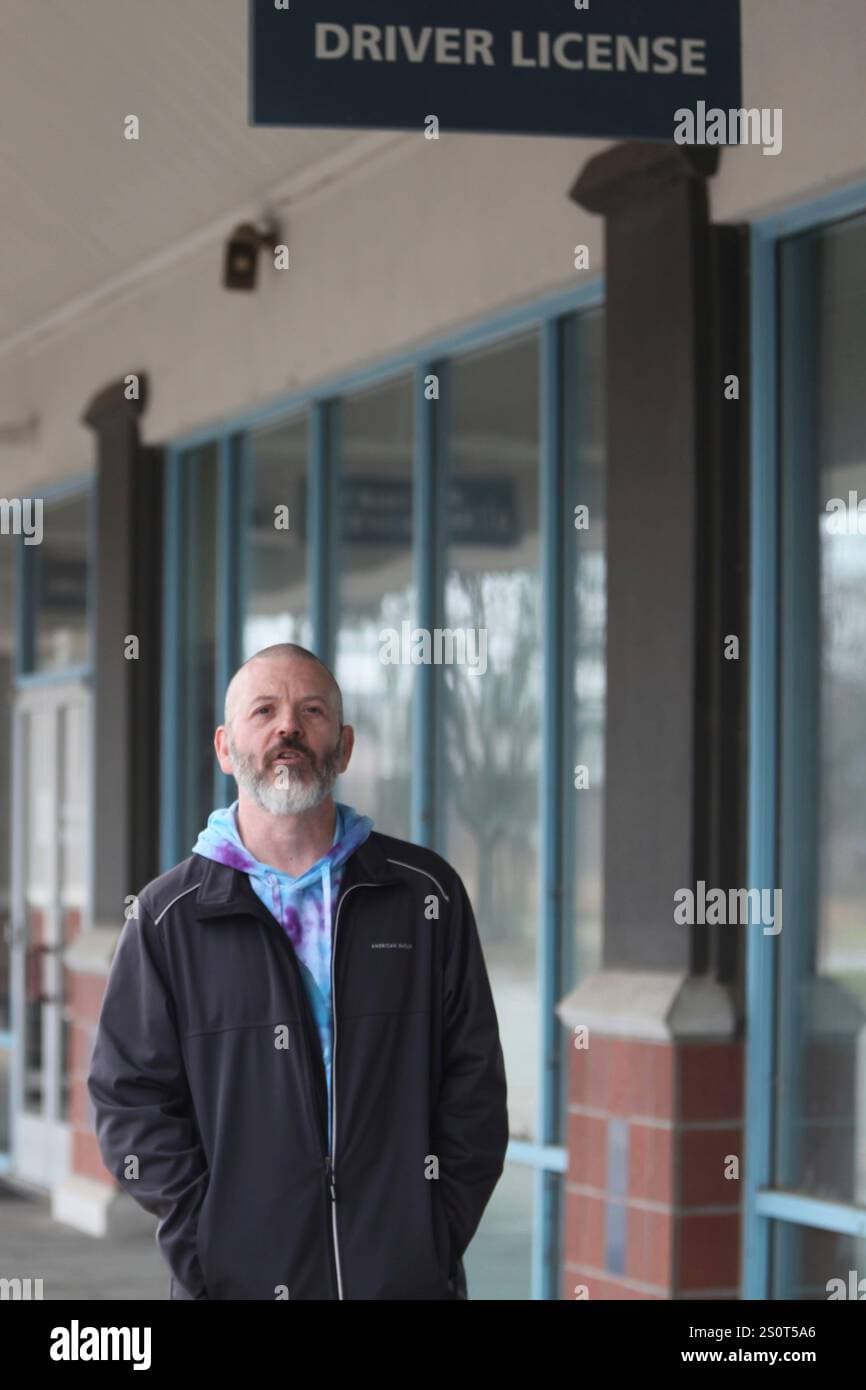
Steven Fish drove from Garnett, Kansas to a Lawrence strip mall, the same spot where he had once been turned away from registering to vote. The proof-of-citizenship law that stopped him was later struck down by the federal courts, but not before it had frozen more than 31,000 eligible Kansans out of the registration rolls.
Kansas state legislators passed the law requiring proof of citizenship to register to vote in 2011, and it was implemented two years later. Known as the Kansas Secure and Fair Elections Act, or SAFE Act, starting in 2013, people who wanted to vote in Kansas needed to produce documents proving their U.S. citizenship, such as a driver's license, birth certificate, naturalization papers, or a passport. The law was later blocked by a federal trial judge.
The 10th Circuit U.S. Court of Appeals agreed with the federal district court that the documentary proof-of-citizenship requirement "unconstitutionally burdens the right to vote" and concluded more than 31,000 Kansas residents were prevented from registering. The exact figure cited in the appellate court's 84-page opinion: 31,089 voters whose registration applications were canceled or suspended. Over the same period, the appeals court noted that at most 39 noncitizens managed to register over the past 19 years, which the court called "incredibly slight evidence."
The law's administrative machinery compounded the damage. Kansas tied its citizenship verification process to its driver's license database, and the connection produced cascading errors. U.S. District Court Judge Julie Robinson found that "tens of thousands of eligible citizens were blocked from registration" and that "the process of completing the registration process was burdensome for them." Making matters worse, Division of Motor Vehicles clerks across the state were blocked from helping voters navigate the new requirement: by policy, they were not permitted to request proof of citizenship during license renewals or updates, and they were not allowed to inform people that the new documentation requirement even existed.
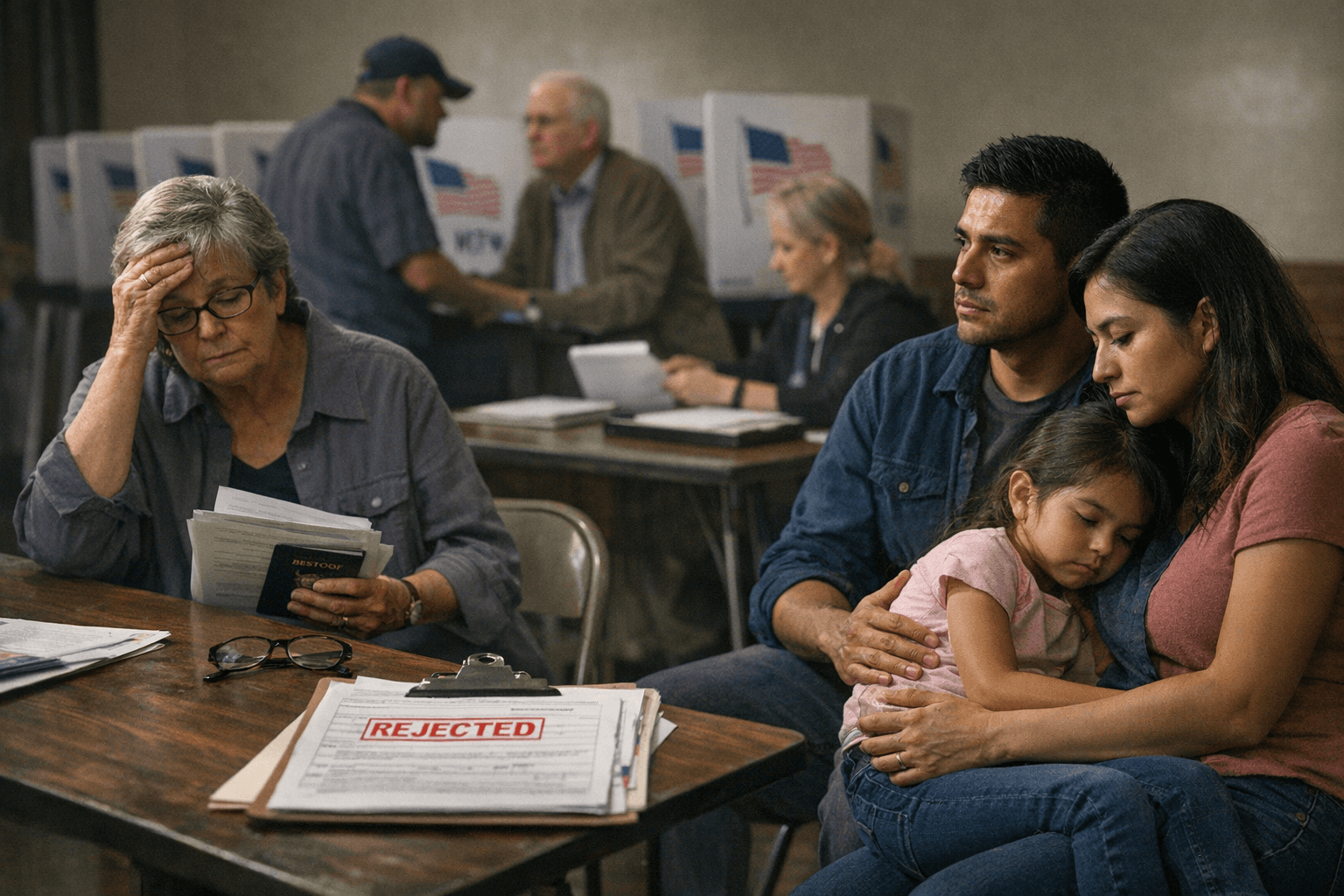
A report reviewed by the Kansas Reflector found that lawmakers crafting such legislation routinely failed to attach meaningful fiscal analyses, ignored cost impacts on local governments, or submitted incomplete assessments altogether. Implementing proof-of-citizenship laws typically demands investment in technology upgrades, staff training, and data privacy protections, costs that Kansas legislators largely left unexamined. One analyst quoted in the Reflector put the systemic risk plainly: "When you do that, you will probably run into some errors. Kansas has. Arizona has. And those errors, they're not just minor errors. They're errors that disenfranchise people, that take away their right to vote."
The political legacy inside Kansas is striking. Kris Kobach, who served as Kansas Secretary of State and is now the state's Attorney General, championed the law and personally served as lead counsel defending it in court. Chief District Judge Julie A. Robinson sanctioned Kobach, who had led President Trump's voter fraud commission, by ordering him to take a legal class on the rules of evidence or procedure. Kansas Secretary of State Scott Schwab, who supported the law as a legislator, later broke with it entirely. The ACLU called on Schwab to "turn the page on Kris Kobach's sorry legacy of voter suppression," and Schwab, a Republican who had supported the law as a legislator, said his office would review the decision. By December 2024, Schwab's assessment had sharpened: he told the Associated Press simply, "It didn't work out so well."
A similar effort was tried in Kansas a decade ago and turned into a debacle that eventually was blocked by the courts after more than 30,000 eligible citizens were prevented from registering. Now, with Republicans pushing the federal SAVE Act and President Donald Trump signaling plans to reshape federal election rules with voter ID requirements, that history is drawing renewed attention from election administrators and voting rights advocates across the country. Out of approximately 1.7 million registered Kansas voters, approximately 0.0009 percent of noncitizens registered to vote in Kansas, while 22,000 U.S. citizens were unable to register to vote due to the legislation. That asymmetry, documented in federal court and affirmed on appeal, is the essential record Kansas leaves behind.
This article was produced by Prism’s automated news system from verified source data, official records, and press releases, then run through automated quality and moderation checks before publishing. The system is built and supervised by the people who set the standards it runs under. Read our full AI policy.
Did this article answer your question?

