Karmelo Anthony gets 35 years for killing Austin Metcalf, appeals verdict
Karmelo Anthony’s 35-year sentence is now headed to appeal, extending a case that has already stirred debate over self-defense, race and youth violence.
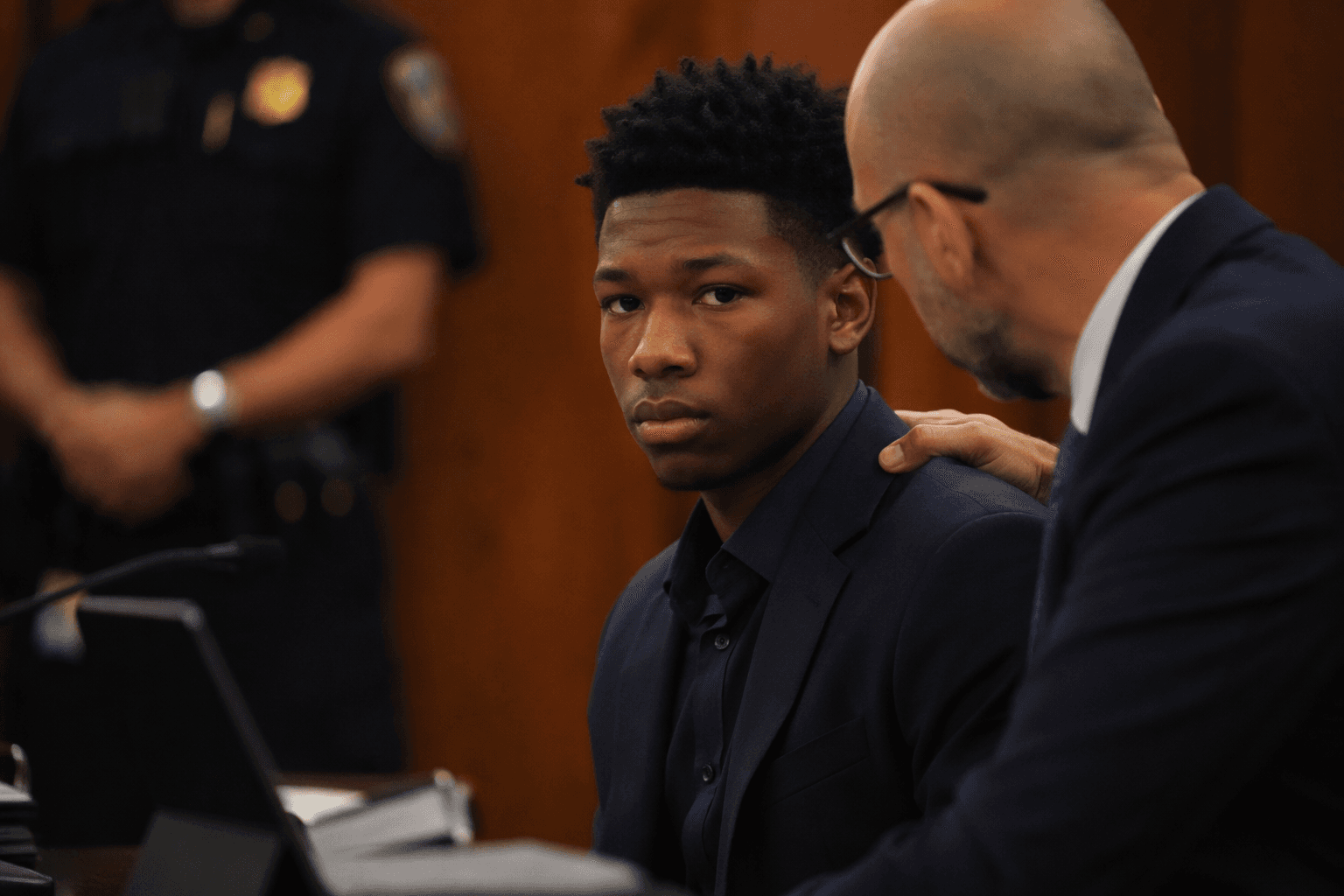
Karmelo Anthony’s 35-year prison sentence for the stabbing death of 17-year-old Austin Metcalf is now moving into the next phase of a case that has drawn intense scrutiny far beyond Collin County. Less than 24 hours after a jury convicted Anthony of murder, his legal team filed a notice of appeal, signaling that the verdict will be reviewed by a higher court.
The filing does not overturn the conviction or pause the sentence. It simply preserves Anthony’s right to challenge the case and starts the formal appeals process, which can stretch for many months and, in some cases, more than a year. Defense attorneys are likely to focus on the issues that defined the trial itself, including the self-defense argument that Anthony acted in “fear and chaos,” as well as questions tied to how the case was presented to jurors and whether key rulings were handled properly.

A Collin County jury convicted Anthony on June 9, 2026, and took about two and a half hours to decide the punishment. The sentence came after the jury heard evidence about the April 2, 2025 stabbing at a Frisco Independent School District track meet at Kuykendall Stadium in Frisco, Texas. Prosecutors said Anthony fatally stabbed Metcalf during a confrontation under a team tent at the district event.
The aftermath has continued to unfold inside and outside the courtroom. After sentencing, Austin Metcalf’s parents delivered emotional impact statements. Anthony was then transferred to the Texas Department of Criminal Justice, where he underwent intake and a new booking photo was taken. Reports also say he requested a court-appointed attorney because he cannot afford one, a move that could shape how the appeal is handled going forward.
The case has become a flashpoint in the Dallas-area and beyond, drawing public debate over self-defense claims, youth violence and race. Online criticism over jury selection, including the absence of Black jurors, intensified the attention surrounding the verdict. Commentary from public figures and celebrities only broadened the reach of a case that began with a fatal encounter under a school track meet tent and is now heading into a slower, less visible phase in the appellate courts.
This article was produced by Prism’s automated news system from verified source data, official records, and press releases, then run through automated quality and moderation checks before publishing. The system is built and supervised by the people who set the standards it runs under. Read our full AI policy.
Did this article answer your question?