Katie Porter leans on consumer record in crowded California governor race
Porter’s whiteboard confrontations made her famous, but California’s governor race is testing whether that brand can build a statewide governing majority.
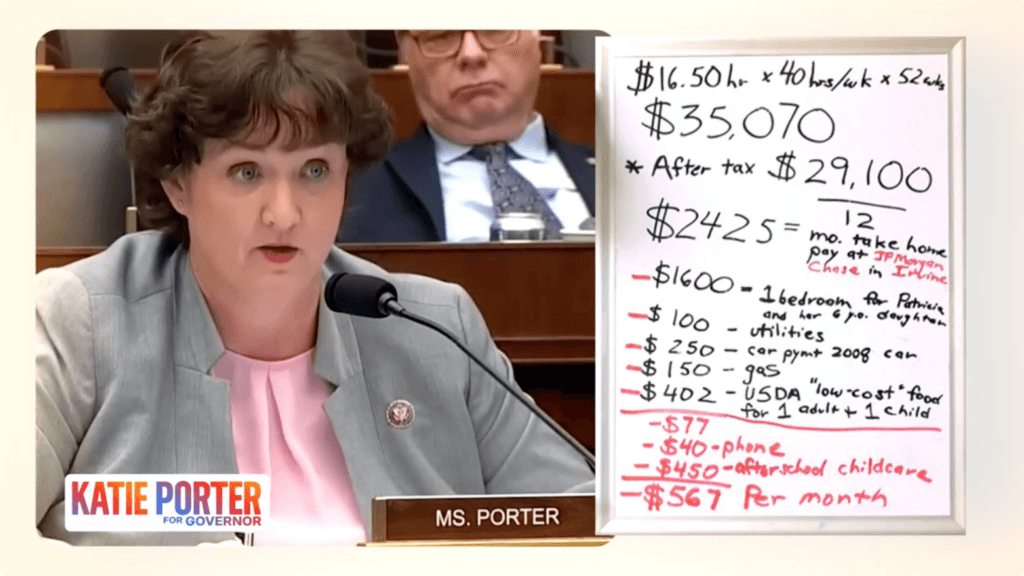
Katie Porter built her political identity by putting corporate executives and regulators on the defensive, often with a whiteboard in hand and a consumer complaint at the center of the frame. Now that same anti-corporate style is at the heart of her bid for governor, where the question is no longer whether she can dominate a hearing, but whether she can assemble the broader coalition needed to govern California.
Porter launched her campaign on March 11, 2025, after deciding not to seek reelection to the U.S. House. She served from 2019 through 2025, first in California’s 45th congressional district and then in the 47th. Her background as a consumer protection attorney and former law professor gave her a detailed command of policy, and it helped make her one of the most visible Democrats in Washington. She turned that profile into a statewide pitch built around affordability, consumer protection and a pledge to refuse corporate money.
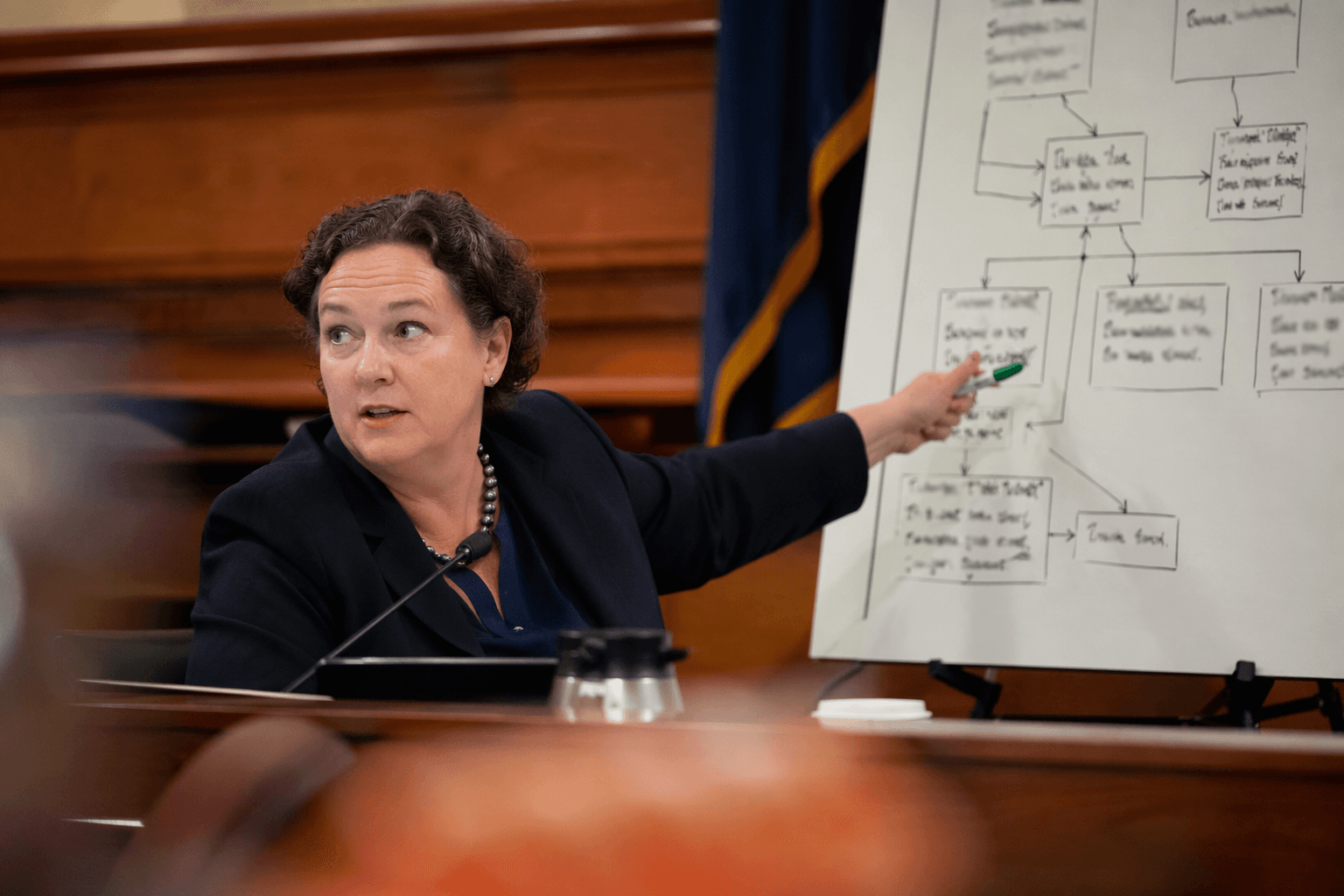
That message is aimed squarely at California’s cost-of-living crisis. Porter’s campaign says families cannot keep up with rising housing, groceries, utilities, child care, higher education, transportation and retirement costs, a list that reflects the core economic anxieties shaping the race. The campaign has leaned on endorsements from the Consumer Federation of California and IUEC Local 8, both announced in May 2026, to bolster her claim that she is the only candidate refusing corporate money. Those endorsements also point to the coalition she will need if she reaches the governor’s office, where labor, consumer advocates, homeowners, renters and business interests rarely align neatly.
But Porter’s biggest political liability has been personal, not ideological. Viral videos involving a staffer and a reporter have fed concerns about her temperament, and critics have treated those episodes as a central test of her readiness to lead a state as large and politically fractured as California. Porter publicly confronted those concerns in a campaign ad and again at a debate in October 2025, an effort to reassure voters that the forceful style that helped her become nationally known would not overshadow the job of governing.
The race itself has added another layer of difficulty. Gov. Gavin Newsom is term-limited and cannot seek a third term, leaving an open contest in a top-two primary system that was held on June 2, 2026, with the general election set for November 3, 2026. In a crowded field, California’s rules can send two candidates from the same party to November if one side splits its vote. For Porter, that means the challenge is not just surviving a busy primary. It is proving that a brand built in Congress can still hold together in a state where governing requires more than viral confrontation.
This article was produced by Prism’s automated news system from verified source data, official records, and press releases, then run through automated quality and moderation checks before publishing. The system is built and supervised by the people who set the standards it runs under. Read our full AI policy.
Know something we missed? Have a correction or additional information?
Submit a Tip