Los Angeles mayoral race draws 14 candidates amid voter frustration
Fourteen candidates crowded Los Angeles's mayoral primary as Karen Bass sought a second term amid anger over homelessness, housing costs and the Palisades fire.

A crowded 14-candidate field turned Los Angeles's mayoral primary into a blunt referendum on whether Karen Bass had done enough to steady a city strained by homelessness, housing costs, public safety fears and a crisis of trust. Bass, who won the 2022 race after advancing from the June primary, sought re-election against challengers including City Council member Nithya Raman and reality TV personality Spencer Pratt, with the certified ballot also listing Adam Miller, Juanita Lopez, John Logsdon, Tish Hyman, Rae Chen Huang, Nelson Cheng, Andrej A. Selivra, Asaad AlNajjar, Bryant Acosta, Suzy Kim and Andrew K. Kim.
The race exposed the limits of what a mayor can actually fix in Los Angeles. Bass can shape the city's $14.8 billion budget, set priorities for homelessness, housing and public safety, and push City Hall toward faster delivery. She cannot, on her own, solve the regional housing shortage, rewrite state law, or untangle every county and state system that influences shelter, treatment and enforcement. That gap between voter expectations and mayoral power has defined the campaign.
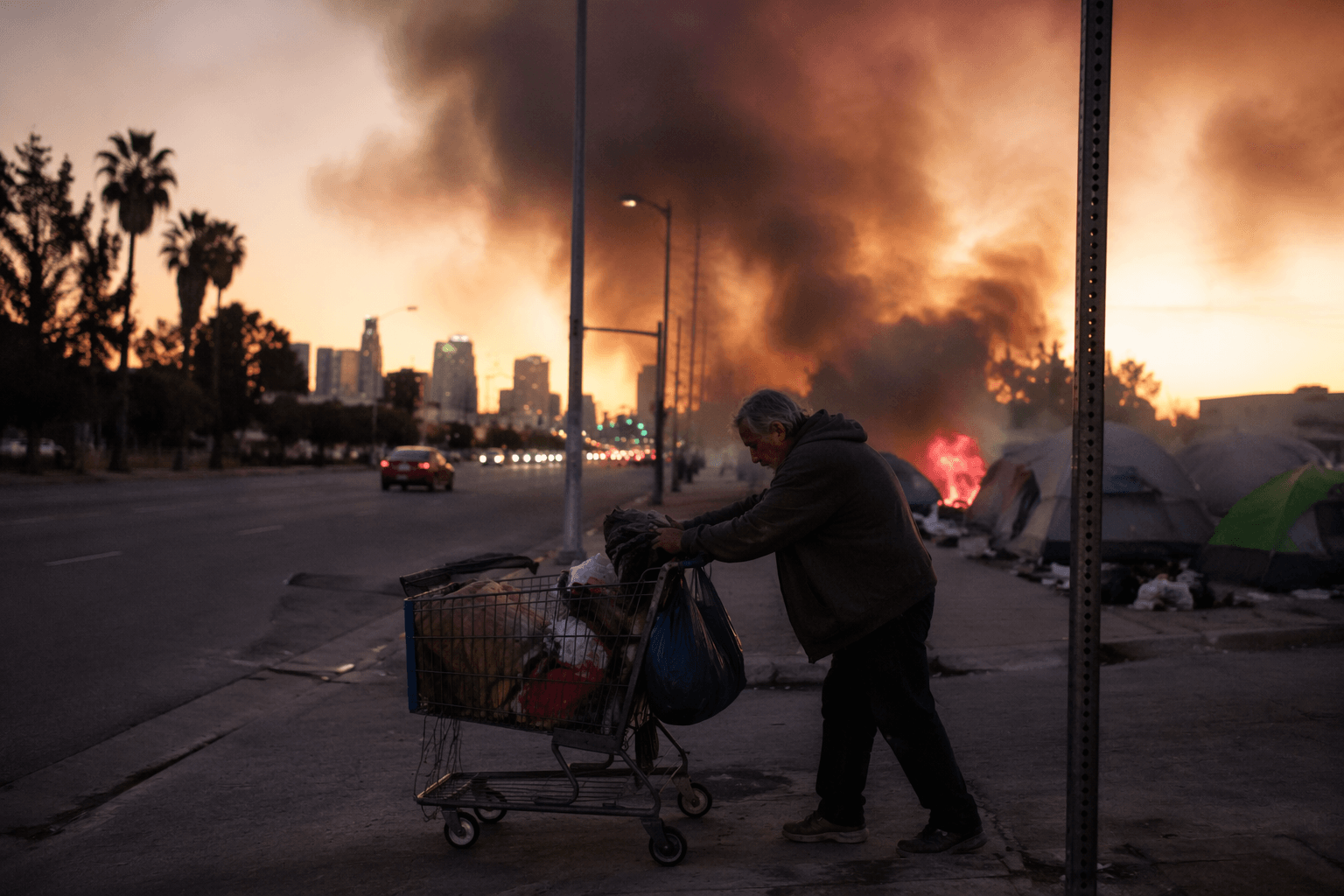
Bass entered the contest carrying the weight of the Palisades Fire, which the Associated Press has described as the most destructive wildfire in Los Angeles history, along with continued criticism over how quickly the city rebuilt and reduced homelessness. Her campaign has said she has reduced homelessness, increased housing production and hired more police officers, a record she used to argue for a second term even as opponents framed the election as a verdict on city government.
The political map looked unusually open. Coverage before Election Day described Bass as locked in a tight race with Raman and Pratt, a matchup that pushed voters between a liberal council member and a Republican celebrity whose own house burned in the Palisades fire. That ideological spread gave the primary a sharper edge than many Los Angeles mayoral contests, where turnout has historically been low and, according to a Los Angeles Times review of a century of results, fell from a late-1960s peak to historic lows in recent decades.

In that environment, the blocs most likely to decide who advanced were the voters most directly touched by the city's failures: residents angry about encampments and crime, renters squeezed by housing costs, and households still measuring City Hall by the pace of wildfire recovery. Under the city's rules, if no candidate won a majority, the top two finishers would move on to the November 3 general election. The mayoral race was not just about personalities; it was a test of whether Los Angeles voters still believed City Hall could deliver basic competence after years of overlapping crises.
This article was produced by Prism’s automated news system from verified source data, official records, and press releases, then run through automated quality and moderation checks before publishing. The system is built and supervised by the people who set the standards it runs under. Read our full AI policy.
Know something we missed? Have a correction or additional information?
Submit a Tip

