Kazakhstan Condemns Ukrainian Drone Strike, CPC Terminal Operations Halt
Kazakhstan’s foreign ministry formally criticized Ukraine after a Ukrainian drone strike damaged a mooring at the Caspian Pipeline Consortium Black Sea terminal, forcing operations to stop. The disruption matters because the CPC handles more than 1 percent of global oil flows, trimming seaborne supplies and adding new geopolitical risks to energy markets and national budgets.
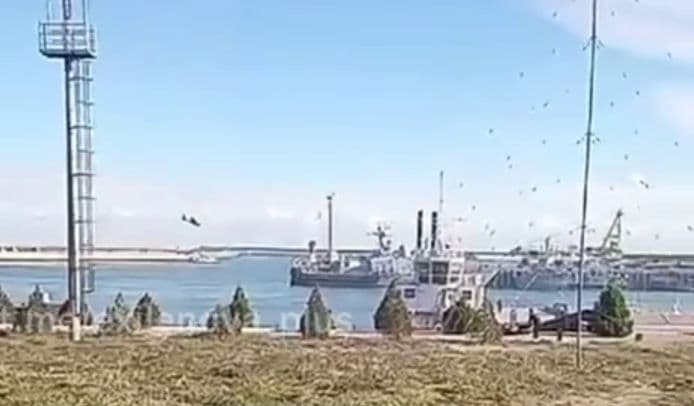
Kazakhstan lodged a formal protest on November 30 after a Ukrainian drone strike damaged a mooring at the Caspian Pipeline Consortium Black Sea terminal near Novorossiysk, Reuters reported, forcing a suspension of loading operations. The foreign ministry described the attack as a deliberate act against civilian infrastructure and warned of potential international law consequences. The terminal is a major export outlet for Kazakh crude and handles more than 1 percent of global oil flows, a share that translates to roughly over one million barrels per day on a typical global consumption base.
Operators shut the facility to assess damage and secure the site, creating an immediate bottleneck for crude shipments that had been scheduled to move through the terminal. The halt reduced throughput from one of the few deepwater Black Sea terminals that serve the Caspian region, drawing diplomatic protests from governments and companies that rely on the pipeline for contracted volumes. The CPC system is a crucial artery for Kazakh production, carrying oil from fields in the Caspian basin to the Russian Black Sea coast for onward shipping to international buyers.
The interruption came amid a campaign of maritime and port strikes linked to the wider Russia Ukraine conflict, a pattern that has repeatedly exposed energy supply chains to asymmetric attacks. Analysts said the closure exacerbates short run uncertainty for regional seaborne crude flows, while amplifying concerns among shippers, insurers and oil traders about operating in contested waters. Higher insurance premiums and more cautious routing could raise logistics costs and lengthen delivery times for buyers dependent on Black Sea loadings.
For Kazakhstan, the economic implications could be material. The CPC remains one of the country’s principal export routes, and any sustained reduction in shipments risks lowering state export receipts and complicating fiscal planning. Even a temporary outage that disrupts a million barrels per day of export capacity can ripple through export schedules, force storage build up at ports, and require reallocation of cargoes to alternative routes that may be more expensive or capacity constrained.
The incident also presents a diplomatic test. Kazakhstan has balanced economic ties with Russia and Western partners, and its protest signaled sensitivity to attacks that damage civilian energy infrastructure tied to its national income. Moscow will have to manage security arrangements around critical terminals on its coast, while energy buyers and consortium shareholders will press for quick assessments and indemnities.
In markets, the strike added to a list of supply risk factors already influencing trading desks, though the full price impact will depend on how quickly the CPC terminal is repaired and how operators manage backlogs. In the longer term the attack underscores structural vulnerabilities in global energy logistics, reinforcing trends toward diversification of export corridors, higher resilience spending by operators, and a reevaluation of how geopolitical fault lines intersect with commodity infrastructure.
This article was produced by Prism’s automated news system from verified source data, official records, and press releases, then run through automated quality and moderation checks before publishing. The system is built and supervised by the people who set the standards it runs under. Read our full AI policy.
Did this article answer your question?