Keiko Fujimori, Roberto Sanchez tied in Peru runoff poll, 38% each
Keiko Fujimori and Roberto Sánchez are deadlocked at 38 percent each, extending Peru’s post-election uncertainty. Fraud allegations and a contested count have left neither camp with a clear mandate.
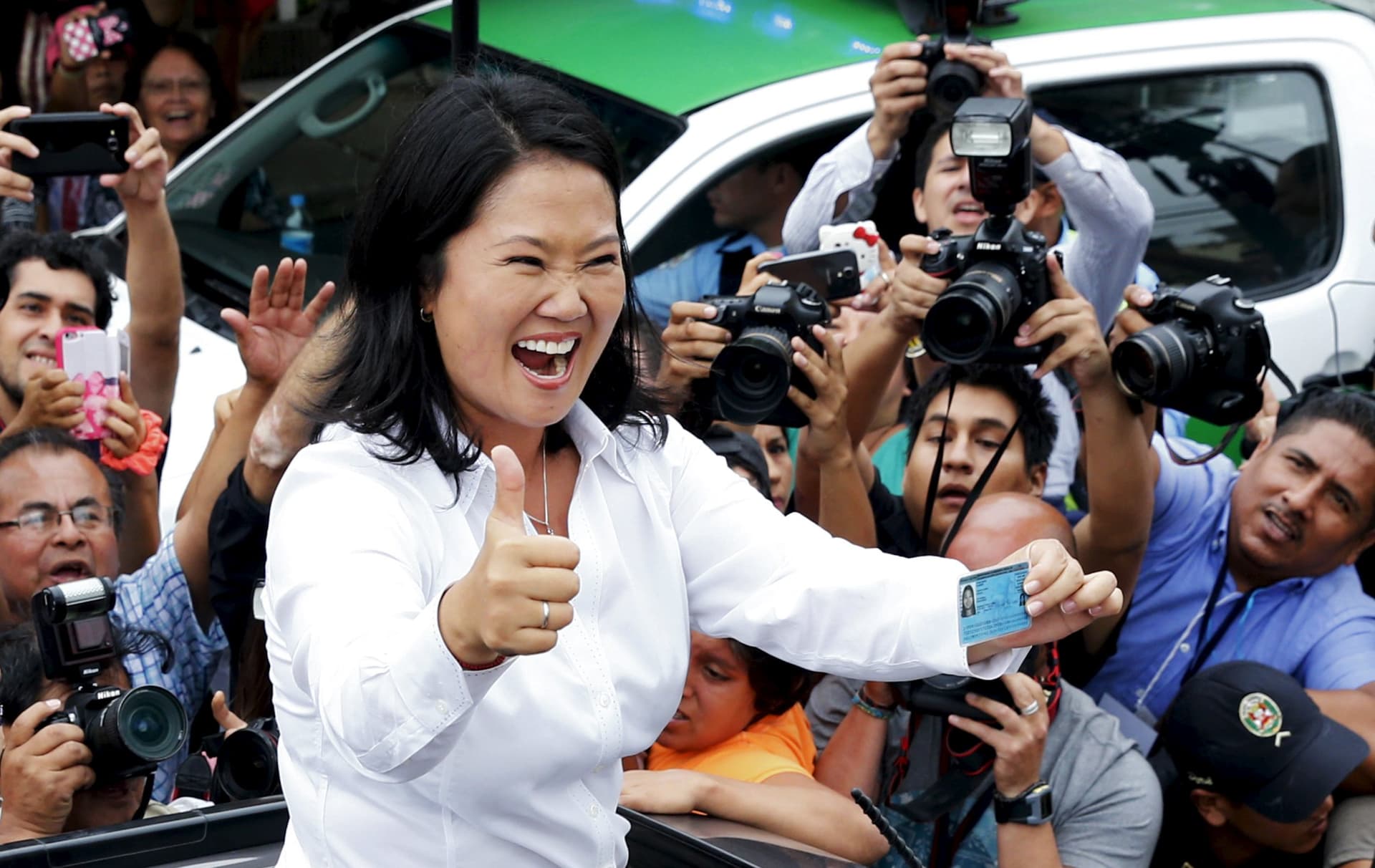
A new dead heat between Keiko Fujimori and Roberto Sánchez has turned Peru’s runoff into a test of how much mistrust the country can absorb before the system itself begins to fray.
An Ipsos Peru poll published Sunday showed Fujimori, the right-wing daughter of former President Alberto Fujimori, and leftist Roberto Sánchez tied at 38 percent each in a hypothetical June 7 runoff. The result came after Peru’s April 12 first round and underscored how little has been settled in a race that was already defined by a crowded field of 35 presidential candidates, a slow count and persistent allegations of fraud.
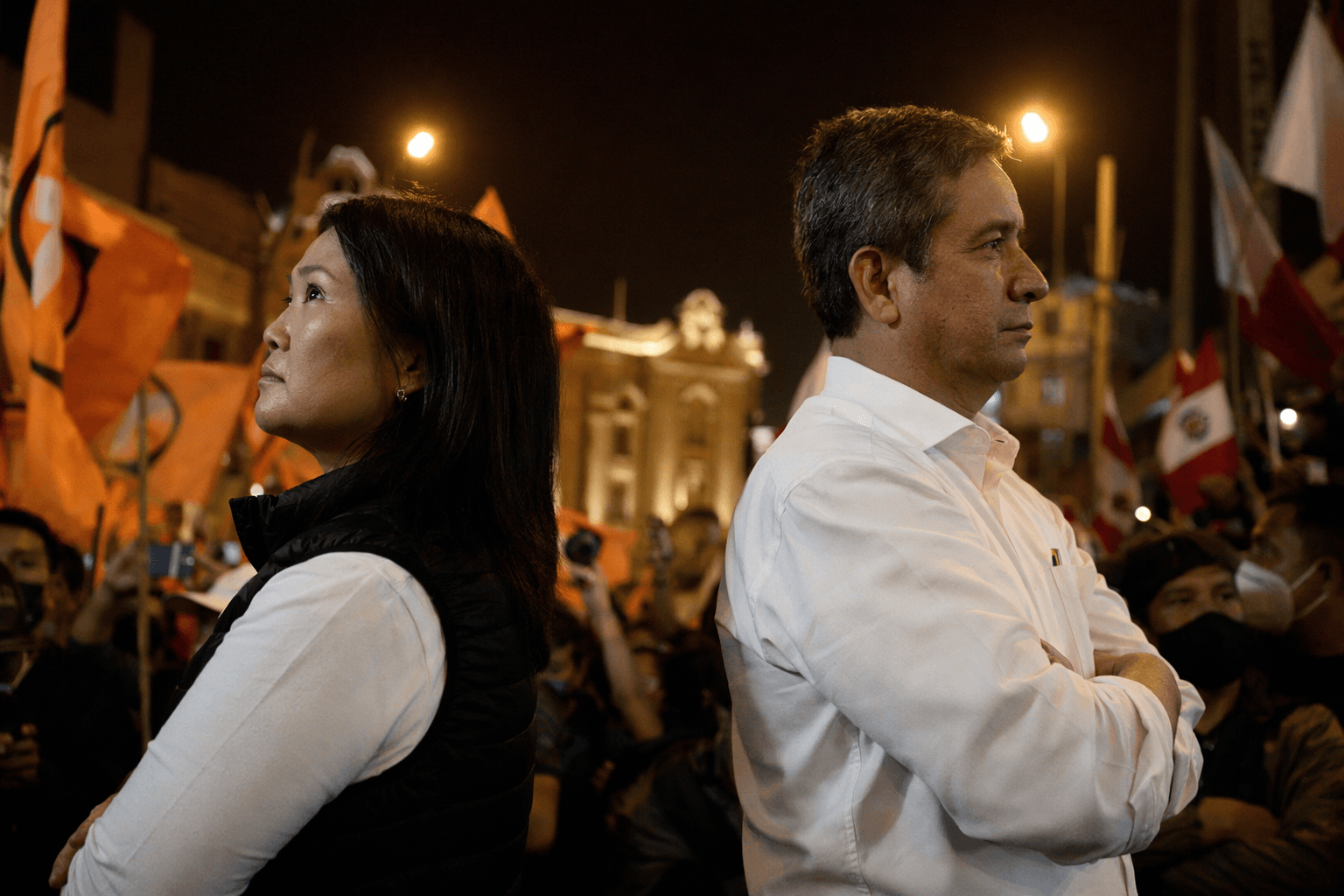
The tie also reflects the deeper divide shaping the contest. Fujimori remains one of Peru’s most polarizing political figures, while Sánchez has emerged as the vehicle for anti-establishment anger in a country where voters have repeatedly punished traditional power. The poll suggests neither candidate yet has a broad governing mandate, leaving the outcome likely to hinge on turnout, coalition-building and whether undecided voters break decisively in the final stretch.
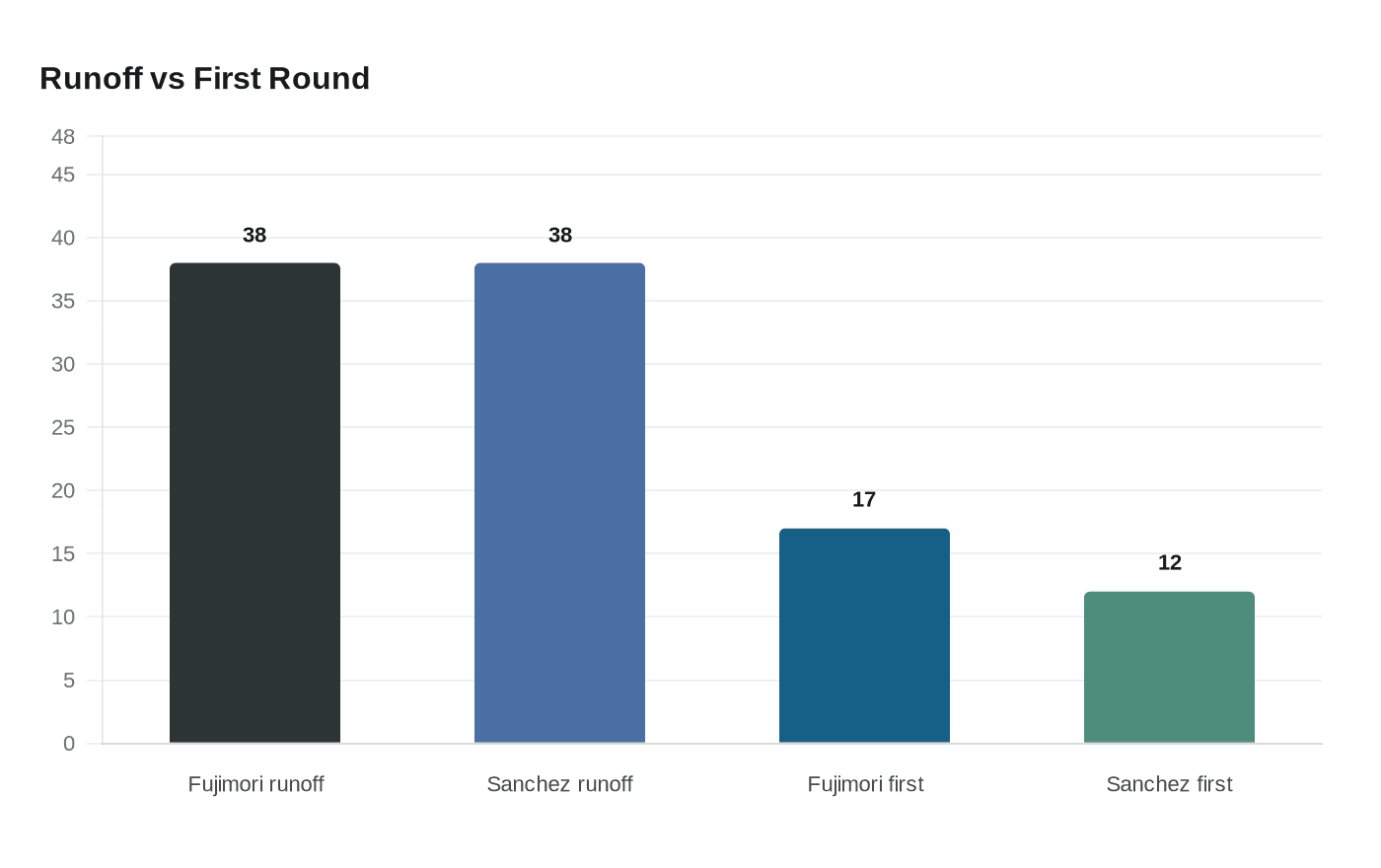
The first-round count exposed just how fragile the race was. With roughly 95.8 percent to 95.89 percent of votes tallied, Reuters reported Fujimori leading on about 17.0 percent, Sánchez on about 12.0 percent and Rafael López Aliaga on about 11.9 percent. López Aliaga trailed Sánchez by around 24,000 votes in the battle for second place and demanded that thousands of ballots be annulled as fraudulent. European Union observers said they found no evidence supporting those claims.
The institutional fallout has deepened the sense of instability. Piero Corvetto resigned on April 21 as head of Peru’s National Office of Electoral Processes, and the National Jury of Elections later unanimously ruled out complementary elections. The Organization of American States’ Electoral Observation Mission, which said it deployed 96 observers and specialists from 22 nationalities across all 24 departments of Peru, plus Callao and four cities abroad, has kept a close watch on a process already strained by logistics and suspicion.
Peru’s electorate now numbers more than 27.3 million voters, and the stakes are unusually high after a turbulent five-year stretch that brought Pedro Castillo’s victory in 2021, his attempted self-coup in 2022 and the rise of interim President José María Balcázar on February 18, Peru’s ninth president in 10 years. For Fujimori, a tie with Sánchez keeps alive the prospect of a fourth consecutive runoff and another chance to convert a powerful name into power. For Peru, it signals something larger: another election that may resolve a contest without resolving the country’s political fracture.
This article was produced by Prism’s automated news system from verified source data, official records, and press releases, then run through automated quality and moderation checks before publishing. The system is built and supervised by the people who set the standards it runs under. Read our full AI policy.
Did this article answer your question?


