Keli Holiday detained at US-Canada border, cancels final North American show
Keli Holiday was held at the US-Canada border and blocked from re-entering the United States, cancelling his final North American date in Brooklyn. The denial fueled speculation over politics, visas and border discretion.
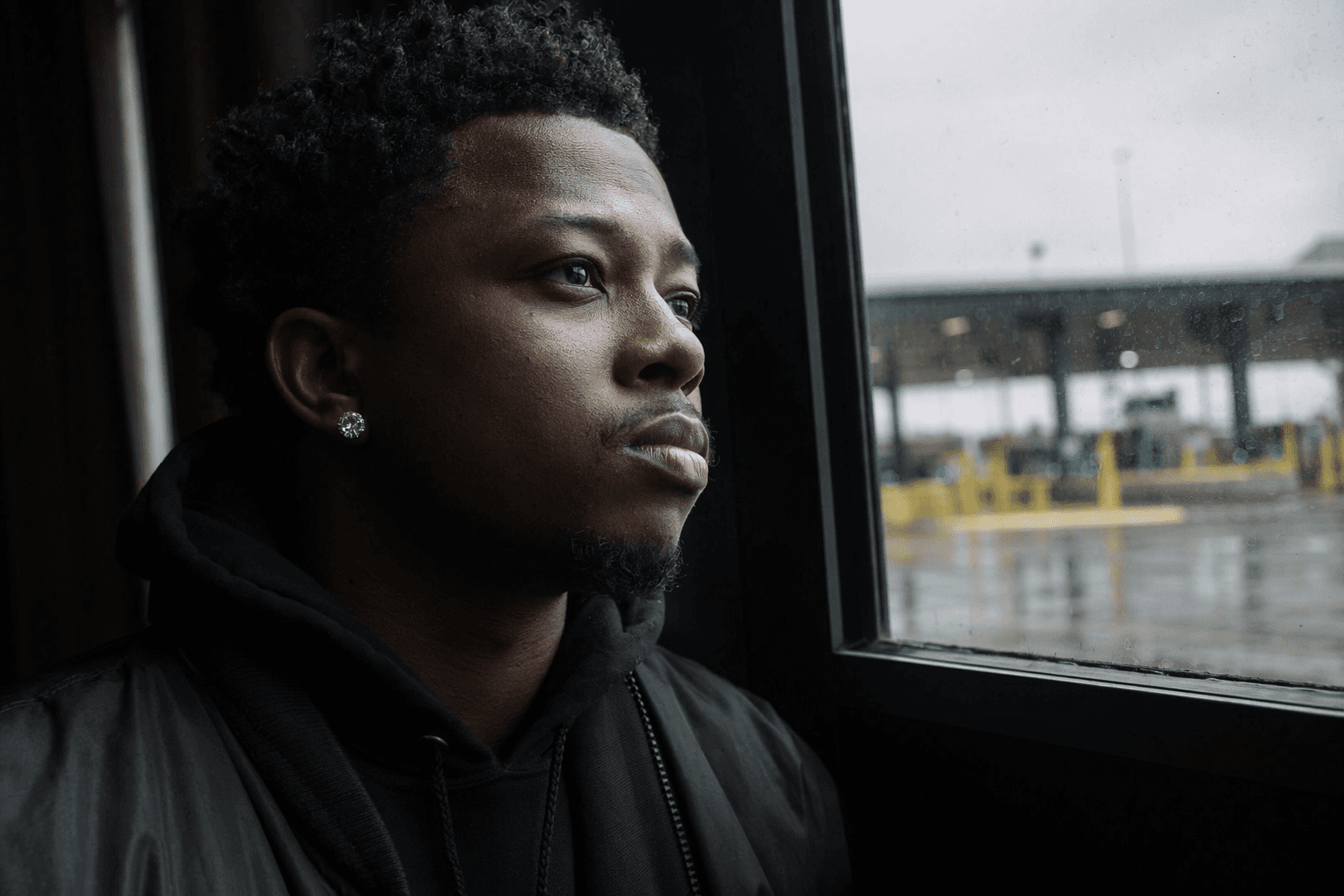
Adam Hyde, who performs solo as Keli Holiday and is one half of Peking Duk, said he spent the day detained at the Canadian border and was denied re-entry into the United States despite carrying the proper visa documentation. The decision forced him to cancel his planned final North American show at Baby’s All Right in Brooklyn, New York, ending a run that had been billed as his first solo tour in the region.
Holiday had just played Toronto before attempting to cross back into the United States, and he said members of his touring party also had their visas revoked. The reason for the denial has not been publicly confirmed, leaving the episode to sit at the intersection of routine border enforcement and the far more sensitive question of how much discretion U.S. officials exercise when foreign performers arrive with political baggage attached.
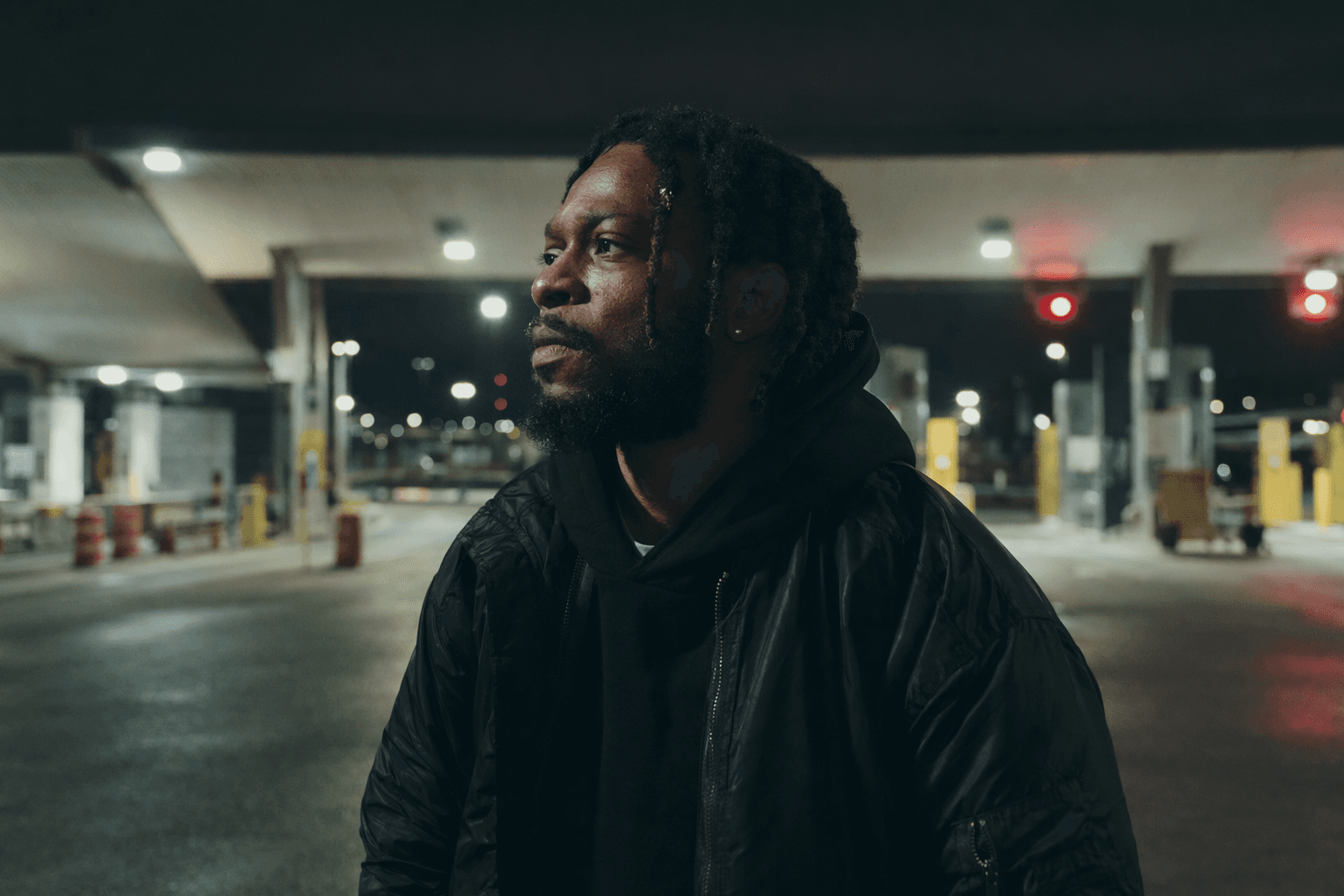
At the border, that discretion is broad. A valid visa does not guarantee admission, and officers can refuse entry if they believe a traveler is inadmissible under U.S. immigration law. In Holiday’s case, no public explanation has tied the decision to a specific statute, inspection finding or security concern, but the silence itself has intensified scrutiny of how border authorities handle artists whose public profiles spill into politics.
The incident drew added attention because Holiday is in a relationship with Australian media personality Abbie Chatfield, who apologised for a resurfaced video she posted more than a year earlier. Chatfield said the clip was meant as a critique of “incels,” not a call to harm Donald Trump, and said Holiday had not known about it before the border stop. That sequence of events helped drive online speculation about whether political speech, even speech made by someone close to an artist, can color an artist’s treatment at the border.
The case lands in a broader U.S. immigration climate that has grown more aggressive about online scrutiny. In 2025, social media vetting was expanded for some visa applicants, and the Trump administration also proposed requiring some visa-waiver travelers to provide five years of social media history before entering the country. For touring musicians, the lesson is blunt: a passport, a visa and a full tour calendar still may not survive the final decision at the border, where U.S. discretion can override even a carefully planned international run.
This article was produced by Prism’s automated news system from verified source data, official records, and press releases, then run through automated quality and moderation checks before publishing. The system is built and supervised by the people who set the standards it runs under. Read our full AI policy.
Did this article answer your question?