Kennedy Center weighs full closure or limited programming amid renovation dispute
The Kennedy Center could shut down, slim down, or keep staging shows as its board weighs repairs, a decision that will shape access, payroll and the resident arts calendar.

The Kennedy Center is now facing a blunt choice that will decide whether audiences keep walking through its doors, performers keep working on its stages, and resident arts groups keep their schedules intact. The Trump administration told a federal judge it is still weighing a full slate of performances, a partial reopening with limited programming, or a phased shutdown plan, leaving the institution’s near-term cultural life unsettled.
That uncertainty follows U.S. District Judge Christopher Cooper’s order on May 29 blocking the planned closure and requiring the administration to explain how it would handle public access and ongoing programming after July 5, the date the center had planned to begin shutting down. Cooper also ordered President Donald Trump’s name removed from the building facade, website and other materials within 14 days, after finding the board acted unlawfully in adding it to the official title. He called the closure plan “ill-informed and seemingly preordained” and said the board had been “derelict” in approving it.
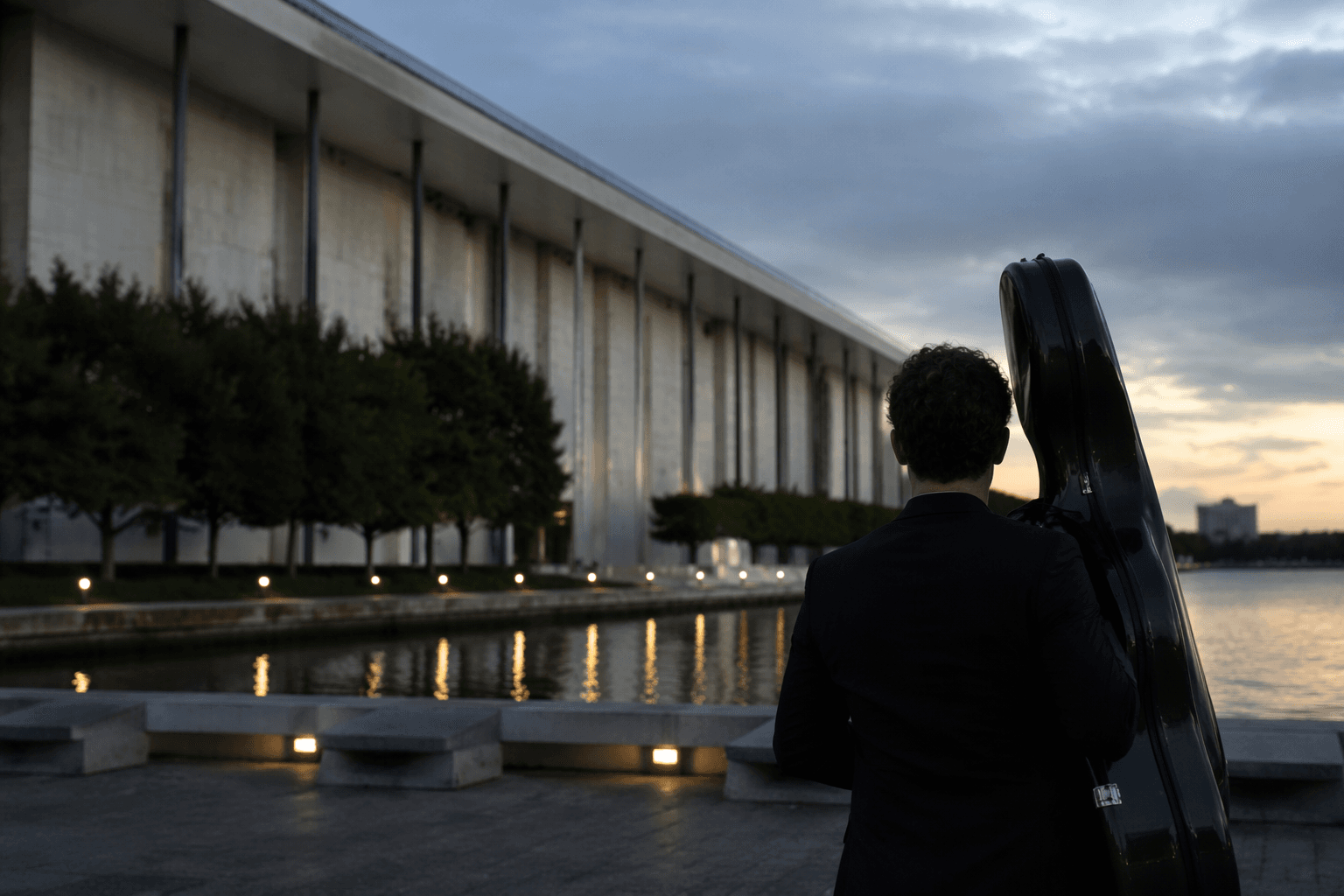
In a Friday filing, Kennedy Center Executive Director Matt Floca said the board plans to meet in mid-July to choose among three options: a “full closure” with no public programs so repairs can proceed, a “partial closure” with “some continued public access and limited programming,” or a “coordinated series of phased closures” with more programming. The Justice Department asked for more time to respond, saying the center is still deciding how to proceed and that capital repair work can continue even with the shutdown blocked.
For performers and staff, the stakes are immediate. A full closure would wipe out public programming altogether while the building is repaired. A partial closure would preserve some access but likely force cancellations, scaled-back runs and frequent rescheduling across a calendar that already has been thrown into doubt. Resident organizations, which depend on predictable rehearsal space, ticket sales and audience traffic, would have to plan around a moving target instead of a stable season.
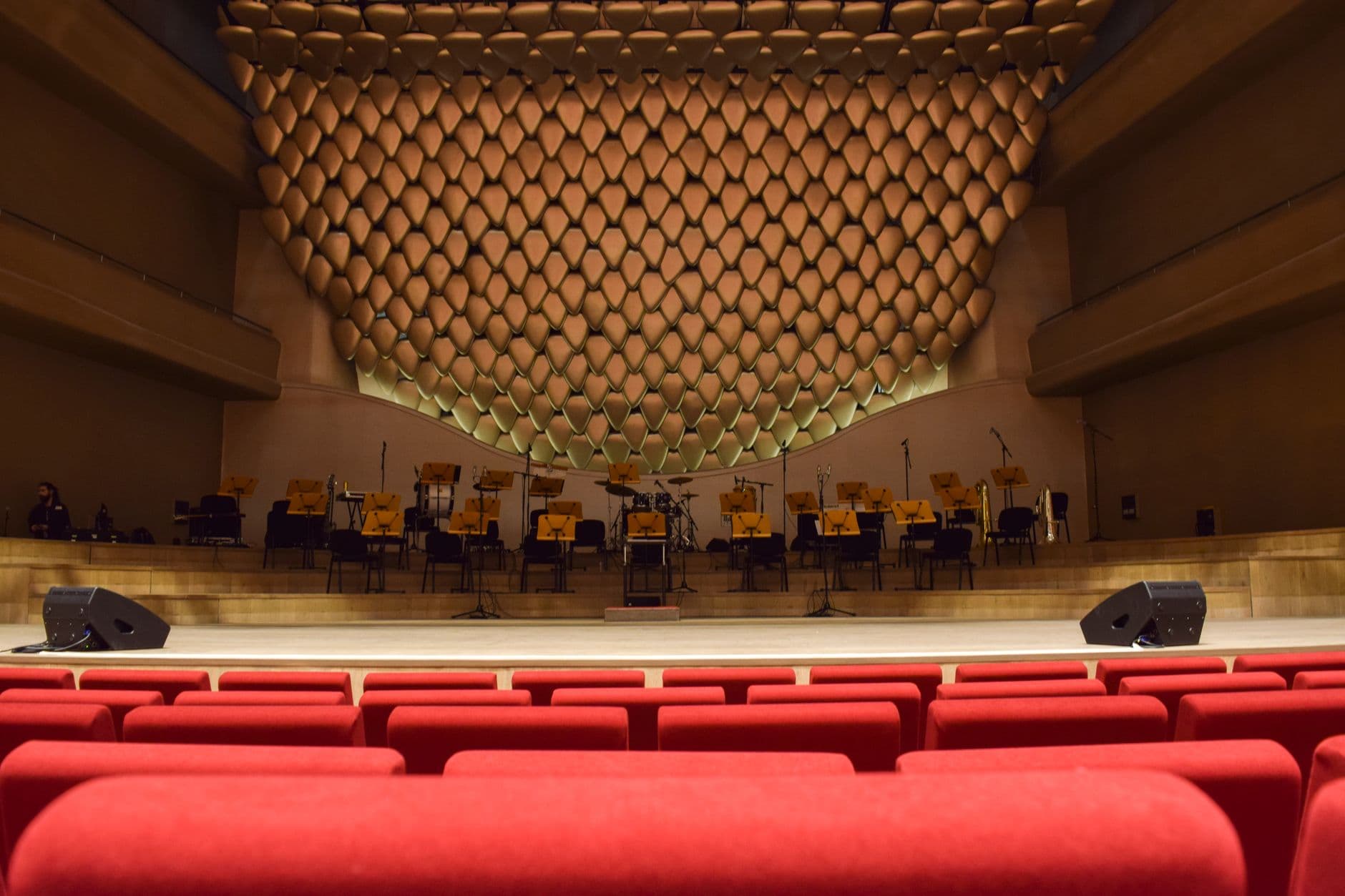
The dispute grew out of a March 16 vote by the board to shut down operations for two years after July 4 celebrations. Rep. Joyce Beatty, an Ohio Democrat and ex officio trustee, sued after she was stripped of her voting rights at that meeting. Her lawyers say the administration has already “gutted” the center’s programming and is trying to “turn the Kennedy Center into a lifeless husk.” Trump, after Cooper’s ruling, said on Truth Social that he wanted Congress to take responsibility for the institution unless he could do what he does best, and later said the government would work with Congress to transfer the center back.
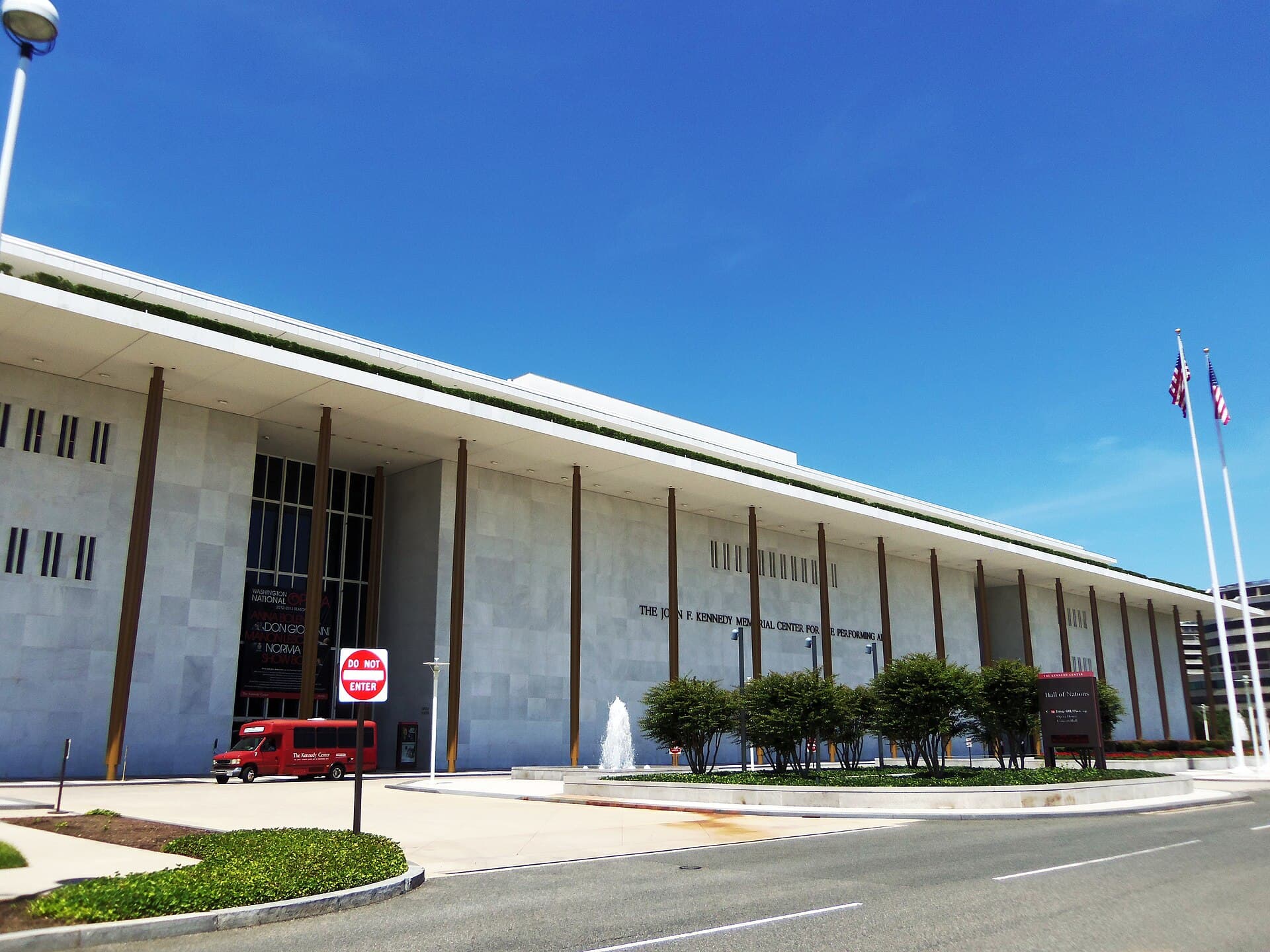
For now, the institution remains open in legal limbo, with its public role, repair schedule and artistic identity all waiting on the mid-July board meeting.
This article was produced by Prism’s automated news system from verified source data, official records, and press releases, then run through automated quality and moderation checks before publishing. The system is built and supervised by the people who set the standards it runs under. Read our full AI policy.
Know something we missed? Have a correction or additional information?
Submit a Tip