Kenya transport protests turn deadly as fuel costs soar
Four people were killed and 348 arrested as Kenya's fuel-price shock emptied roads, stranded commuters and spread pressure from matatus to schools and shops.
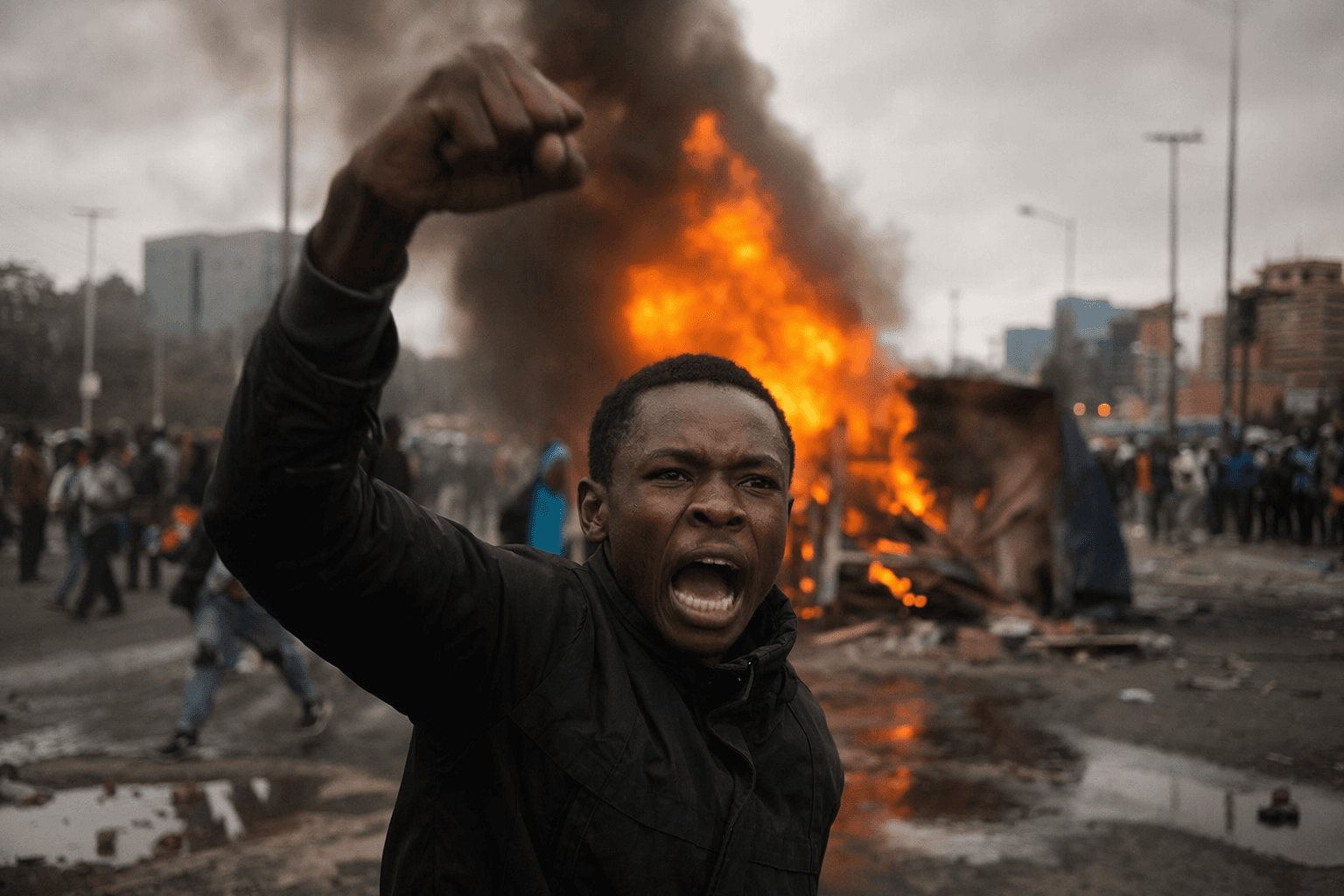
A fuel-price shock that began with matatu operators walking off the job left at least four people dead and more than 30 injured, turning a dispute over transport costs into a broader test of Kenya’s economic and political strain.
Public transport vehicles stayed off the roads after the Transport Sector Alliance said on Sunday that member vehicles would stop operating from midnight. The shutdown quickly rippled across the country, with thousands of commuters stranded as protesters blocked highways, lit bonfires and tried to stop private vehicles and motorbike taxis in Nairobi, Mombasa, Nakuru, Eldoret and Nyeri. Security forces were deployed in several hotspots as confrontations with police escalated. Interior Minister Kipchumba Murkomen said 348 people were arrested.
The immediate trigger was a sharp increase in fuel prices, including a 23.5 percent jump in diesel after a 24.2 percent rise the previous month. The Kenya Energy and Petroleum Regulatory Authority said the increase reflected global oil shocks tied to instability in the Middle East and disruption risks around the Strait of Hormuz, while Finance Minister John Mbadi said the current prices were already subsidised. Transport operators rejected that argument and demanded a lower fare burden, with representatives pressing for diesel to fall to 46 shillings per litre.
The damage spread far beyond the transport sector. Schools switched to online learning after safety concerns, businesses closed early and roads into Nairobi’s central business district were unusually empty. The Kenya National Chamber of Commerce and Industry warned that higher fuel costs would push up the price of goods and services nationwide, raising the pressure on households already facing inflation and poverty. The disruption hit commuters first, then food delivery routes, then shop shelves and household budgets, tracing the same chain reaction that has made fuel prices a political flashpoint.
A late-Monday meeting between transport and energy ministers and operators produced little breakthrough. Protesters continued to frame the unrest as a fight over whether government was listening to ordinary Kenyans, with one saying, “They do not want to listen to the citizens when we say the prices are too high.”

The unrest came amid wider anger over the cost of living and Kenya’s dependence on imported fuel from the Middle East, much of it bought through government-to-government deals with Gulf suppliers. On Tuesday, the government said the transport strike would be suspended for one week to allow further talks, a pause that may ease the streets but not the economic pressure behind them.
This article was produced by Prism’s automated news system from verified source data, official records, and press releases, then run through automated quality and moderation checks before publishing. The system is built and supervised by the people who set the standards it runs under. Read our full AI policy.
Did this article answer your question?


