Kenya weighs new crackdown on second-hand clothing imports
Kenya is again weighing tougher action on mitumba, but a past crackdown showed how fast consumer backlash and U.S. trade pressure can derail it.
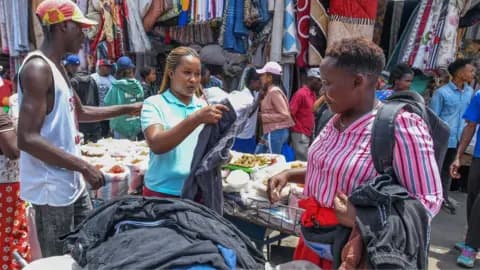
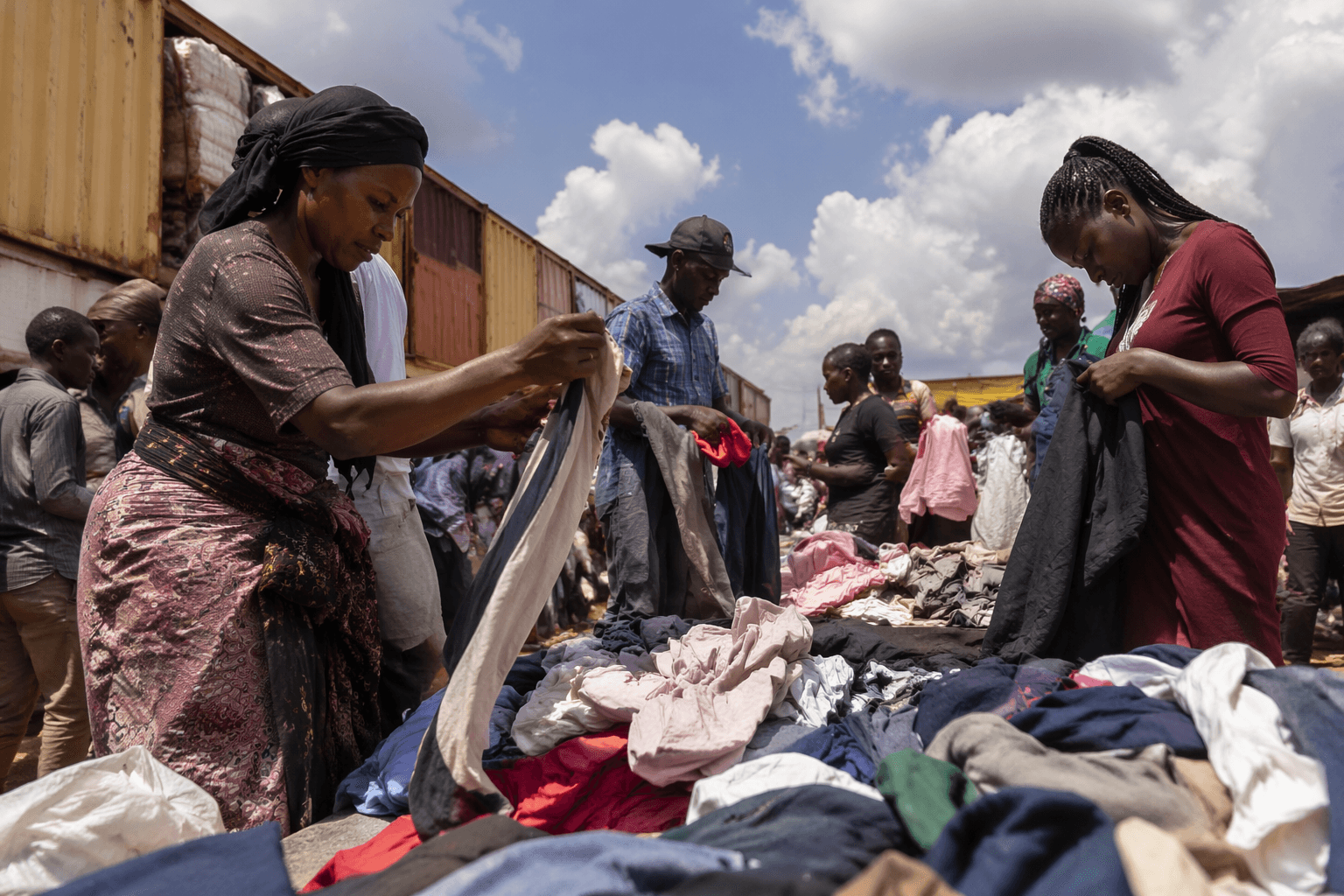
Kenya’s latest talk of tightening rules on second-hand clothes runs into the same problem that has haunted East Africa for years: mitumba is politically easy to attack and economically hard to replace. The trade feeds low-cost wardrobes, sprawling informal markets and thousands of small traders, even as policymakers argue that cheap imports are choking domestic textile manufacturing.
Kenya already applies a 30% customs duty on used clothing, yet it remains Africa’s biggest importer of second-hand garments. The country brought in almost 180,000 tonnes in 2022, a 76% jump from 2013. Recent trade reporting has also said China was Kenya’s main source of those garments in 2023, underscoring how deeply the market is embedded in global supply chains.
The pressure to act has a long regional history. In 2016, the East African Community pledged to phase out used-clothing imports within three years. By March 2017, the U.S. Trade Representative had opened an out-of-cycle review of Rwanda, Tanzania and Uganda over the planned ban, warning that the move was inconsistent with the African Growth and Opportunity Act and would hurt the U.S. used-clothing industry. Rwanda’s AGOA apparel benefits were later suspended on July 31, 2018, after it kept restrictions in place, while Tanzania and Uganda backed down and Kenya escaped suspension after agreeing to reverse tariff changes.

That episode still shadows any Kenyan crackdown. A proposed tax change on mitumba was quickly pulled from the Finance Bill after consumers warned it would push up prices. For many households, used clothing is not a policy abstraction but the cheapest available option, while for traders it is a daily source of income in places like Nairobi’s Gikomba market.
Supporters of tighter controls say the sector undercuts local industry before it can scale. Kenyan designer Zia Bett has argued that local brands cannot compete on price, and in Dar es Salaam designer Elizabeth Paul said a locally made dress can cost 50,000 Tanzanian shillings, roughly the price of many second-hand items. Uganda’s President Yoweri Museveni has made the same case more aggressively, tying the issue to his Buy Uganda Build Uganda push and describing used clothes as a drag on local factories.
But the economics remain stubborn. In Uganda, where a 35% levy on used clothes was imposed in 2017, second-hand garments are still the most sought-after clothing, ahead of imported new items and locally made apparel, according to a 2024 Economic Policy Research Centre study. Uganda Revenue Authority data showed used clothes made up 52.2% of textile-and-clothing import value in the year to June 2023, while the import bill rose from Shs577.6 billion to Shs845.3 billion over four years.
The costs of a tougher Kenyan crackdown would likely fall first on consumers, then on informal traders, many of them women and young people, and only later, if at all, on factory floors. The bigger risk is that restrictions would shift demand toward cheaper Asian imports or simply reroute mitumba across porous EAC borders, repeating a regional battle that has already shown how hard it is to ban what millions can afford.
This article was produced by Prism’s automated news system from verified source data, official records, and press releases, then run through automated quality and moderation checks before publishing. The system is built and supervised by the people who set the standards it runs under. Read our full AI policy.
Did this article answer your question?

