Kenyan celebrities fuel boom in weight-loss and cosmetic procedures
High-profile Kenyan influencers are driving demand for GLP-1 drugs and cosmetic surgery, stretching private clinics and sparking health and regulation concerns.
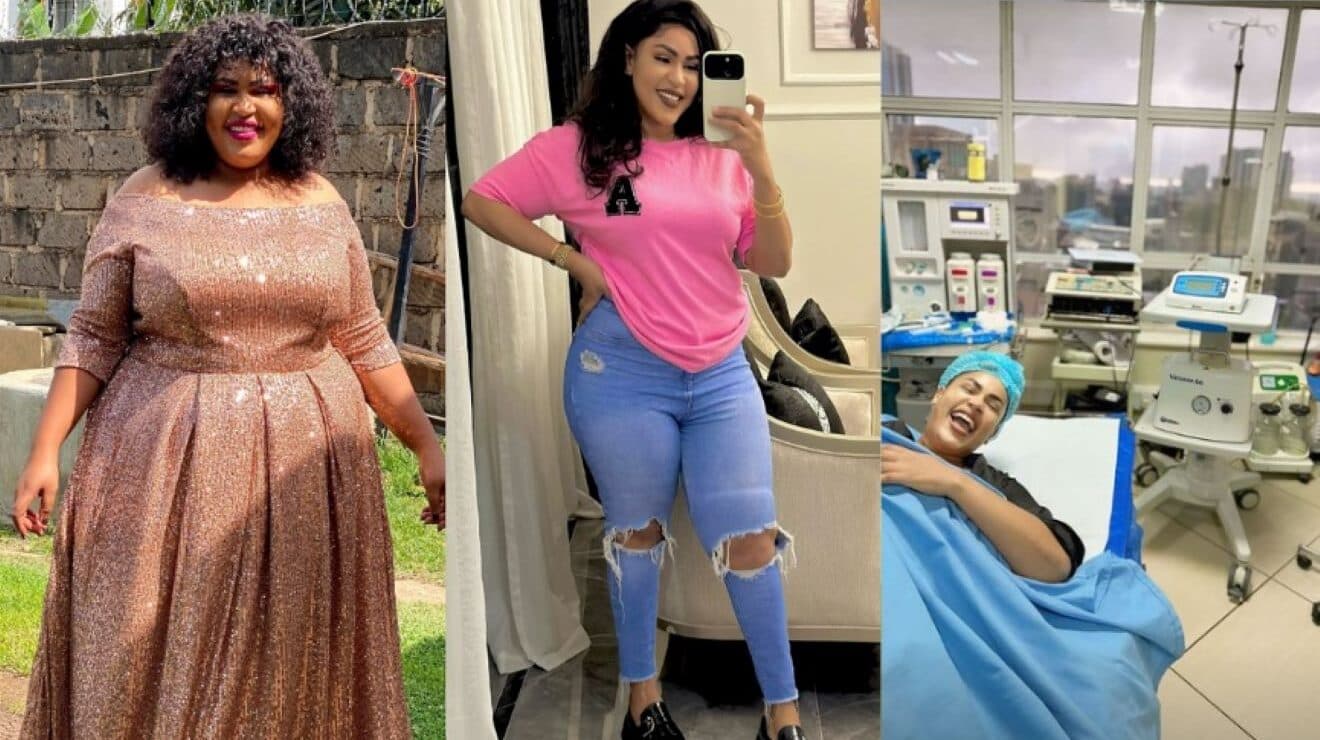
High-profile Kenyan influencers and entertainers have helped turn cosmetic procedures and prescription weight-loss treatments into a fast-growing consumer industry, reshaping private healthcare spending in Nairobi and other urban centers. Clinics report surging demand for injectable appetite suppressants, body-contouring procedures and noninvasive aesthetic services as younger, social-media-connected clients seek rapid results.
The new market is anchored by global products that reached mainstream attention in recent years. Semaglutide and other GLP-1 medications originally developed for diabetes are being prescribed off-label or imported for weight loss, while fillers, liposuction and laser treatments remain popular. The global anti-obesity drug sector became a multibillion-dollar business in the early 2020s, and that momentum is filtering into East Africa as clinics and pharmacies respond to rising consumer interest.
Kenya’s demographic profile helps explain the shift. With a median age of about 20 years, the country has a large cohort of digitally engaged young adults who view beauty and body shape through social-media norms and celebrity influence. That cohort is also increasing out-of-pocket spending on private health and lifestyle services, prioritizing rapid cosmetic results over traditional wellness measures. Private clinics are expanding appointment books and marketing premium packages that bundle weight-loss injections with skin and body treatments.
The economic implications are severalfold. For private providers, the boom creates revenue growth and justifies investment in equipment and specialist staff. For the broader health system, the trend diverts household spending toward elective procedures and branded pharmaceuticals that often fall outside insurance coverage, reinforcing a dual public-private market. Medical tourism is beginning to shift regionally, with some Kenyan clinics reporting clients from neighboring countries seeking procedures priced below those in South Africa or parts of Europe.
Public health advocates and clinicians raise concerns about safety, access and messaging. Many weight-loss treatments require medical oversight over months, and unregulated supply channels risk improper dosing and counterfeit products. Cosmetic procedures carry their own complications when performed by inadequately trained practitioners. Health professionals warn that the focus on quick cosmetic fixes can overshadow preventive measures such as nutrition, exercise and chronic disease management that have broad population benefits.

Regulatory gaps are immediate and practical. Prescription controls, standards for aesthetic practice and advertising rules for influencers all interact with consumer demand. Without clearer guidance and inspection capacity, regulators face the choice between tightening restrictions, which would raise compliance costs for clinics, or allowing a loosely regulated market that could increase adverse outcomes and enforcement burdens later.
Longer term, the trend speaks to cultural and economic shifts. Rising disposable incomes in urban Kenya, thicker markets for branded cosmetics and pharmaceuticals, and transnational celebrity culture are aligning to normalize elective medical consumption. That normalization can sustain demand, but it may also entrench inequalities: wealthier urban consumers will access the latest treatments while lower-income populations remain tied to underfunded public services.
The immediate policy task is concrete: implement licensing standards for aesthetic clinics, enforce prescription pathways for GLP-1 therapies, and require transparent advertising when celebrities promote medical products. Without those measures, the boom in treatments may deliver short-term profits and photo-ready transformations while producing longer-term strains on patient safety and public-health priorities.
This article was produced by Prism’s automated news system from verified source data, official records, and press releases, then run through automated quality and moderation checks before publishing. The system is built and supervised by the people who set the standards it runs under. Read our full AI policy.
Did this article answer your question?


