Kevin Klose, former NPR president who guided network growth, dies at 85
Kevin Klose, who led NPR’s expansion from 1998 to 2008, died at 85. His tenure brought a landmark Joan Kroc gift and a stronger political footing for public broadcasting.
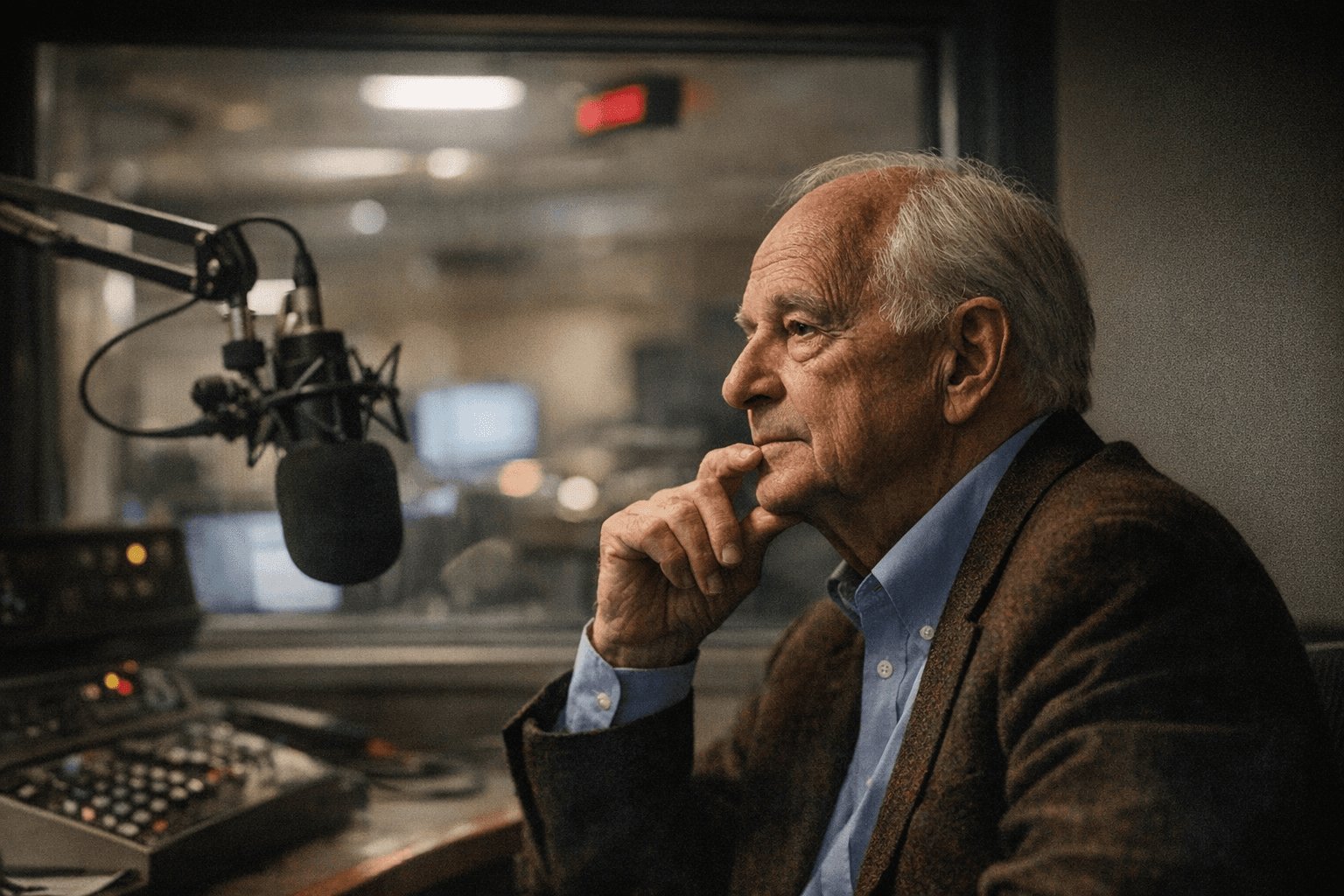
Kevin Klose, the executive who helped turn NPR into a national force in American broadcasting, died Wednesday morning in his sleep from complications of Alzheimer’s disease. He was 85.
Klose led NPR for a decade after joining the network in December 1998, a period when the public broadcaster expanded sharply and moved into the top ranks of major U.S. networks. Robert Siegel, the longtime “All Things Considered” host, later captured the scale of that achievement with a blunt assessment: “There used to be a belief in some quarters that the job of president of NPR was too large to handle, except for the example of Kevin Klose.”
Under Klose, NPR’s reach widened alongside its ambitions. The organization later described its network as serving more than 1,000 public radio stations, a scale that reflected how deeply NPR had become embedded in local and national news coverage. Klose’s presidency also came with an editorial and institutional challenge that reached beyond programming: he worked to improve NPR’s relations with members of Congress and to restore federal support for public broadcasting, a reminder that the network’s growth depended as much on political credibility as on audience demand.
Financially, one of the most important moments of Klose’s tenure came with the late Joan Kroc’s multimillion-dollar gift to NPR, reported at the time as $200 million. The money helped the network weather financial crises and gave it a sturdier base at a moment when public media was still proving its business model. Kroc also left a $5 million bequest to KPBS in San Diego, underscoring how one donor’s philanthropy touched multiple public broadcasters. At the time, NPR’s annual operating budget was about $100 million, which made the Kroc gift a transformative cushion.
Before arriving at NPR, Klose had already held senior posts in international broadcasting, serving as director of U.S. International Broadcasting and as president of Radio Free Europe/Radio Liberty. Those jobs placed him at the center of communications strategy during a period when information, credibility and public service were intertwined.
Klose’s legacy endures in the institution he helped scale up and stabilize. His tenure showed how nonprofit journalism could grow into a national system without losing sight of public trust, congressional support and diversified funding, questions that still define public media’s future.
This article was produced by Prism’s automated news system from verified source data, official records, and press releases, then run through automated quality and moderation checks before publishing. The system is built and supervised by the people who set the standards it runs under. Read our full AI policy.
Did this article answer your question?