Kevin Pina scores Cape Verde’s first World Cup goal against Uruguay
Kevin Pina’s 21st-minute free kick gave Cape Verde its first World Cup goal and a shock lead over Uruguay. The debutants kept reshaping an open Group H.
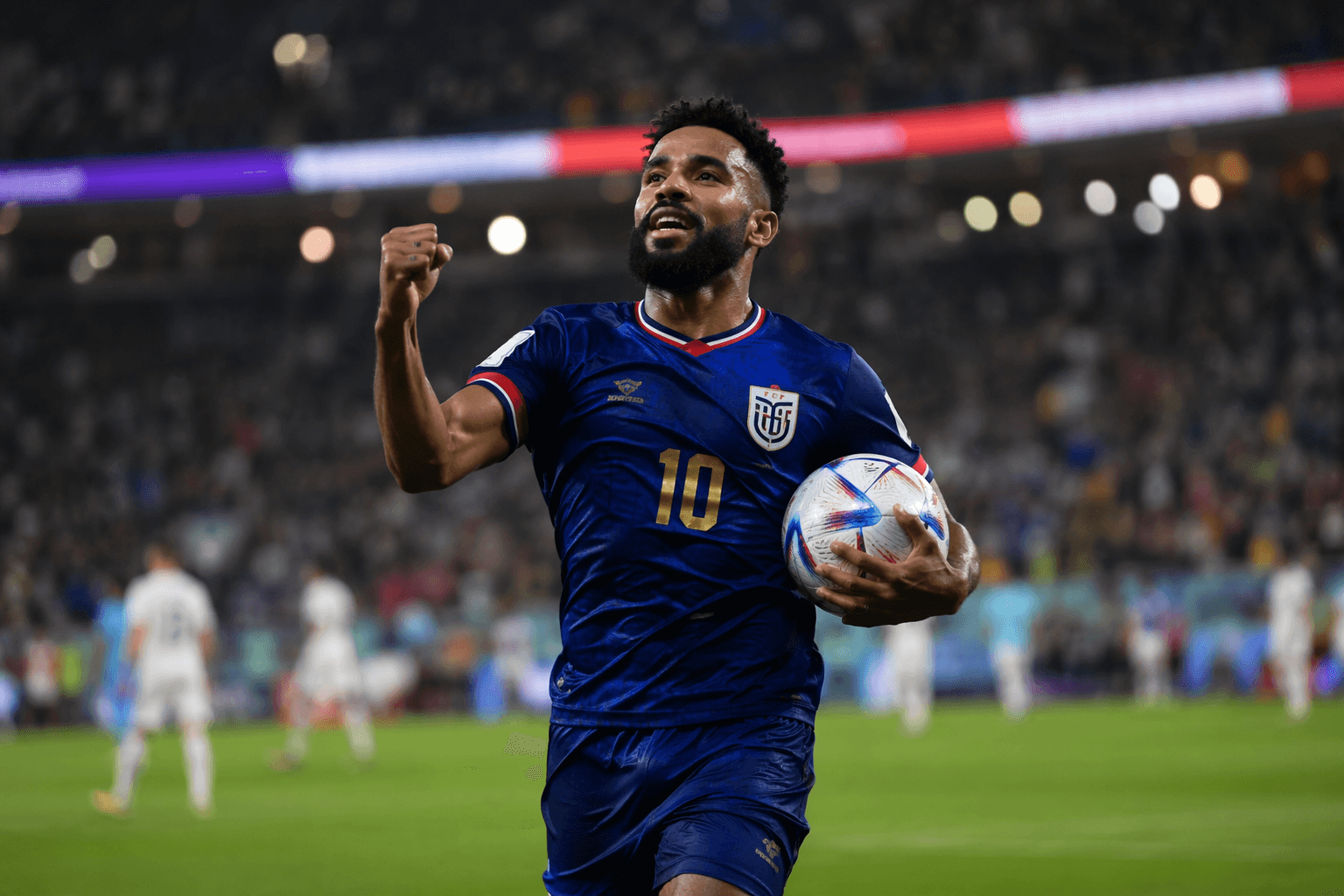
Kevin Pina gave Cape Verde something no player from the country had ever delivered on World Cup soil: its first goal. The midfielder’s direct free kick in the 21st minute at Hard Rock Stadium in Miami Gardens, Florida, put the debutants ahead 1-0 against two-time world champions Uruguay and changed the atmosphere of a match that had already carried real weight for Cape Verde’s first appearance at the tournament.
The goal mattered as history, but it also mattered as leverage. Cape Verde entered the game after holding Spain to a 0-0 draw in its opening Group H match, a result that had already announced the team as more than a passive newcomer. By scoring first against Uruguay, Cape Verde forced a different kind of contest: Uruguay, one of the most experienced sides in the group, had to react to a team that had come to the World Cup to compete, not simply participate.
That shift altered the tactical and psychological balance immediately. A Cape Verde side that had been expected to absorb pressure suddenly had a lead to protect, while Uruguay had to chase the game against opponents who had already shown discipline against Spain. In a short tournament, that kind of advantage can reshape a group stage match as surely as it changes the scoreboard. For Cape Verde, the free kick was not only a strike of technique; it was a statement that the debutants could punish elite opposition from distance and from set pieces.
Group H had already been described as wide open, with Spain, Saudi Arabia, Uruguay and Cape Verde all fighting for places in the new round-of-32 format, where the top two teams in each group advance along with the best third-placed teams. Cape Verde’s start made that race more unpredictable, because results against established powers no longer looked like upsets to survive. They became points to claim.
For a country making its World Cup debut, the first goal carried a significance that reached beyond one match in Miami. It showed how quickly the tournament’s competitive balance can widen, and how a single free kick can turn a presumed underdog into a live threat in a group that still had everything to play for.
This article was produced by Prism’s automated news system from verified source data, official records, and press releases, then run through automated quality and moderation checks before publishing. The system is built and supervised by the people who set the standards it runs under. Read our full AI policy.
Know something we missed? Have a correction or additional information?
Submit a Tip