Keychron K10 HE accepts some non-Gateron HE switches in test
A user swapped Glorious Panda HE Silent tactiles into a K10 HE and reported full function; this suggests some K10 HE units accept non-Gateron double-rail HE switches. Verify fit and test cautiously.
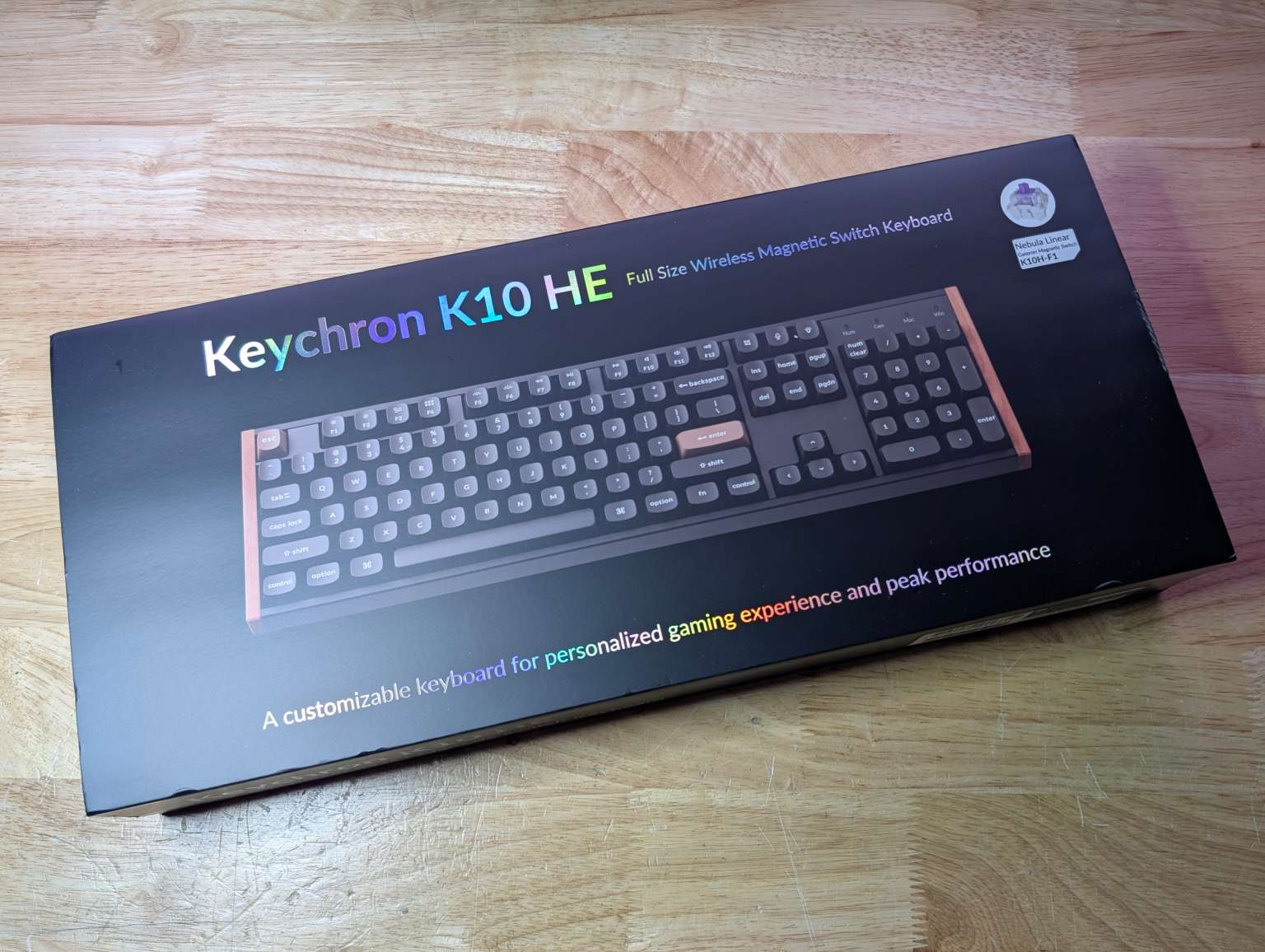
A community member posted a hands-on compatibility test on January 18, 2026, showing a Keychron K10 HE working with Glorious Panda HE Silent tactile switches in place of the stock Gateron double-rail magnetic switches. The board registered keypresses, actuation-point adjustment behaved as expected, and the OP reported no immediate issues, challenging the manufacturer compatibility guidance that favors Gateron double-rail designs.
That practical test matters because Hall-effect and magnetic switch keyboards have tighter mechanical and electrical constraints than typical MX-style hot-swap boards. Keychron’s published guidance limits recommended switches to specific double-rail layouts for a reason: PCB pin spacing, top-mount tolerances, and magnet alignment can all affect sensor registration and stability. The OP’s success shows that those constraints are not absolute on every unit, but community responders stressed variability and caveats.
Replies in the thread highlighted likely failure modes. Some users pointed to marginal tolerance differences between switch makers, small height or mounting offsets that can create poor seating or misalignment, and PCB batch tolerances that change how well a given switch mates to a given board. Several noted that in borderline cases a thin shim or microscopic spacing adjustment can correct an offset, while other cases may never fully engage the double-rail contact or may produce unreliable actuation timing. In short, the real-world outcome depends on the specific keyboard batch, the particular switch batch, and how strictly the PCB was laid out.

For anyone planning a swap, treat this report as community data rather than a guarantee. Test one switch first and verify actuation and stability before converting a full board. Keep the original switches and mounting parts handy in case you need to revert. Be prepared to try shims or gentle mechanical adjustments if you see small height or alignment mismatches. If your K10 HE has firmware or actuation-point tuning, verify those settings after a swap to confirm the Hall-effect sensors behave as expected.
This type of user testing is valuable to the community because it adds empirical coverage where manufacturer's compatibility lists are conservative. It expands the practical knowledge base about which HE and magnetic switches might work across different boards. Expect more reports to refine where limits lie; until then, proceed carefully, test thoroughly, and budget for minor mechanical tweaks when experimenting with non-Gateron HE switches.
Sources:
Know something we missed? Have a correction or additional information?
Submit a Tip