Khamenei demands end to U.S. military bases in Middle East
Khamenei’s call to end U.S. bases lands as Iran shows it can hit Gulf airfields, oil routes and the largest American base in the region.
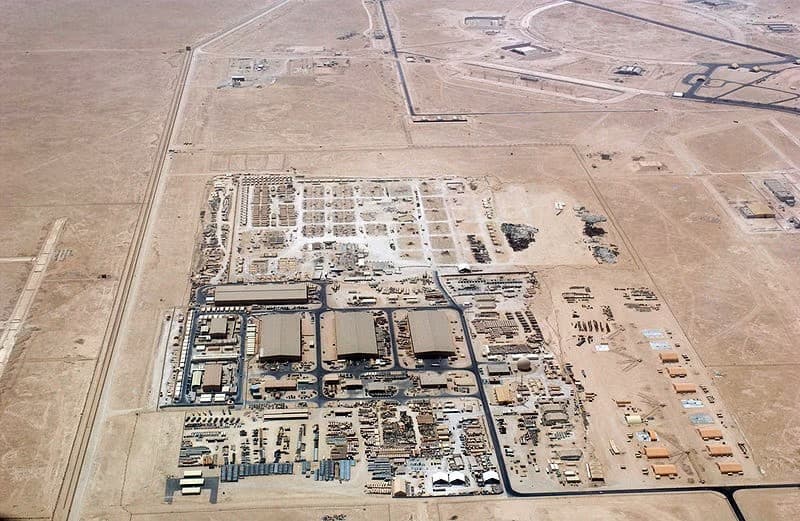
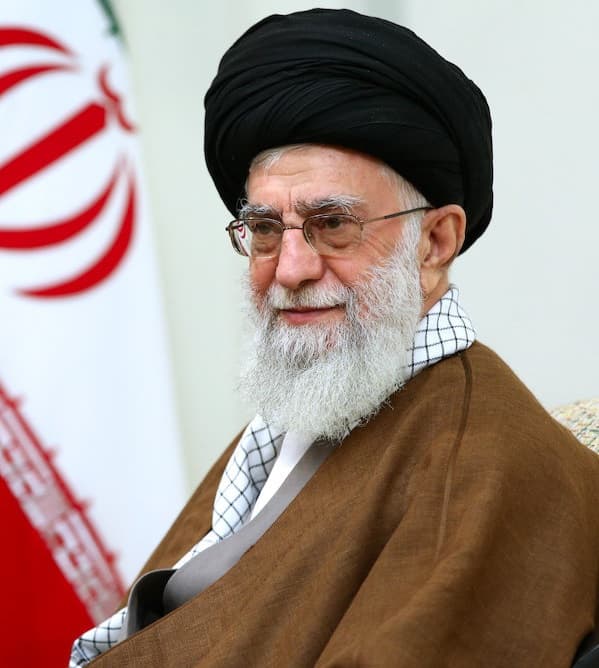
Ali Khamenei’s demand to end U.S. military bases in the Middle East was aimed well beyond the courtroom rhetoric of Tehran. It spoke to Iranian hard-liners at home, to regional partners and militias watching for cues, and to Washington, which has built its Gulf posture around a network of bases that Iran has already shown it can reach.
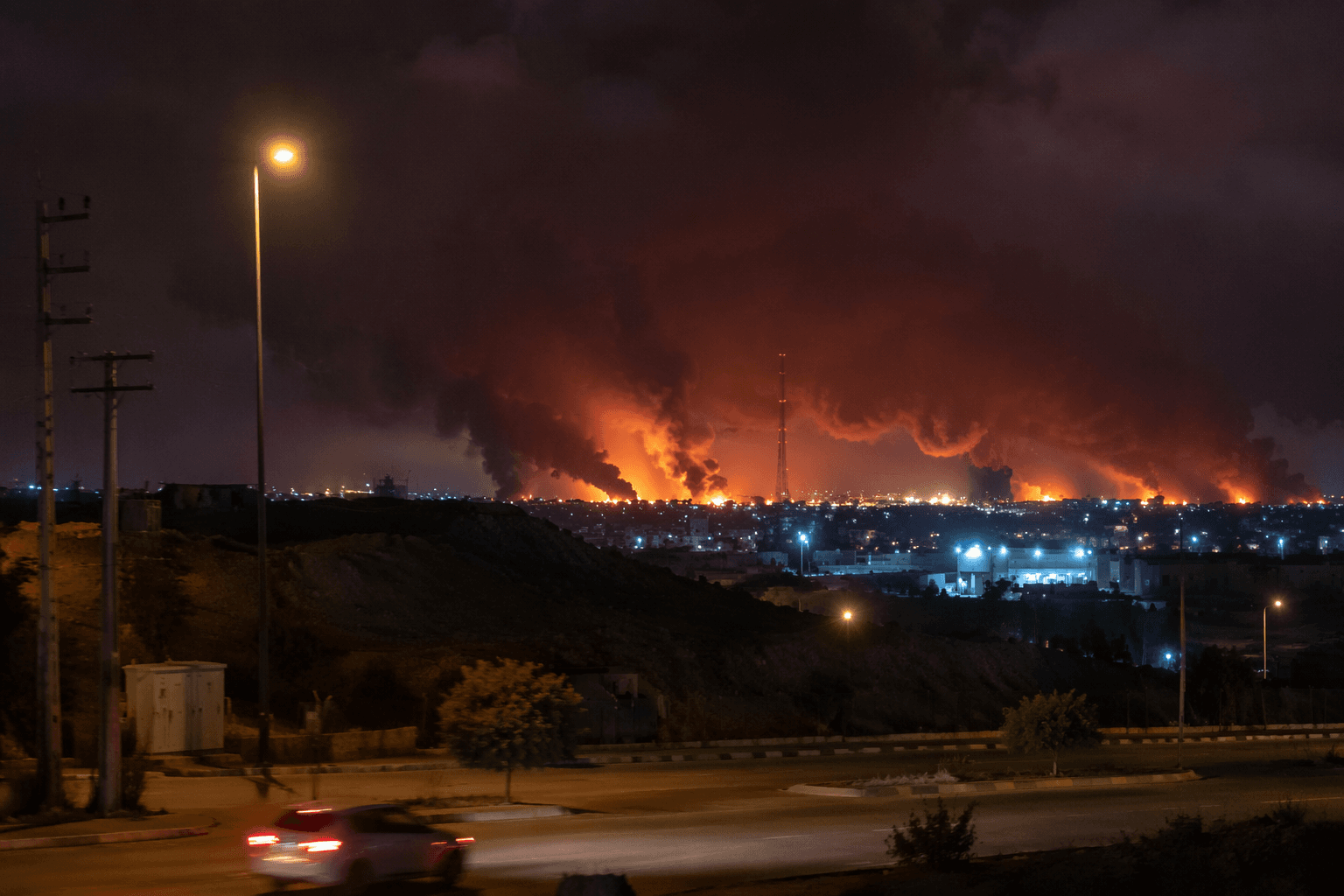
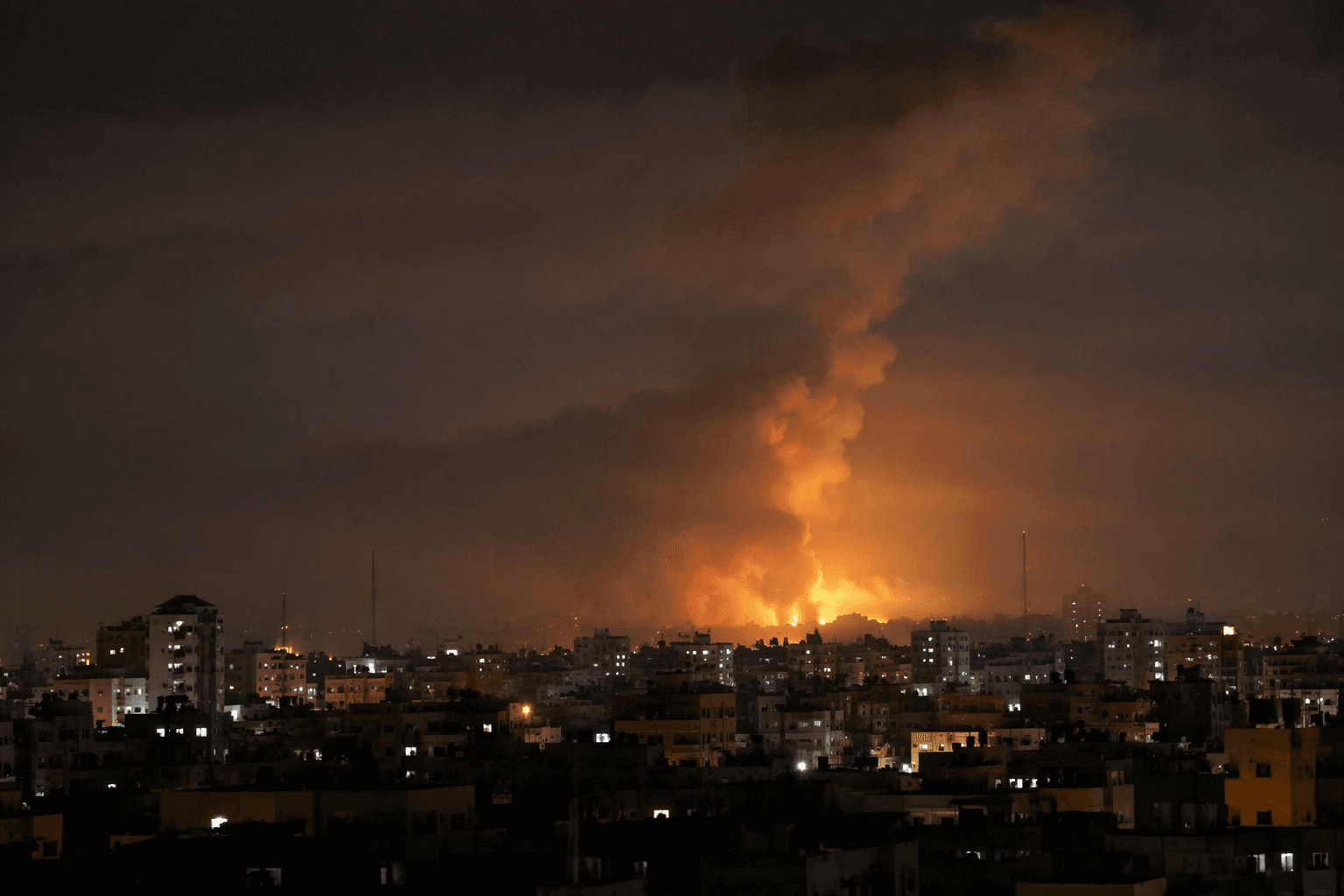
The message was sharpened by the June 2025 war, described as the most serious escalation since the current conflict began. After U.S. strikes on Iranian nuclear facilities on June 22, Iran answered with a missile attack on Al Udeid airbase in Qatar on June 23, the largest U.S. military base in the Middle East. Iran has also targeted U.S. assets across Bahrain, Kuwait, Qatar and the United Arab Emirates, showing that American forces and the host countries that shelter them sit inside the same strike envelope if the fighting widens.
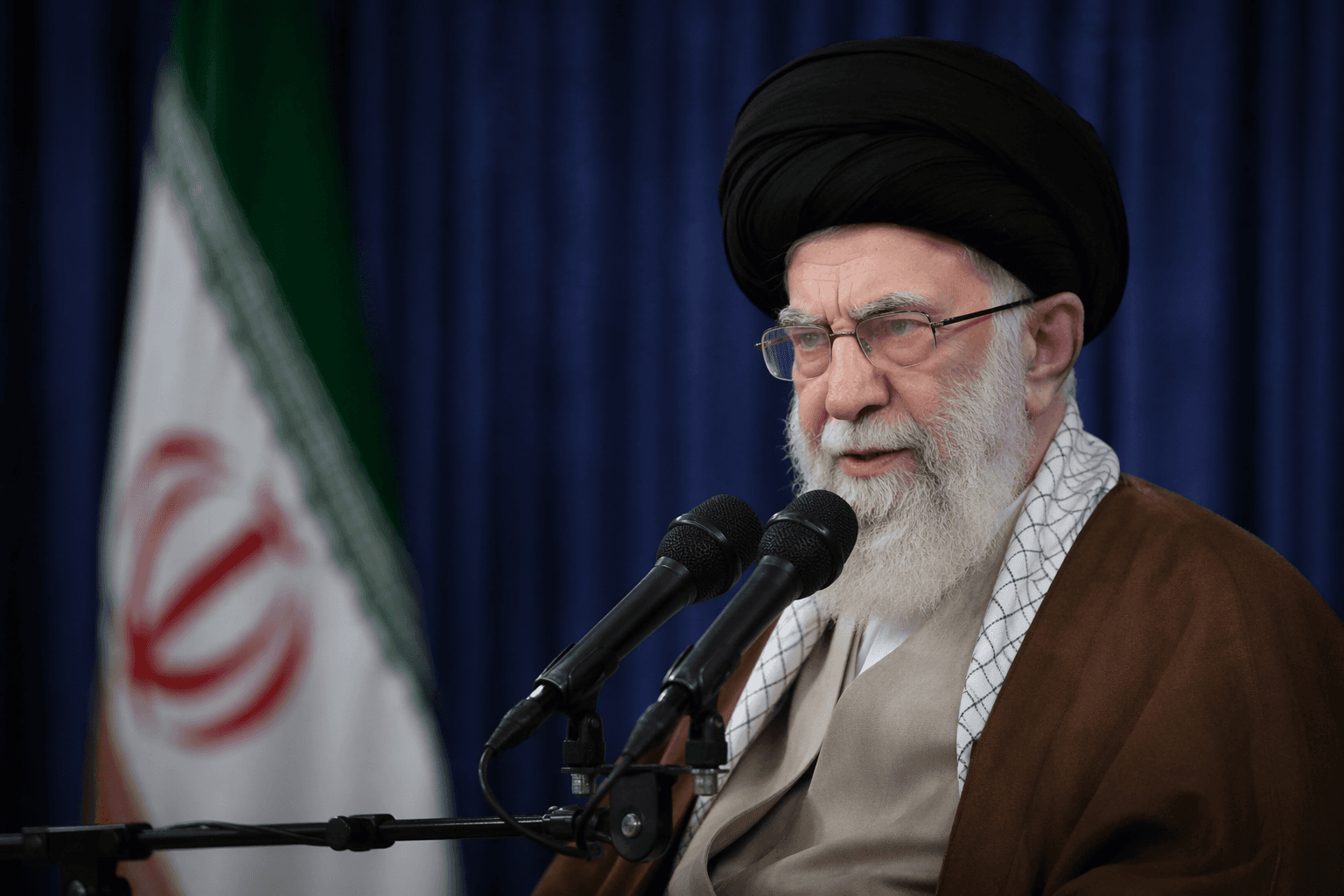
Khamenei has been making that threat explicit for months. On February 1, 2026, he warned that any attack on Iran would trigger a “regional war,” and Iranian officials later said the country would answer renewed U.S. strikes with long and painful attacks on American positions across the Gulf. That posture helps explain why the demand to clear U.S. bases is not just a slogan. It is pressure on Gulf governments that host American forces, a signal to Iran-backed groups across the region, and a warning to Washington that every airfield, port and radar site tied to the U.S. military can become a target.
The vulnerability is amplified by geography. About 20 percent of the world’s traded oil passes through the Strait of Hormuz each day, and Iran effectively closed the waterway to most commercial shipping during the conflict, turning military escalation into a global energy shock. In March 2026, the United States was reinforcing its ground presence in the Gulf even as Iran carried out near-daily missile and drone attacks on Israel, Gulf Arab states and U.S. military bases, a race between escalation and deterrence that has made the region more combustible.
That danger has already pulled in diplomacy. Pakistan has been working to broker talks and ease the crisis, while the United Arab Emirates told its citizens on May 1, 2026, to leave Iran, Lebanon and Iraq and return home immediately. Khamenei’s demand fits that landscape: it is a warning to Washington, a rallying cry for the domestic audience in Tehran, and a reminder that the U.S. basing network in the Gulf is large, exposed and deeply entangled with the region’s most fragile shipping lanes.
Know something we missed? Have a correction or additional information?
Submit a Tip