Khan Academy pilots GPT-4 tutor in classrooms to narrow learning gaps
Khan Academy’s GPT-4 tutor spread to 266 districts, but many students barely used it. The rollout exposed how hard it is to turn AI access into learning.

The most revealing measure of Khan Academy’s classroom AI push came not from its launch, but from Sal Khan’s later verdict: for many students, Khanmigo was a “non-event” because they did not use it much. That blunt assessment cut against the optimism that greeted the company’s early bet on GPT-4 and underscored a central question for schools: whether generative AI can close learning gaps or simply add another layer of software to manage.
Khan Academy announced the pilot on March 14, 2023, after beginning to test GPT-4 in 2022. The nonprofit said the first rollout would go to a limited number of teachers, students and donors, with Khanmigo designed to work both as a virtual tutor for students and as a classroom assistant for teachers. Sal Khan framed the project as a response to an old problem sharpened by the pandemic: students in the same classroom arrive with very different needs. Kristen DiCerbo, Khan Academy’s chief learning officer, said the goal was to get students thinking deeply rather than simply handing them answers.
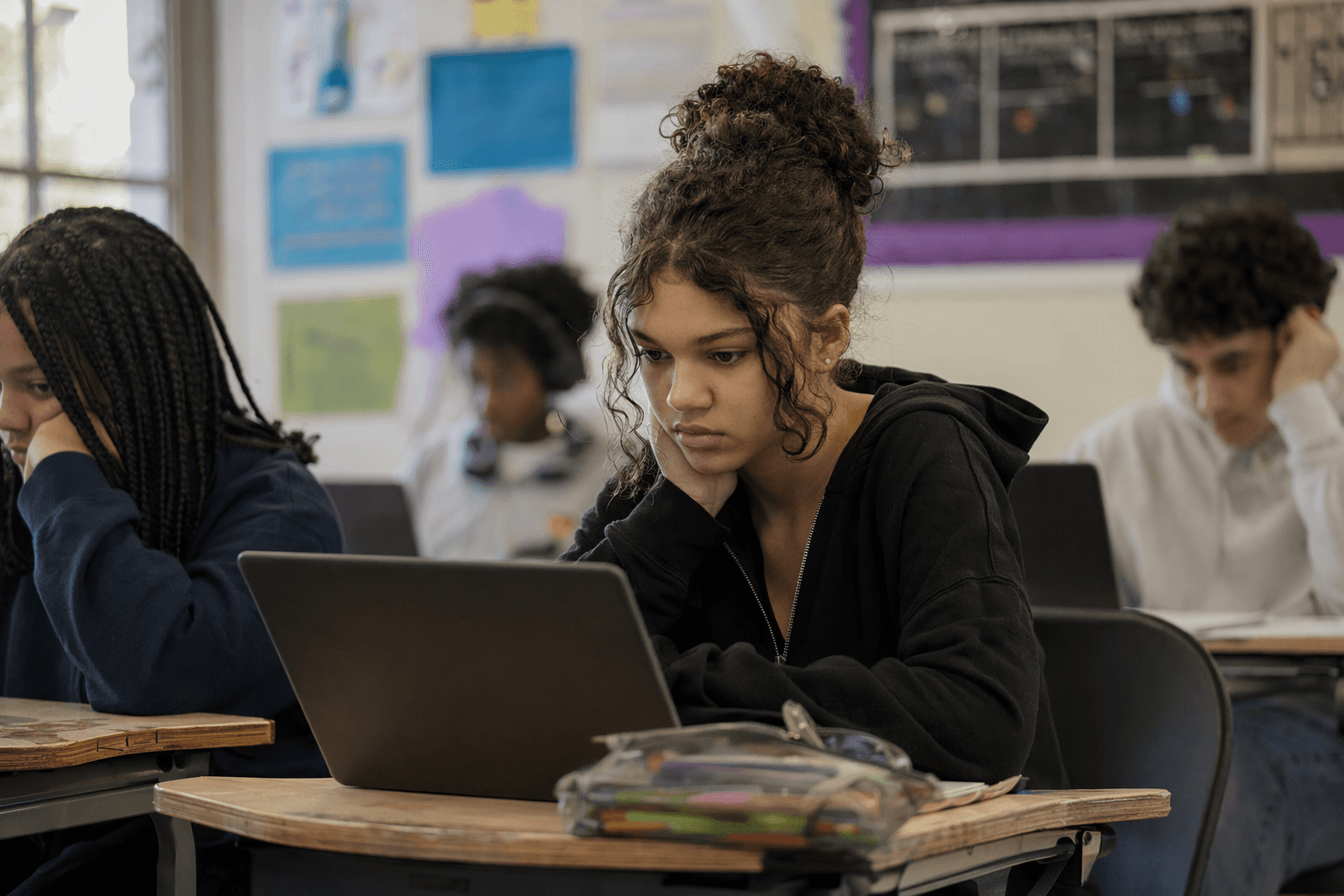
The first pilot involved two district partners serving historically under-resourced communities. Khan Academy’s 2023-2024 annual report said those districts were more likely to be eligible for free or reduced-price lunch and more ethnically diverse than U.S. districts overall. By April 2023, Newark Public Schools and School City of Hobart in Indiana had joined, bringing participation to 425 teachers and students. By December 2024, Khanmigo was being piloted in 266 school districts, a sign of rapid institutional adoption even as day-to-day classroom use remained uneven.
The rollout also exposed the practical tradeoffs schools now face with AI. Khan Academy has said Khanmigo is built to protect student data and comply with FERPA and COPPA, and its district offering includes student support, teacher AI tools, administrator reporting, rostering and single sign-on. Those features speak to the governance demands that come with putting an AI tutor in front of minors. They do not erase the risks of generative systems that can mislead students, create extra work for teachers or encourage dependence on automated help.
Pricing shifted as Khan Academy tried to widen access. In November 2023, the organization cut district pricing from $60 per student per year to $35. Its current pricing pages say Khanmigo is free for teachers and costs $4 per month for learners and parents. That evolution fits Khan’s broader pitch that AI should not become another advantage reserved for wealthy schools. The harder test, now visible in classrooms, is whether schools can turn that access into consistent use, deeper learning and responsible oversight.
This article was produced by Prism’s automated news system from verified source data, official records, and press releases, then run through automated quality and moderation checks before publishing. The system is built and supervised by the people who set the standards it runs under. Read our full AI policy.
Did this article answer your question?