Meta rolls out silent writing for Ray-Ban Display smart glasses
Meta’s Ray-Ban Display glasses can now type silent replies with wrist gestures, pushing the device toward discreet messaging and away from voice-only use.

Meta has pushed its Ray-Ban Display smart glasses closer to an everyday communication device, rolling out virtual writing that lets users compose replies without speaking aloud or reaching for a phone. The feature uses the Meta Neural Band, an EMG wristband that reads muscle activity and turns hand gestures into text, giving the glasses a quieter way to handle messages in public.
The update extends beyond Meta’s own apps. Users can now reply across WhatsApp, Messenger and Instagram, and Meta’s release notes say neural handwriting can also answer notifications, including iPhone messages. Suggested replies now show up as quick shortcuts for faster silent responses, a small but important step for a product trying to prove it can do more than impress in a demo.
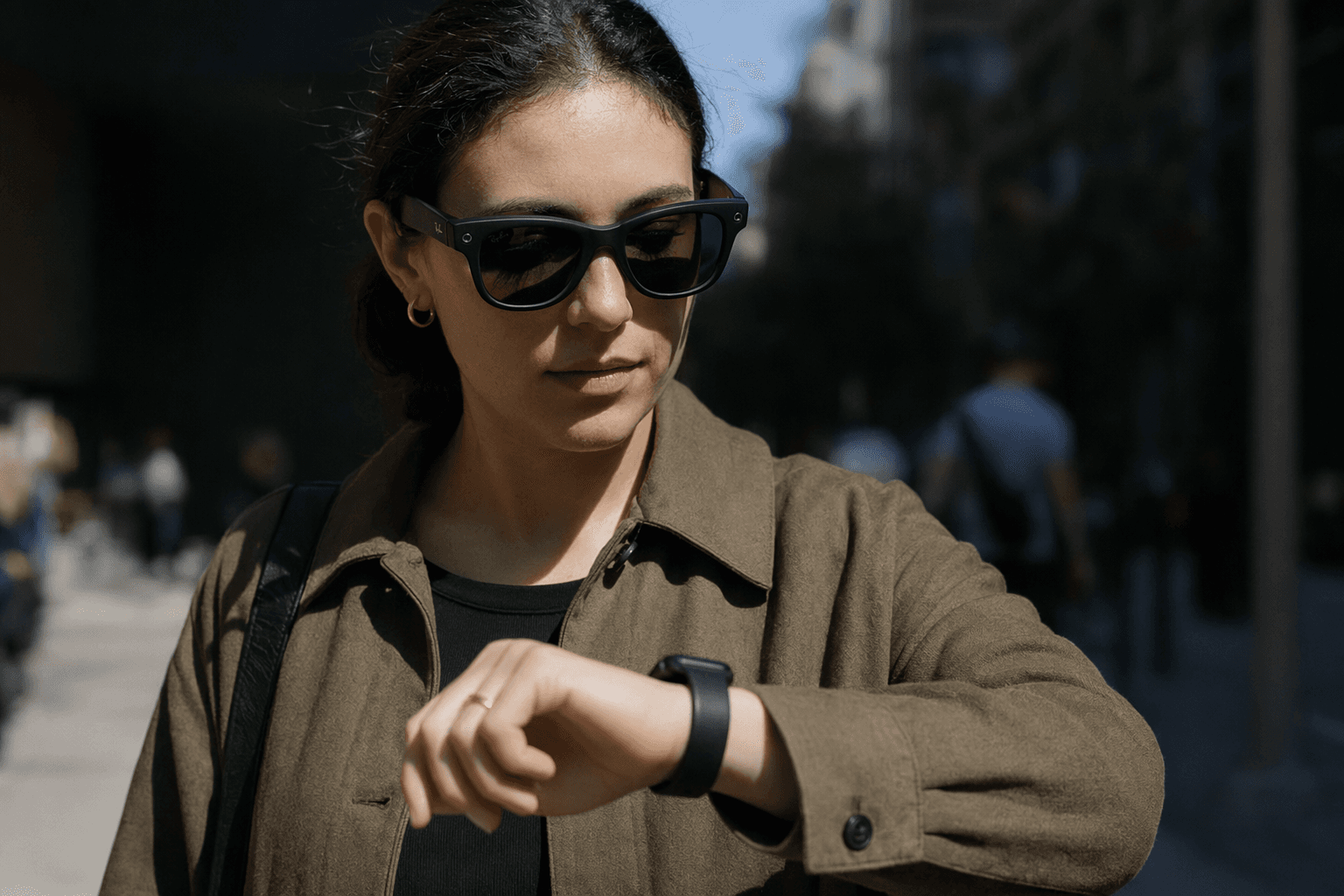
That is the real test for Meta’s most ambitious glasses line. Silent messaging matters in airports, meetings, transit and crowded streets, where speaking to a headset can feel awkward or expose private information. By tying text entry to the wristband instead of voice, Meta is betting that subtle input is the feature most likely to make smart glasses socially acceptable. If the system is fast and accurate enough, it could reduce the need to pull out a phone for routine replies.
Meta has been building toward that use case since the Ray-Ban Display was announced at Connect on September 17, 2025. The glasses went on sale in the United States on September 30, 2025 for $799, with the Neural Band included. Meta sold them through select outlets including Best Buy, LensCrafters, Sunglass Hut, Ray-Ban Stores, Meta Lab and later select Verizon stores, and appointments for demos filled quickly after launch.

The company has continued adding features meant to make the glasses more useful in day-to-day life. At CES 2026, Meta said teleprompter functionality was beginning a phased rollout, letting users deliver prepared remarks and navigate through the display with the Neural Band. That follows earlier features designed to keep wearers oriented in the physical world while still checking messages, previews, translations and AI help.
Meta’s broader glasses strategy now reaches beyond one product category. The company has also framed its AI eyewear push around prescription-friendly models and software additions such as WhatsApp summaries and nutrition tracking, signaling that wearables are becoming a central piece of its AI business. The question is whether gesture-based writing becomes a habit or remains a clever layer on top of a phone.
This article was produced by Prism’s automated news system from verified source data, official records, and press releases, then run through automated quality and moderation checks before publishing. The system is built and supervised by the people who set the standards it runs under. Read our full AI policy.
Did this article answer your question?