Kids and adults drive the boom in squishy fidget toys
Squishy toys have become a small status economy, powered by scarcity, viral appeal and low-cost collecting. Adults are part of the market too, turning fidgets into a broader stress-relief habit.

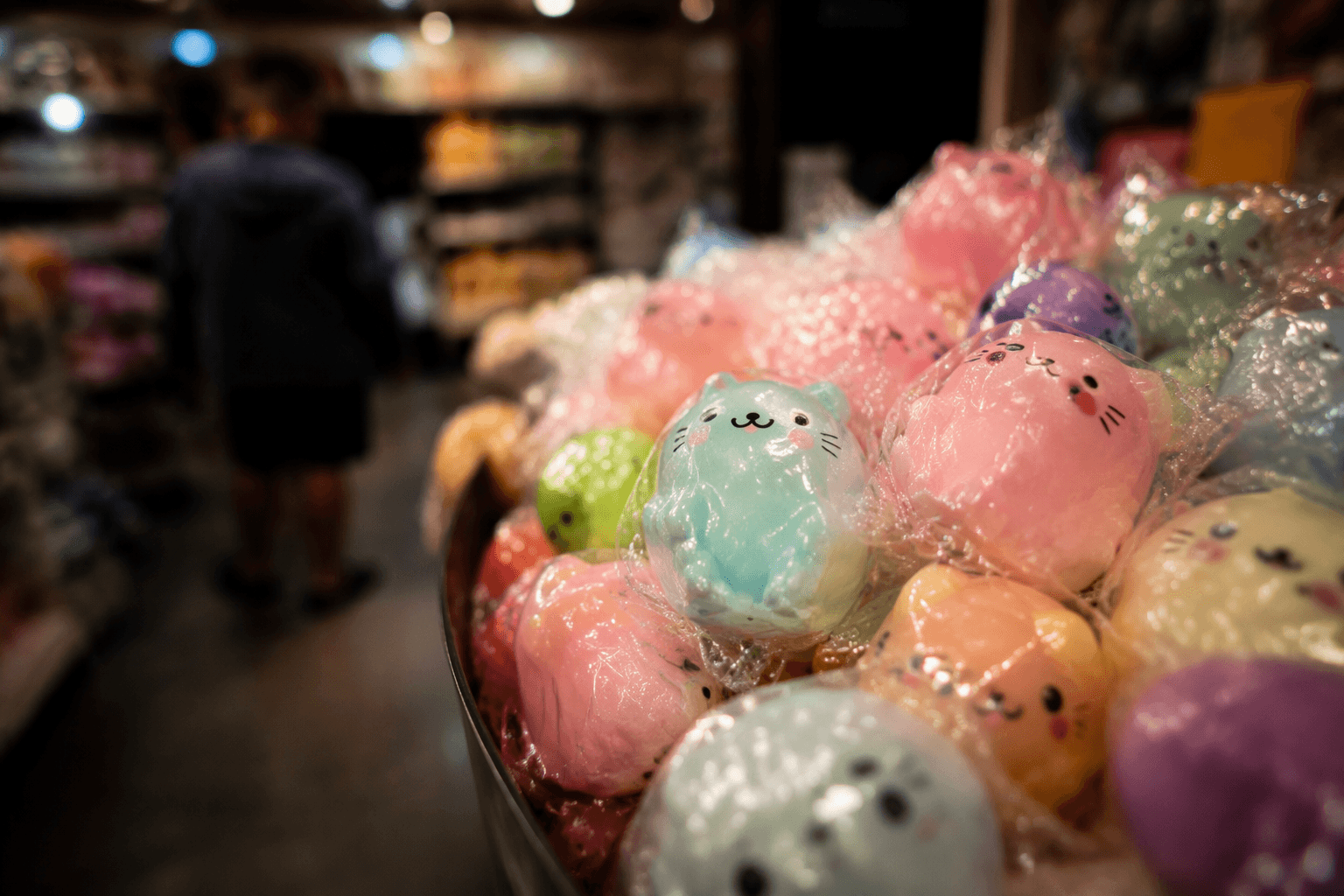
Squishies have moved far beyond simple playthings. These squeezable, malleable blob toys now sit inside a bigger fidget-toy market shaped by viral attention, classroom restrictions, and a growing adult appetite for low-cost stress relief. What looks like a child’s craze has become a miniature marketplace, with scarcity and peer status helping decide which toys are traded, hunted for, and shown off.
What makes a squishy more than a toy
Squishies are defined by touch: they are soft, squeezable, and meant to be compressed again and again. That physical quality is what places them alongside NeeDohs, dumplings, and other sensory toys that have spread well beyond a single age group. Florida State University News highlighted the viral appeal of NeeDohs in April 2026 and described them as toys with real-world appeal, a phrase that captures how these objects are treated less like novelty gifts and more like everyday tools for calming hands and minds.
Brown University Health has also said fidget toys are growing in popularity among both kids and adults. That matters because the category is not just a children’s trend with a short shelf life. It is a broadening consumer habit, one that blends comfort, collecting, and social signaling in a way that keeps the market active.
A market built on scarcity and attention
The clearest sign that squishies are functioning like collectibles is the way people chase them. Understood reported that fidget toys like NeeDohs are sold out and banned in classrooms, which turns an ordinary object into something with status value. When a toy is hard to get or not allowed in class, it gains a kind of underground appeal that makes children more likely to trade, compare, and hunt for specific versions.
That scarcity also makes the category feel more like a micro-economy than a fad. Amazon search results showed more than 10,000 results for “squishy” and more than 20,000 results for “fidget toys,” a sign of a large and active retail market. The scale matters because abundance and scarcity work together here: there are many options overall, but individual toys can still become must-have items inside a peer group.
Why kids trade them and why status matters
Part of the squishy boom comes from social behavior, not just tactile appeal. Once a toy becomes recognizable within a group, it can function as a status marker, especially if it is tied to a trend that other kids already know from class, friends, or social media. Vox described NeeDohs, dumplings and other fidget toys as part of a generational obsession, which helps explain why these toys move through children’s circles so quickly.
Trading follows naturally from that attention. A toy that feels unusual, limited, or newly popular can become more valuable than a generic version, even when the objects are inexpensive. That is the logic of a miniature marketplace: peer recognition, not sticker price alone, determines what gets passed around, displayed, or tucked into a backpack.
Adults are part of the boom
The adult spillover is what keeps the story from staying in the toy aisle. Brown University Health’s description of fidget toys as popular among both kids and adults shows how the category has escaped its original audience. Fidgets now sit at the intersection of stress management, sensory comfort, and low-stakes consumer spending, all of which give adults reasons to buy them without embarrassment.
That adult demand also changes the economics of the trend. When grown-ups adopt a toy line that children already made popular, the market widens and the objects become easier to normalize as tools rather than novelties. That shift helps explain why a toy type can travel from playground chatter to office desks and living rooms without losing its identity as something playful.
What the trend says about stress and collectibility
A 2025 conference paper on sensory stress-relief toys traced the category’s history to ancient Greek prayer beads, Chinese workout balls, and modern fingertip tops. That long lineage matters because it places today’s squishies in a much older tradition of handheld objects used to manage attention, anxiety, and physical restlessness. The current boom is new in style, but not in function.
The pattern also explains why these toys hold up as collectibles. People do not buy them only for novelty. They buy them because they are tactile, portable, cheap enough to accumulate, and easy to swap within a group that recognizes the latest version. That combination helps a simple stress toy become both a personal coping device and a social object.
How the category works in practice
The squishy and fidget market now operates across several overlapping uses:
- as a sensory tool for hands that need something to do
- as a classroom item that can become controversial when it distracts or spreads too widely
- as a collectible that gains value through rarity and trend status
- as a low-cost habit that appeals to children and adults alike
Those uses are what give the category staying power. A toy that can function in a backpack, on a desk, in a classroom, or at home is not just another passing novelty. It is flexible enough to keep reappearing in new settings, which is exactly how small consumer trends become durable.
The bigger picture
Squishies and fidget toys now sit inside a broader consumer pattern: people are still looking for inexpensive comforts that feel personal, physical, and socially legible. The viral attention around NeeDohs, the sell-outs, the classroom bans, the adult interest, and the large Amazon footprint all point to the same thing: a modest toy category that has become a real market. Its appeal is not only that it is cute or squeezable, but that it answers a wider need for stress relief, collectibility, and belonging in one small object.
This article was produced by Prism’s automated news system from verified source data, official records, and press releases, then run through automated quality and moderation checks before publishing. The system is built and supervised by the people who set the standards it runs under. Read our full AI policy.
Did this article answer your question?