King Charles Addresses Congress, Urges Stronger U.S.-U.K. Ties
King Charles III used a rare address to Congress to defend the U.S.-U.K. alliance amid tensions over Iran and NATO.
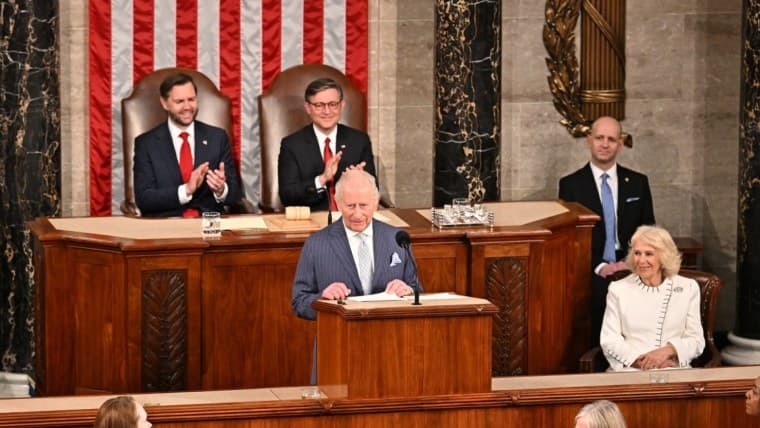
King Charles III used a rare address to a joint meeting of Congress to cast the U.S.-U.K. relationship as a working alliance, not a ceremonial relic, at a moment of strain over global security and the war in Iran. Speaking in Washington, D.C., during a four-day state visit with Queen Camilla, Charles emphasized democracy, unity and the long partnership between the two countries, and lawmakers from both parties responded warmly with several standing ovations.
The visit began April 27 and was presented as part of the 250th anniversary of U.S. independence from Britain, giving the trip a symbolic weight that extended beyond protocol. Charles was the second British monarch ever to address Congress, following Queen Elizabeth II, who spoke on May 16, 1991. House historical records say about 800 people attended Elizabeth’s address, which drew a standing ovation, while protesters outside the Capitol objected to British policy in Northern Ireland.
Charles’s appearance came as the two governments navigated sharper disagreements, including reported tensions over the war in Iran. He also praised NATO, a pointed endorsement at a time when President Donald Trump has criticized the alliance in the past. That choice underscored the security dimension of the speech: Charles was not simply marking history, but signaling that the transatlantic alliance still matters as a defense and diplomatic instrument.
The political reaction on Capitol Hill suggested the message found a receptive audience. Coverage of the speech said lawmakers from both parties praised Charles afterward as he framed the relationship between Great Britain and the United States as a story of reconciliation, renewal and partnership. In the shadow of disputes over war policy and alliance burdens, the address served as a reminder that the U.S.-U.K. bond remains one of Washington’s most durable foreign-policy relationships, and one both governments still see as central to managing the crises ahead.
Know something we missed? Have a correction or additional information?
Submit a Tip