King Charles earns praise for historic speech to US Congress
Buckingham Palace called the speech a “high stakes” moment, and Congress answered with 12 standing ovations as Charles pressed lawmakers to back Ukraine and NATO.
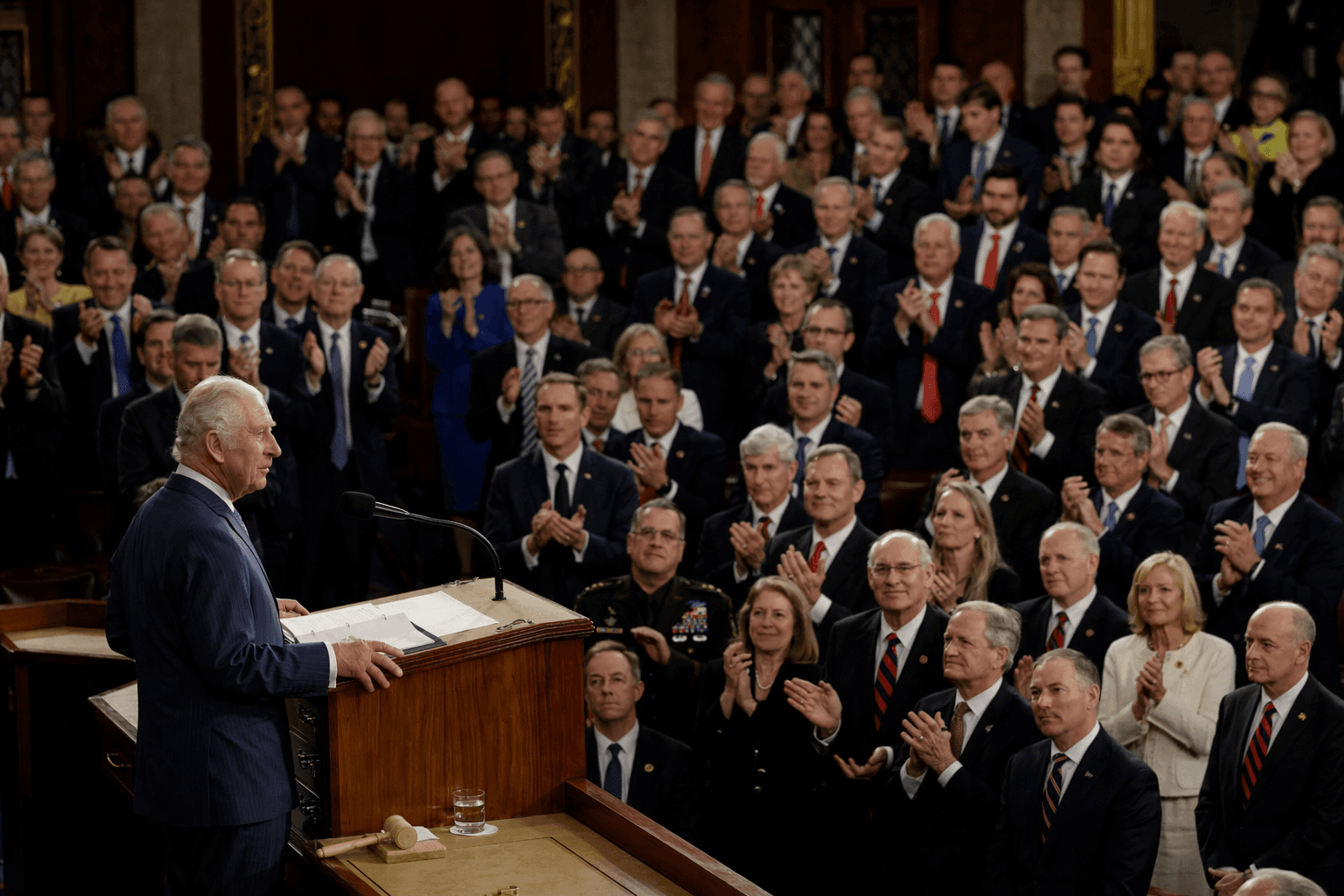
Buckingham Palace cast King Charles III’s address to Congress as a “high stakes” test of royal soft power, and the scale of the response suggested why. The King became the first British monarch to address a joint session of the US Congress on April 28, 2026, and lawmakers gave him 12 standing ovations as he urged the United States to defend Ukraine and support NATO.
The Palace said the speech was the biggest diplomatic challenge of Charles’s reign, a sharp description for a four-day state visit that unfolded amid friction between London and Washington over the UK government’s decision not to get involved in the Iran war. A senior royal aide said the King’s approach reflected how deeply he personally cared about the trip and that he was guided by “truth” and “conscience.” In other words, Britain was not just staging pageantry. It was trying to use the monarchy as a channel for reassurance, discipline and alignment at a sensitive moment in transatlantic politics.
That aim was visible in the choreography of the trip. Charles and Queen Camilla became the first British monarch and consort to make a state visit to the United States, traveling through Washington, D.C., New York City and Virginia during the United States’ 250th anniversary year of the Declaration of Independence. The symbolism was heightened by the shadow of Andrew Mountbatten-Windsor’s connection to the Epstein scandal, a reminder that the Palace was trying to project steadiness while managing its own reputational strain.
The political wager was clearest at the White House state dinner on April 28, where Charles toasted the relationship between the two countries and called the dinner a “very considerable improvement on the Boston Tea Party.” He also praised the “kinship and friendship” between the United Kingdom and the United States, framing the visit as a reaffirmation of a partnership rather than a ceremonial relic. The Royal Family later published the speech, underscoring how central the anniversary setting and the security relationship were to the message.
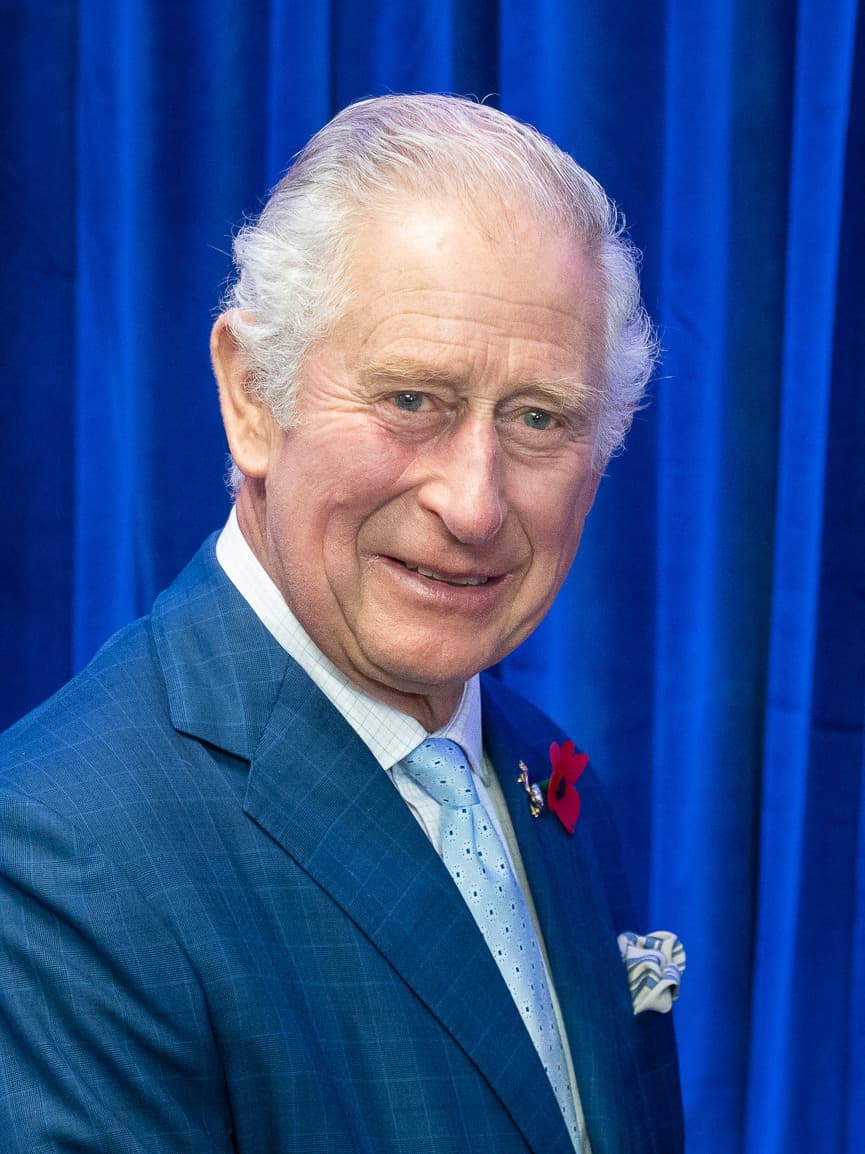
Donald Trump reportedly called the speech “beautiful” and “very important for our two great nations,” a sign that the King’s intervention landed in the room. The question is how much farther the symbolism traveled. The visit produced praise, applause and a carefully managed display of warmth, but its most concrete gain was diplomatic tone, not policy. Charles left the United States on April 30 and continued to Bermuda, having delivered Britain’s message with unusual force and, for one night at least, with Congress on its feet.
This article was produced by Prism’s automated news system from verified source data, official records, and press releases, then run through automated quality and moderation checks before publishing. The system is built and supervised by the people who set the standards it runs under. Read our full AI policy.
Did this article answer your question?


