King Charles III opens historic U.S. state visit amid Iran tensions
King Charles III arrived in Washington as Trump and Starmer clashed over Iran, turning a ceremonial visit into a test of alliance management.
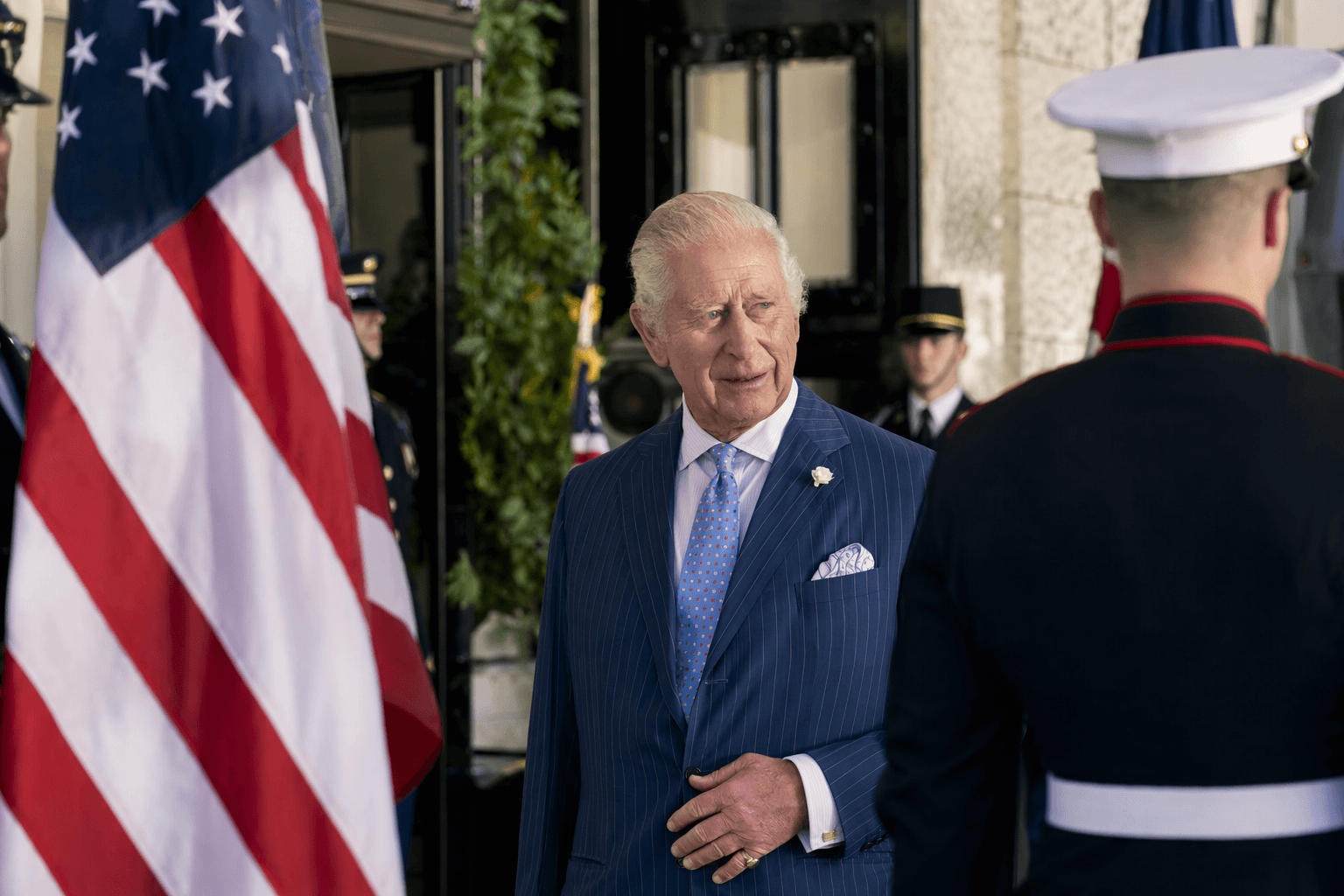
King Charles III arrived in Washington for a four-day state visit that mixed pageantry with hard geopolitics, as the White House and Buckingham Palace tried to project unity while President Donald Trump and Prime Minister Keir Starmer remained at odds over the war in Iran.
The trip began on Monday, April 27, 2026, and was set to run through Thursday, April 30, with a state dinner at the White House and a stop in New York City on Wednesday. It was the first U.S. state visit by a British monarch since Queen Elizabeth II’s visit with President George W. Bush in 2007, and it came as the White House events unfolded under heightened security after the White House Correspondents’ Association dinner shooting on Saturday.
Charles was scheduled to address a joint meeting of Congress on Tuesday, April 28, in remarks expected to last about 20 minutes. Royal aides said the king would speak of “reconciliation and renewal,” a carefully chosen phrase that captured the ceremonial tone of the visit even as Washington and London were managing real disagreements over the Middle East.
The invitation to Congress was signed by House Speaker Mike Johnson, Senate Majority Leader John Thune, Senate Minority Leader Chuck Schumer and House Minority Leader Hakeem Jeffries. They said the speech would celebrate the 250th anniversary of American independence and the enduring special relationship between the United States and the United Kingdom, while offering a chance to share Charles’s vision for the alliance at a pivotal moment.
The address was expected to touch on NATO, Ukraine, the Middle East and AUKUS, as well as trade, technology, the rule of law and democratic traditions. Reuters reported that much of the language and tone came from Charles himself, though it was written on the advice of the British government, underscoring how closely the monarchy and ministers coordinated the message.
That choreography did not hide the strain underneath. Trump criticized Starmer’s reluctance to support U.S.-led attacks on Iran and even called him “not Winston Churchill,” while Starmer said Britain was fully committed to NATO and insisted that “this is not Britain’s war.” In London, Liberal Democrat leader Ed Davey urged Starmer to cancel the visit, arguing that Trump was bullying Britain and would gain a diplomatic coup from the optics. The state visit was designed to celebrate continuity, but its backdrop made clear how fragile that continuity had become.
Know something we missed? Have a correction or additional information?
Submit a Tip