King Charles Urges Stronger US UK Alliance in Rare Congress Address
Congress gave King Charles III repeated standing ovations as his warning about war, alliances and democratic stability struck a nerve in Washington.
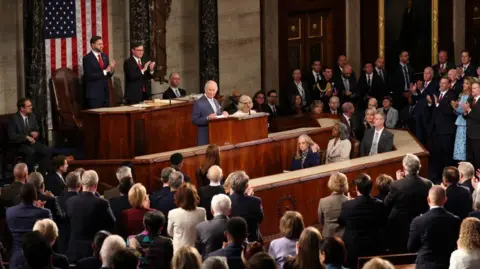
Congress greeted King Charles III with unusual warmth because his message landed in the middle of American anxieties about war, alliances and the durability of democratic institutions. The applause was not just for royal pageantry. It reflected how closely his warning about global instability matched the mood in Washington.
In a rare address to a joint meeting of the United States Congress on April 28, Charles said the relationship between the United States and the United Kingdom was “more important today than it has ever been.” He framed the speech as part of a four-day state visit tied to the 250th anniversary of American independence, and he used the moment to argue for unity, NATO cooperation and continued support for Ukraine.
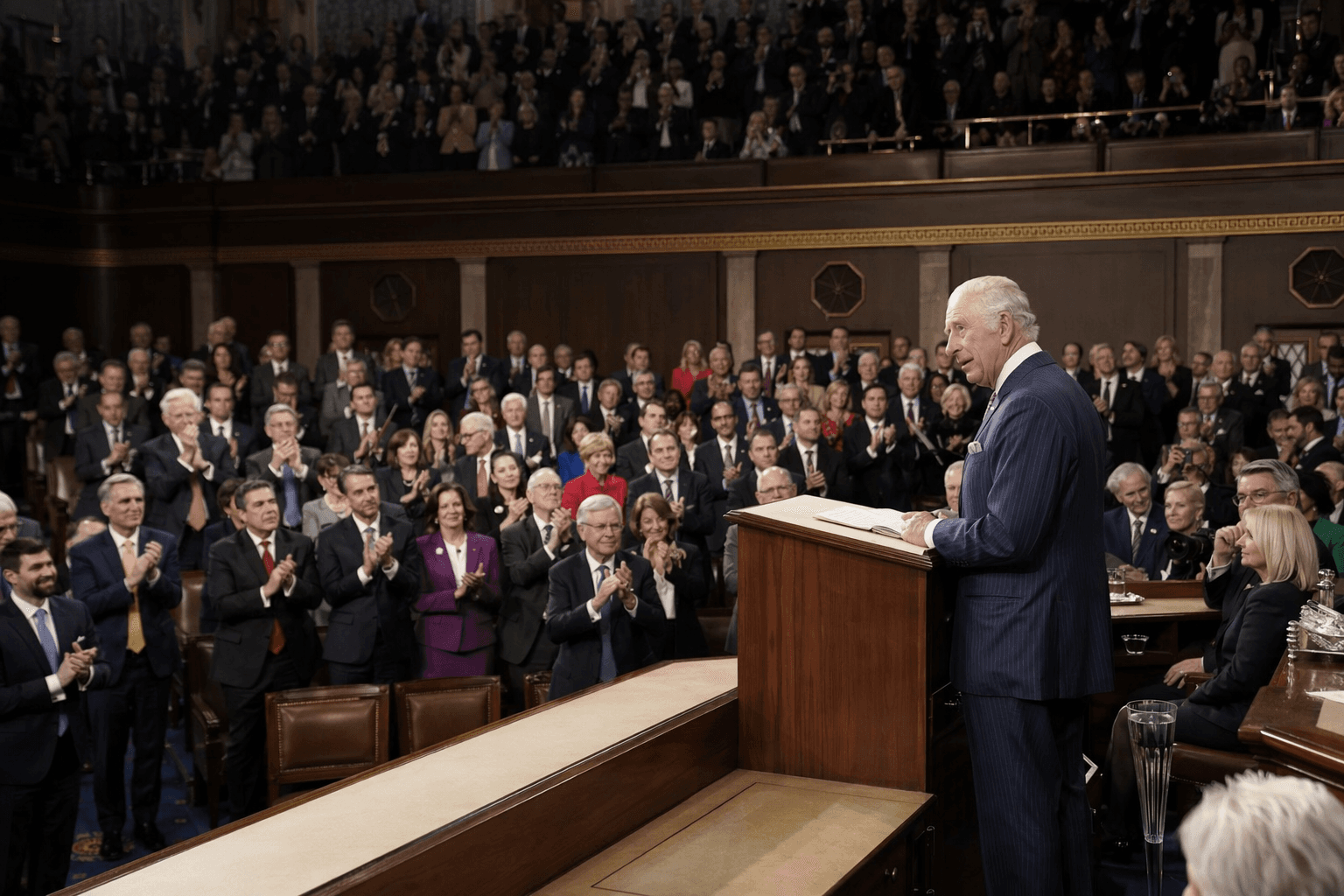
Charles became only the second British monarch to address Congress, following Queen Elizabeth II in 1991, and the first British king to do so. The roughly 20-minute speech drew multiple standing ovations, with reporting counting as many as 12 or 13, a signal of how strongly lawmakers responded to his appeal for democratic solidarity at a time of heightened tension over the war in Ukraine and the conflict involving Iran.
He also won applause for praising the American system of checks and balances and for invoking Magna Carta as part of the longer constitutional tradition shared by the two countries. Buckingham Palace has described the alliance built over centuries as “truly unique,” and Charles folded that sentiment into a broader argument that Britain and the United States remain closely linked by history, security and political values.

The setting underscored the diplomatic weight of the visit. After the congressional address, Charles and Queen Camilla were scheduled for a White House state dinner and a tribute event honoring fallen soldiers, placing the trip squarely in the center of the transatlantic relationship. For Washington, the scene was less about ceremony than about reassurance: a British monarch used a rare platform in the Capitol to press for continuity in an unsettled world, and Congress answered with a reception that reflected its own unease about what comes next.
Know something we missed? Have a correction or additional information?
Submit a Tip