King Frederik turns to right-leaning Poulsen after fractured election talks
Denmark’s king shifted coalition talks to Troels Lund Poulsen after Mette Frederiksen’s camp split, deepening a post-election stalemate with wider European echoes.
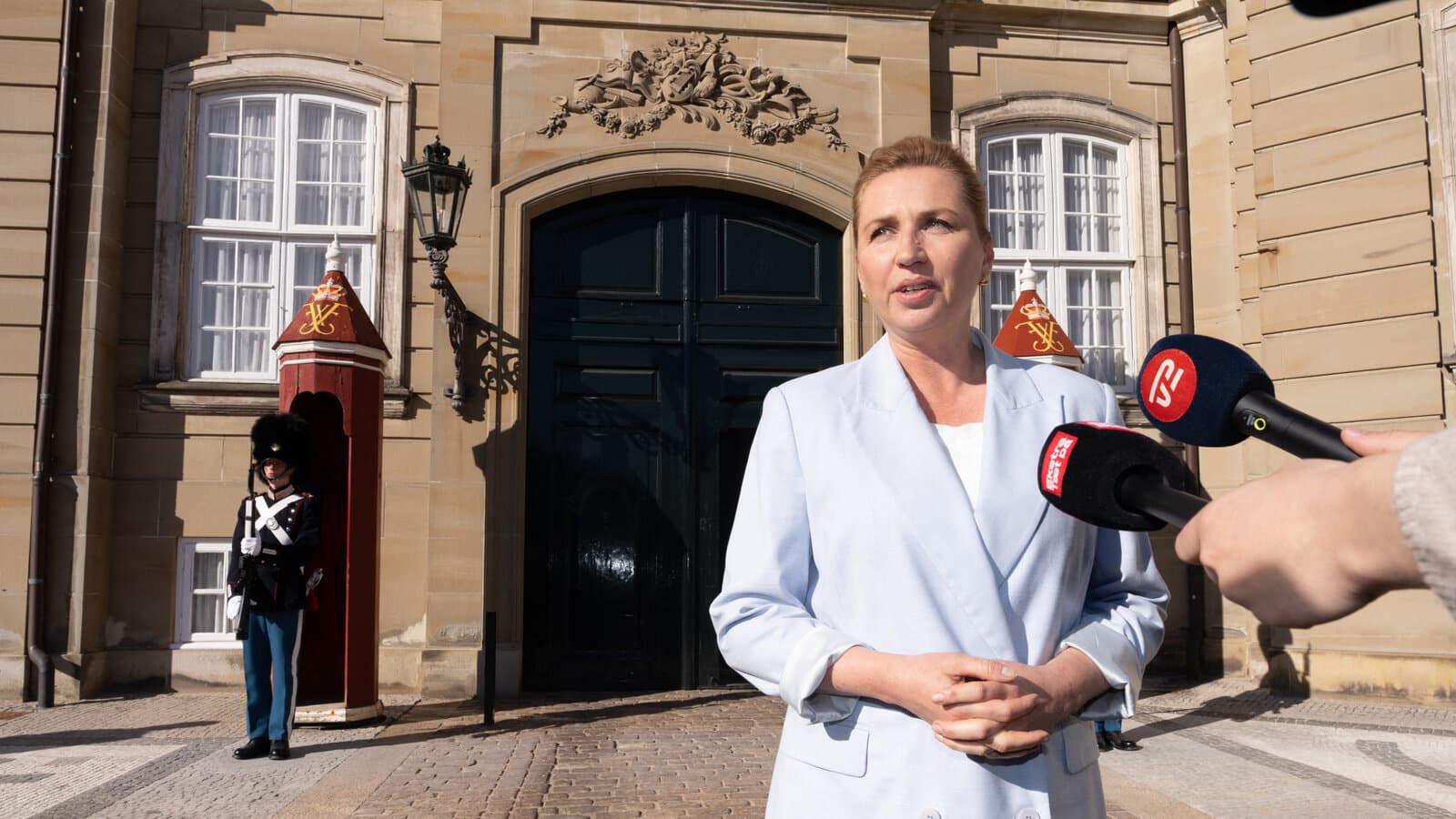
King Frederik X has turned to Defence Minister Troels Lund Poulsen to test whether a centre-right government can be assembled, after weeks of failed talks left Denmark without a clear path out of its election deadlock.
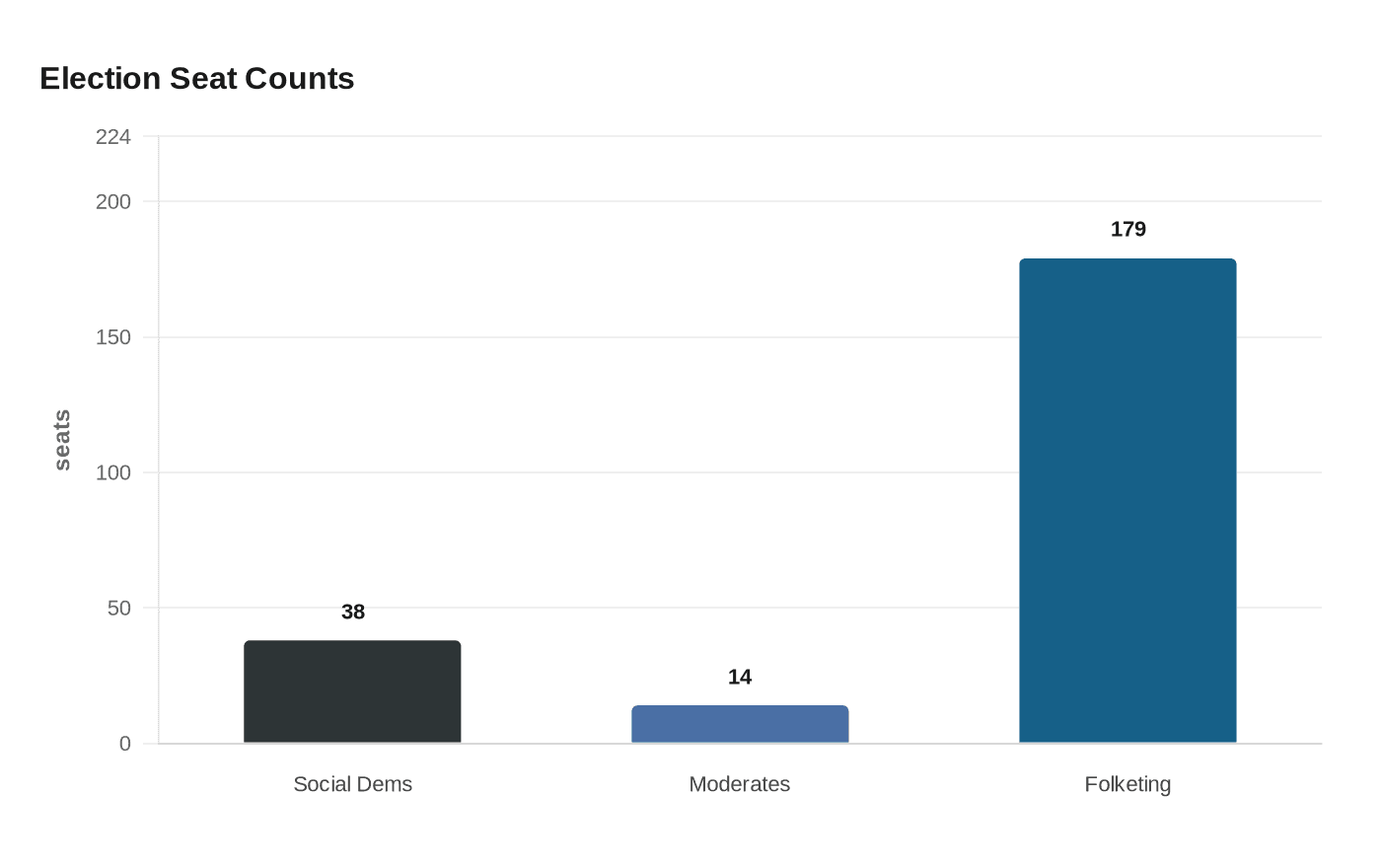
The move underscored how far the March 24 general election had fragmented the 179-seat Folketing. The Social Democrats won the most seats, but Frederiksen’s party fell to 38 seats, or 21.9% of the vote, its weakest result since 1903. Turnout was 83.98%, with 4,303,429 citizens eligible to vote, yet neither the left-leaning bloc nor the right-leaning bloc secured a majority.
For much of the negotiations, Frederiksen had been given the first chance to try to form a government. But the talks failed to produce a durable coalition, and Lars Løkke Rasmussen, whose Moderates hold 14 seats and have become the decisive kingmaker, ended his party’s discussions with the prime minister on May 8. Rasmussen then proposed that the next round be handed to Poulsen, the leader of the Liberal Party.
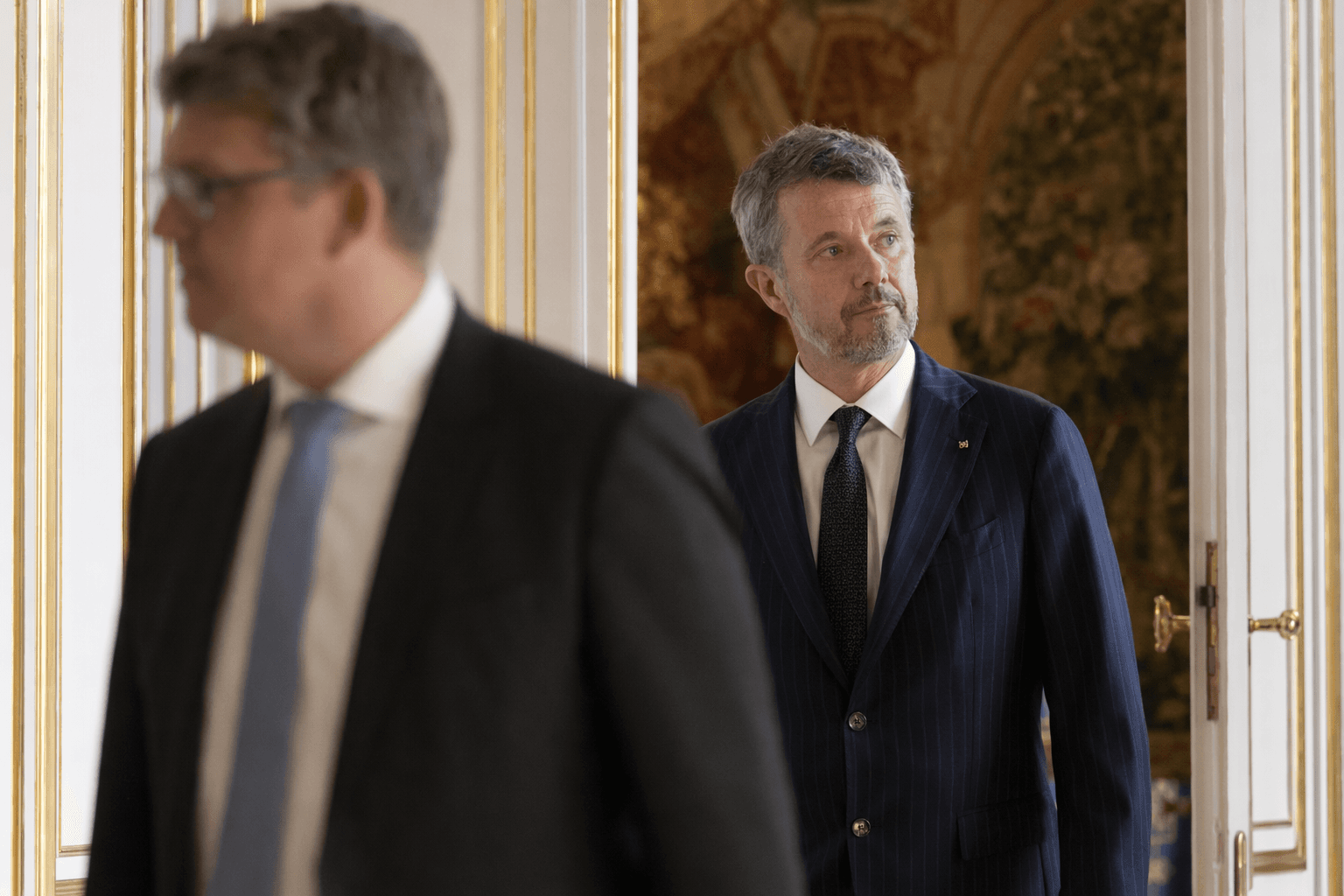
Poulsen, who has served as deputy prime minister and defence minister since November 23, 2023, now has the task of finding support from right-wing and centrist parties strong enough to carry him to the top office. His path is not straightforward. A centre-right government would still need to bridge sharp differences across a fractured parliament, a problem increasingly familiar across Europe as coalitions become harder to assemble even after election setbacks seem to have clarified the political balance.
Frederiksen’s campaign was buffeted by cost-of-living pressures, pensions and debate over a possible wealth tax, while the dispute with the United States over Greenland gave the race a sharper geopolitical edge. She had tried to harness public backing for a hard line against Donald Trump’s ambitions on Greenland, but that issue did not spare her from the broader erosion in support.
The breakdown now leaves Denmark’s next government formation as important as the election itself. In a parliament split almost evenly and a country facing delays in decision-making, the king’s decision to turn from the incumbent prime minister to Poulsen reflects a deeper political reality: when blocs fracture, the power to govern shifts from election night to the bargaining table.
This article was produced by Prism’s automated news system from verified source data, official records, and press releases, then run through automated quality and moderation checks before publishing. The system is built and supervised by the people who set the standards it runs under. Read our full AI policy.
Did this article answer your question?

