SNP wins fifth term in Scotland but falls short of majority
SNP held Scotland for a fifth term, but 57 seats left John Swinney short of a majority as Reform UK surged and Labour slumped.
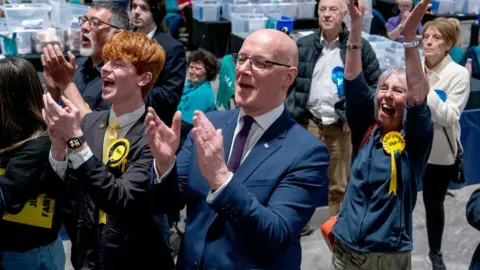
John Swinney kept the Scottish National Party in power for a fifth term, but the result fell short of the outright majority he had cast as the clearest route to another independence push. With all 129 seats in the Scottish Parliament contested on 7 May 2026, the SNP finished on 57 seats, below the 65 needed for control, in a parliament that now looks more fractured than at any point in years.
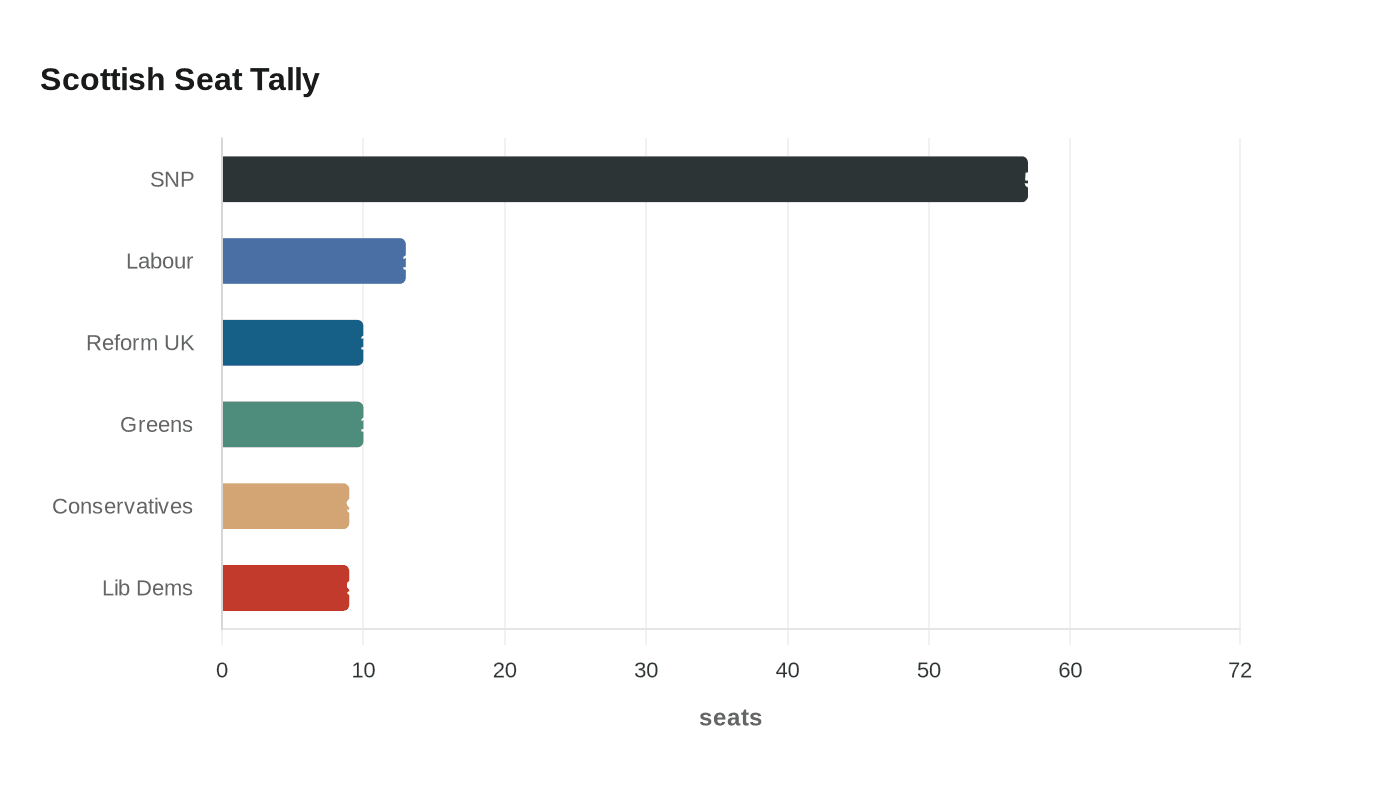
Sky News reported the final tally as SNP 57, Labour 13, Reform UK 10, the Scottish Greens 10, the Scottish Conservatives 9 and the Scottish Liberal Democrats 9. Turnout was 53.2%. The SNP’s constituency vote share dropped to 38.2%, down 9.5 percentage points from 2021, underscoring that the party’s durability still coexisted with a clear erosion in its support.
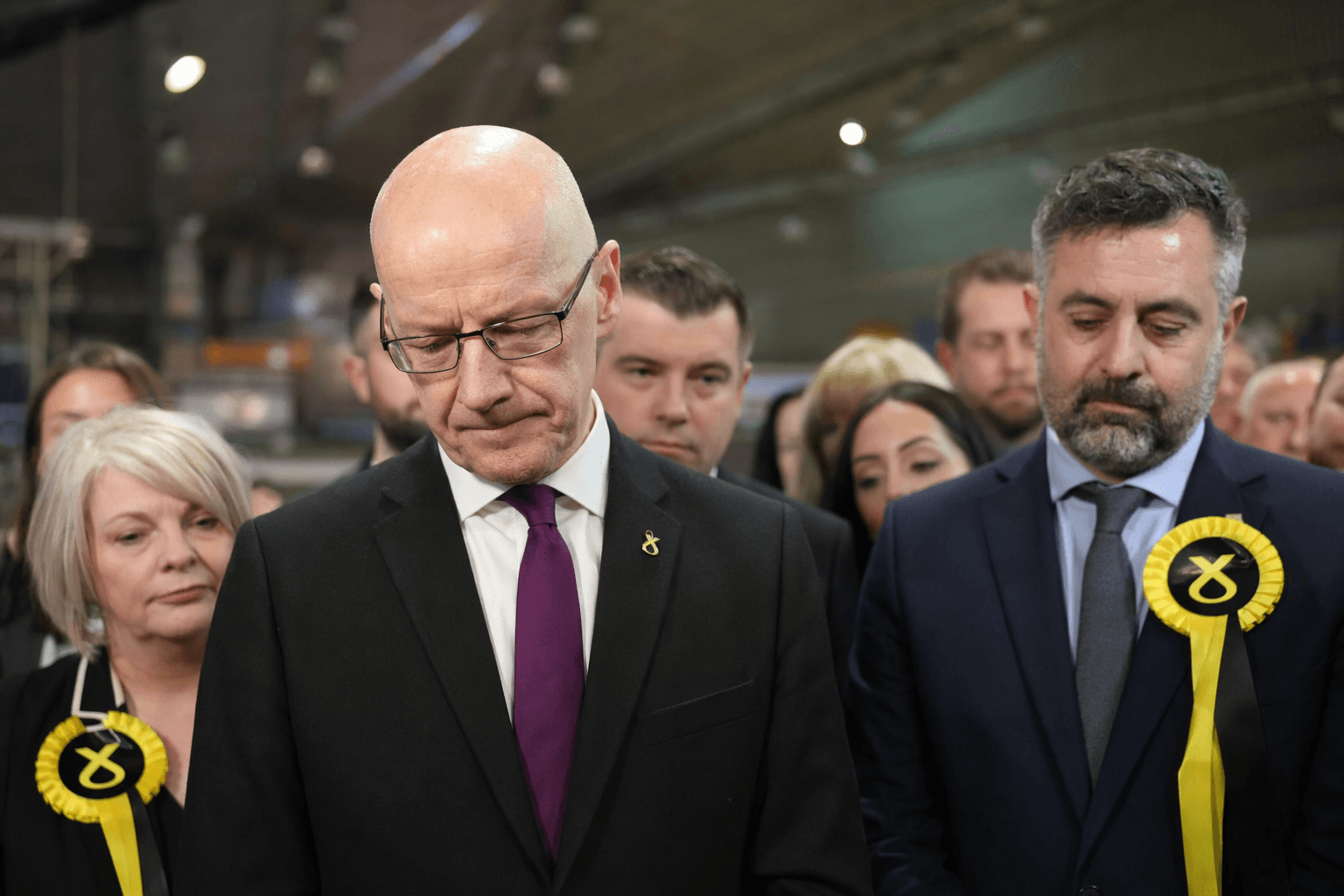
The numbers mattered well beyond Holyrood arithmetic. Swinney had argued that an overall majority would strengthen the case for a second independence referendum, but the result left him without the mandate he wanted. After the result became clear, he said he still believed there would be a pro-independence majority in the Scottish Parliament, even without an SNP majority of its own.
The sharpest political signal came from the parties fighting to displace the old duopoly. Reform UK made a breakthrough that would have looked implausible just one election ago, when it won only 0.2% of the Scottish vote in 2021. YouGov’s final MRP on 6 May projected Reform on 19 seats and described a plausible near three-way tie for second place between Reform, Labour and the Greens. In the end, Reform took 10 seats, enough to signal that Nigel Farage’s brand of insurgent politics has found a foothold north of the border.
Labour endured a bruising night by any measure. Scottish Labour leader Anas Sarwar conceded defeat and told members the result did not weaken his determination to deliver for Scotland, but the party’s showing drew immediate internal criticism. Katrina Faccenda, who sits on Labour’s Scottish Executive Committee, said she would call on Sarwar to go at a committee meeting next week. The losses came as Labour also struggled in Wales and in English council elections, adding to pressure on Sir Keir Starmer.
The Greens also advanced, winning their first ever constituency MSPs in Glasgow and Edinburgh, while Scotland’s pro-independence bloc remained large enough to keep constitutional politics at the center of Holyrood. The election left one clear lesson for allied democracies watching from abroad: nationalist parties can remain resilient even when they miss majorities, but the deeper shift may be the rise of insurgent forces willing to raid support from both the center-left and the traditional opposition.
This article was produced by Prism’s automated news system from verified source data, official records, and press releases, then run through automated quality and moderation checks before publishing. The system is built and supervised by the people who set the standards it runs under. Read our full AI policy.
Did this article answer your question?

