King’s planned US state visit aims to revive special relationship
King Charles III and Queen Camilla’s White House welcome put royal pageantry to a hard test: can a four-day state visit still sell the special relationship?
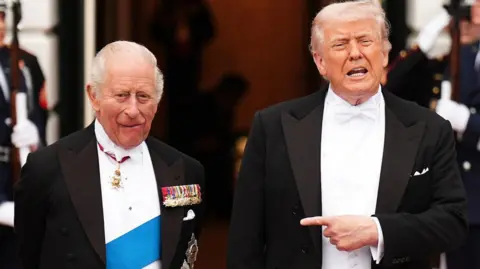
King Charles III and Queen Camilla were welcomed to the White House by Donald Trump and Melania Trump after arriving at Joint Base Andrews for a four-day state visit that marked the 250th anniversary of America’s independence. The choreography was unmistakable: the monarch and his wife stepped into a setting designed to project continuity, ceremony and access at the highest level.
That is why the visit mattered beyond the images. State visits remain one of the monarchy’s strongest diplomatic tools, and commentators have described them as the institution’s ultimate tool because world leaders still seek the full royal treatment. In this case, the aim was not only to honor a milestone anniversary, but to revive the UK-US special relationship through the soft power of ritual and attention.
The royal family’s appeal in the United States has long been unusually strong, giving the monarchy a ready-made audience in a country that often treats royal life with a mix of curiosity and devotion. BBC coverage has described an American fascination that can border on fandom, and a BBC America reality show, Royally Obsessed, has even showcased some of the more hardcore royal enthusiasts. That cultural pull gives a state visit an advantage that few diplomatic events can match: the Crown can command headlines before a single policy discussion begins.
But pageantry alone does not settle the question of political relevance. The real test is whether the spectacle persuades anyone with power, advances strategic aims, and leaves behind more than favorable coverage. The White House welcome, with Donald Trump and Melania Trump greeting the King and Queen before the formal visit unfolded in Washington, DC, was designed to signal warmth and continuity at a moment when both governments benefit from reinforcing familiar ties.
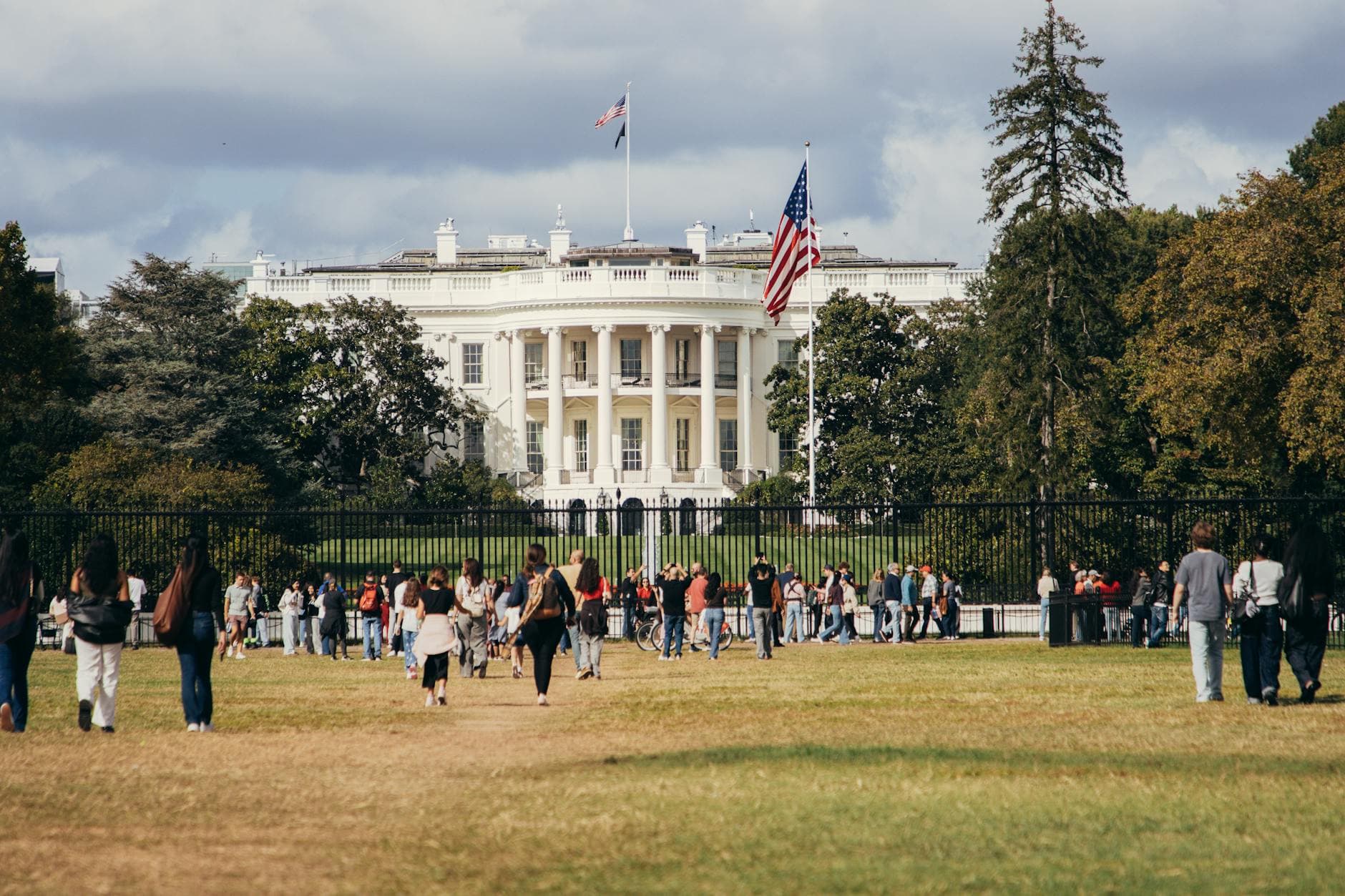
For supporters, that is precisely the point. The monarchy’s usefulness is clearest when it can turn ceremony into leverage, drawing leaders into a setting where history, symbolism and visibility do part of the work. For critics, the same performance invites a harder question: whether royal pageantry still delivers measurable diplomatic value, or simply flatters both sides while the cameras are rolling.
The answer may lie in how this visit is remembered after the motorcades move on. If it helps keep the special relationship vivid in American political life, the Crown will have shown that soft power still has force. If not, the spectacle will stand as another reminder that prestige is easiest to display when it is hardest to convert into influence.
This article was produced by Prism’s automated news system from verified source data, official records, and press releases, then run through automated quality and moderation checks before publishing. The system is built and supervised by the people who set the standards it runs under. Read our full AI policy.
Did this article answer your question?


