Kīlauea summit eruption sends hundreds-foot fountains and ash
A nearly 10-hour summit eruption produced lava fountains and tephra, prompting gas and ash warnings for downwind communities on the Big Island.
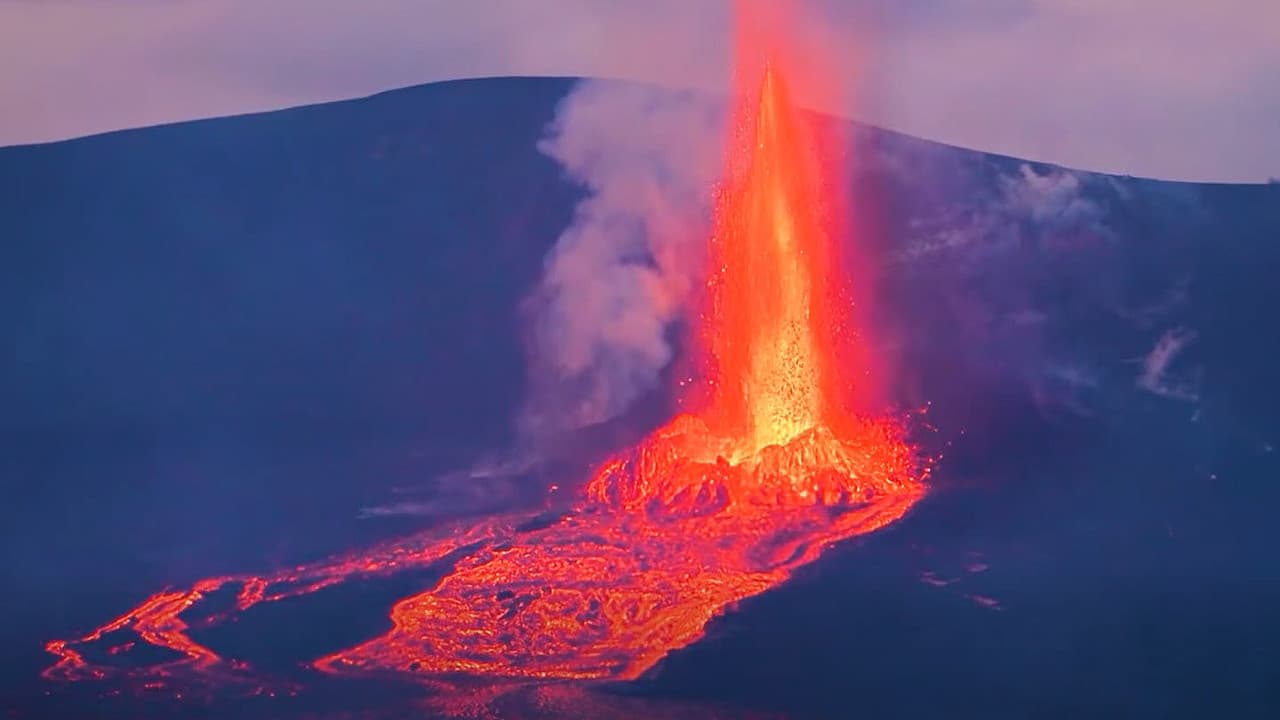
A vigorous episode at Kīlauea’s summit produced towering lava fountains and a large new flow on the Halemaʻumaʻu crater floor, sending elevated gases and fine glass particles downwind and prompting local health warnings.
The 40th episode of the current summit eruption began at 8:22 a.m. HST on Jan. 12, 2026 and after nearly 10 hours of sustained activity ended abruptly at 6:04 p.m. HST that day. U.S. Geological Survey / Hawaiian Volcano Observatory observations documented strong fountaining from the north vent, with estimated heights of several hundred feet at times, and intermittent spattering from the south vent that helped feed a substantial flow across the crater floor within Hawaiʻi Volcanoes National Park.
Elevated gas levels and tephra were noted downwind of the eruption. Hawaiʻi County Civil Defense issued warnings for communities downwind and advised people with respiratory sensitivities to avoid the affected areas. The presence of fine volcanic glass particles can aggravate asthma and other breathing conditions, and local officials emphasized that staying informed about shifting winds and ash plumes is important for public health.
Despite the surge of activity during the episode, the overall Volcano Alert Level remained at WATCH and the Aviation Color Code stayed ORANGE, indicating ongoing unrest and potential hazards to aircraft from ash. The Hawaiian Volcano Observatory continues close monitoring of seismicity, vent behavior and gas emissions, and has posted links to live summit cameras for real-time viewing and situational awareness.
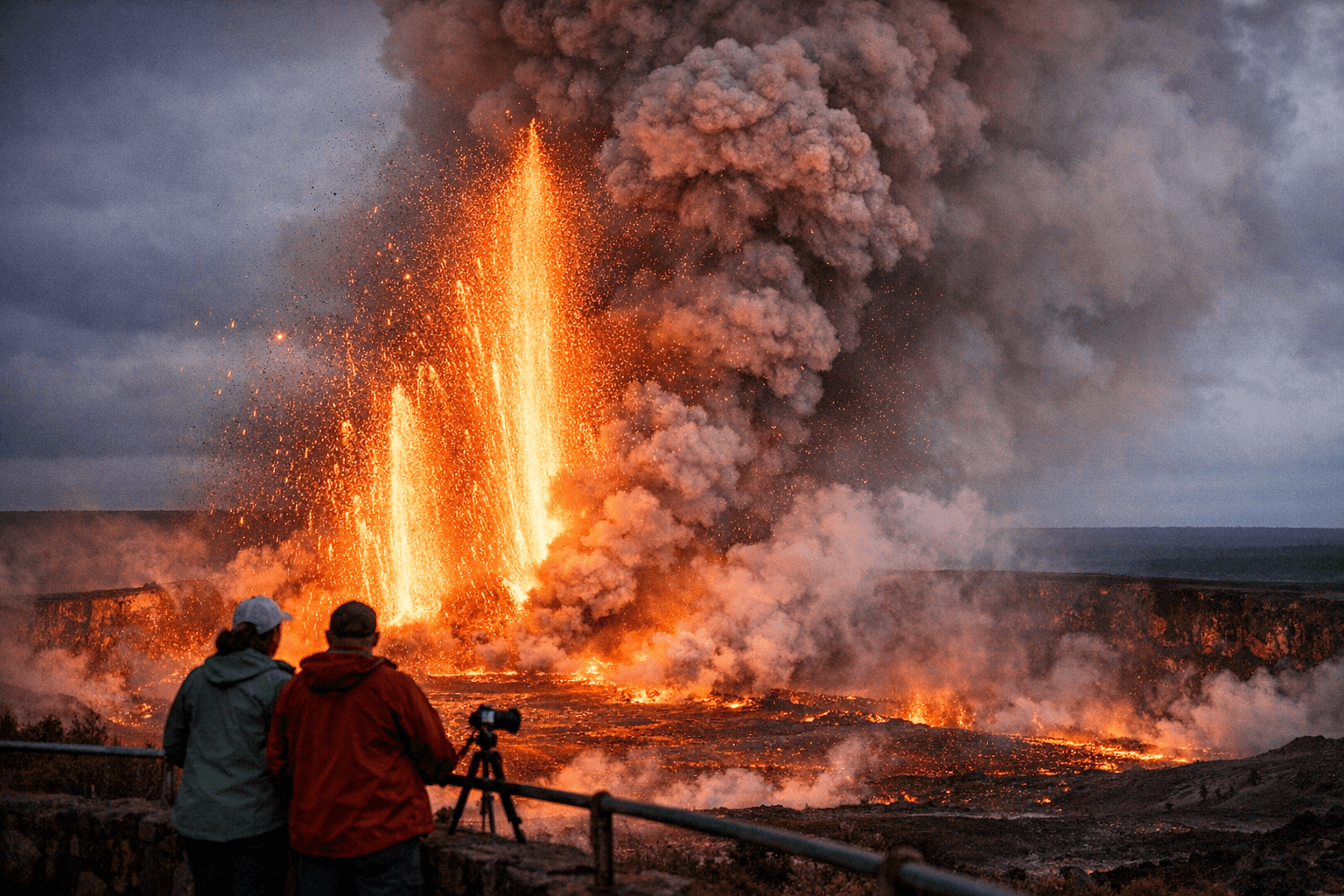
For residents and visitors of the Big Island, the episode underscores how quickly summit activity can change conditions at the park and in downwind neighborhoods. Park visitors should check Hawaiʻi Volcanoes National Park advisories before travel and avoid areas near Halemaʻumaʻu when volcanic activity is elevated. Community members with respiratory issues should follow Civil Defense guidance and consider staying indoors with filtered air until ash and vog clear.
Kīlauea’s summit behavior remains an active local concern with direct impacts on health, visitor access and aviation. HVO monitoring and Civil Defense alerts are the best sources for updates as the volcano evolves, and continued vigilance will help communities respond promptly to any renewed activity.
Sources:
Know something we missed? Have a correction or additional information?
Submit a Tip