University of Hawaiʻi center will bring Phase 1 cancer trials to island
University of Hawaiʻi plans a new center to run Phase 1 cancer trials on island, reducing travel and cost burdens for patients and families.
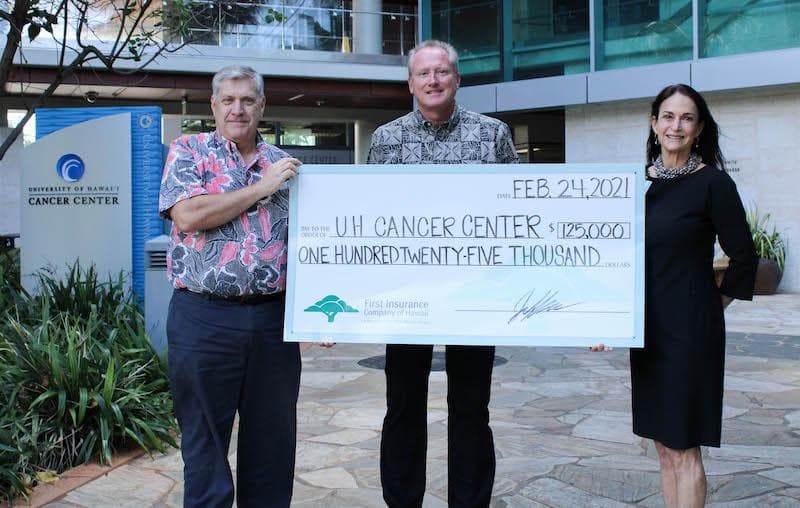
The University of Hawaiʻi Cancer Center announced plans on Jan. 14 to open the Hoʻōla Early Phase Clinical Research Center in early March 2026, creating local access to early-phase cancer trials, including Phase 1 studies. The center is intended to let patients across Hawaiʻi pursue investigational treatments without making trips to the continental United States, a change that could ease financial, logistical and family strains for Big Island families facing cancer care decisions.
Early-phase trials focus primarily on safety, dosing and initial signals of activity for new therapies, often enrolling small cohorts and requiring specialized monitoring. By hosting those trials here, the Cancer Center aims to reduce the need for patients to travel long distances for care that typically demands frequent visits over weeks or months. The announcement noted that additional funding and partnerships are supporting the center, enabling local infrastructure and staffing to meet the regulatory and clinical requirements of early-phase research.
For Big Island residents, the practical benefits are concrete: fewer flights, less time away from work and ohana, and the chance to receive investigational care close to home. Travel for clinical trials can mean substantial out-of-pocket costs, childcare or eldercare challenges and months of separation from family support networks. Bringing trials to the islands also shortens timelines for follow-up visits and can improve continuity between investigational treatment teams and patients' local oncologists.
The center will operate under the standard oversight applied to early-phase research, including close safety monitoring, informed consent processes and coordination with treating physicians. Early-phase studies can offer access to promising experimental therapies but also carry higher uncertainty about effectiveness. Patients considering enrollment will need careful counseling about potential risks, eligibility criteria and what participation entails.

The announcement emphasized partnerships and funding streams that will back the center's operations, though specific partners and amounts were not detailed in the initial news. Establishing early-phase capacity requires investment in clinical space, trained staff, lab and imaging capabilities, and regulatory systems to manage investigational drugs and data.
For the local health system, the center could strengthen research capacity and create new clinical roles and training opportunities on the island. For families confronting cancer, it promises a tangible reduction in the burdens of participating in research that could otherwise move them to the mainland. Talk to your oncologist or the University of Hawaiʻi Cancer Center about eligibility and how the Hoʻōla center may affect treatment and trial options.
As the center prepares to open in March, residents should expect outreach from health providers and updated enrollment information; the shift toward local early-phase trials marks a meaningful step in keeping cutting-edge care closer to home.
Sources:
Know something we missed? Have a correction or additional information?
Submit a Tip