Korg unveils microAUDIO interfaces adding analog filter to compact units
Korg launched two compact microAUDIO interfaces with studio I/O and an onboard analog filter, offering easy, affordable recording and new creative signal shaping for synth setups.
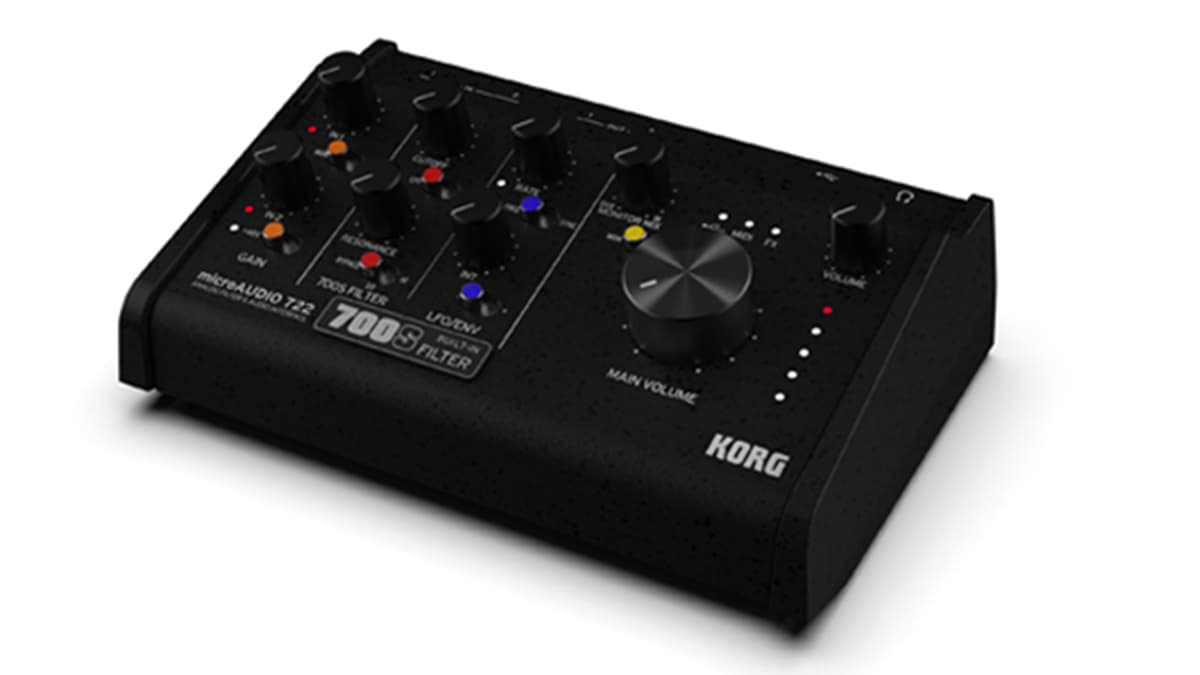
Korg introduced the microAUDIO series on January 16, rolling out two compact audio interfaces aimed at synth players, bedroom producers, and people chasing less gear for more sound. The microAUDIO 22 targets beginners and hobbyists who want clean, professional audio without complexity, while the microAUDIO 722 tacks on an analog filter to create a hands‑on creative signal path as well as conventional interface duties.
Both units support 24‑bit/192 kHz audio, balanced inputs and outputs, studio‑grade preamps, USB MIDI connectivity, and direct monitoring. Each channel provides Mic/Line/Hi‑Z inputs and 48V phantom power, plus assignable Noise Gate and either a Compressor or Limiter. Front‑panel knobs and zero‑latency monitoring are highlighted features that put tactile control back on the desktop where patch cables and knob twiddling matter.
Street prices cited in the announcement put the microAUDIO 22 at about $200 USD and the microAUDIO 722 at about $270 USD, with both available for pre‑order at the time of the post. That pricing slots these boxes into the affordable end of the market while adding features that typically live in higher‑priced gear or in racks of outboard effects. For synth users who juggle modular racks, compact keyboards, and small DAW rigs, the microAUDIO 722’s analog filter offers immediate creative payoff: feed a sawtooth or noisy LFO through the on‑board filter and shape tones without patching in external hardware.
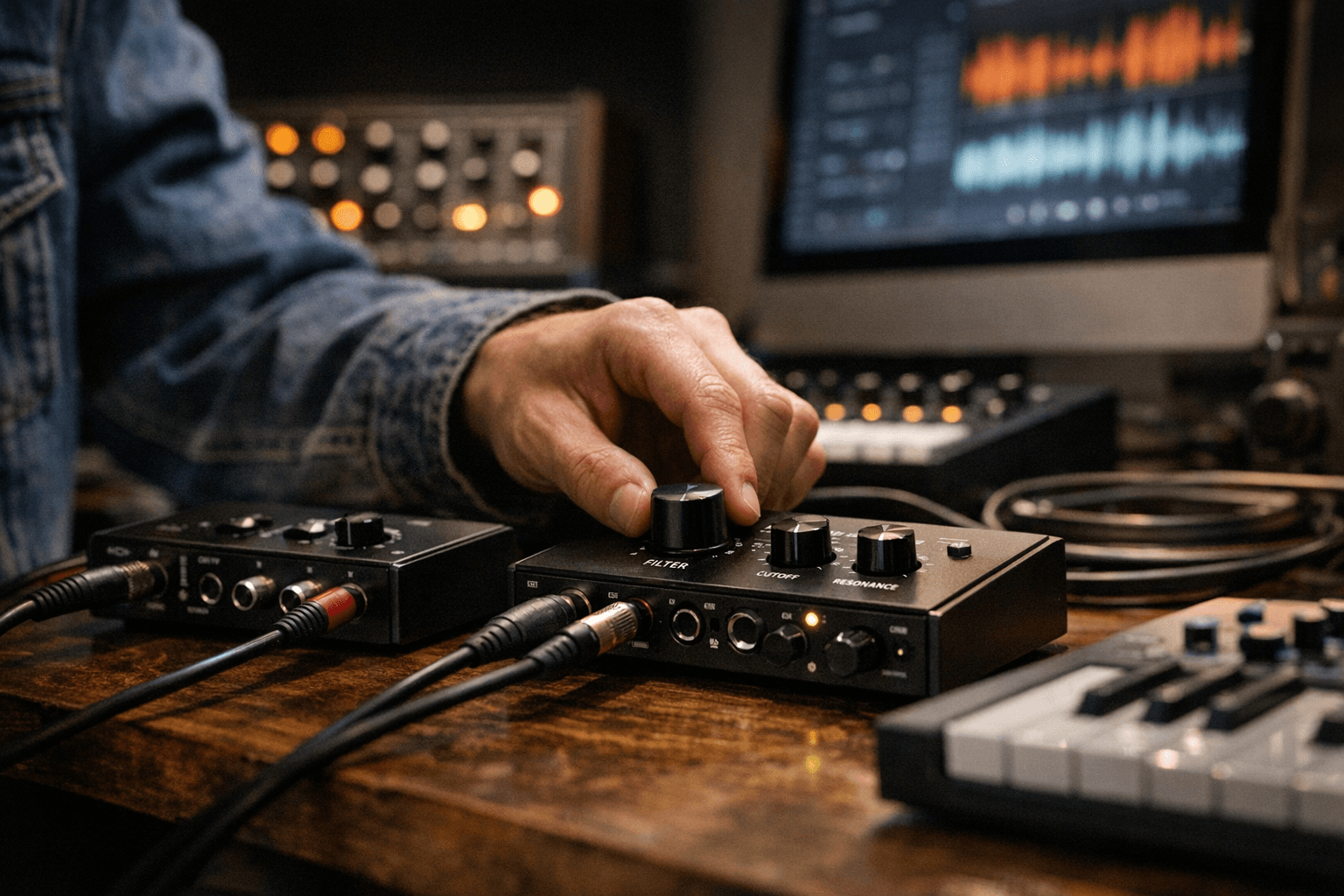
The practical value is straightforward. The I/O and preamp specs mean reliable capture of vocals, keyboards, and DI sources, while Hi‑Z inputs and 48V support let players plug in guitars and condenser mics without adapters. USB MIDI lets hardware synths and controller keyboards integrate cleanly with a laptop workflow, and the assignable gate and dynamics per channel keeps signal chain issues manageable during live takes or quick sketch sessions. Front‑panel hands‑on controls reduce context switching between computer and hardware, helping to curb GAS for extra controllers.
For the community, these units nudge a trend toward compact, affordable interfaces that do more than convert audio: they add creative coloration and workflow convenience. Expect the microAUDIO 22 to appeal to beginners building their first rigs and the 722 to tempt synth players who want immediate analog flavor without extra pedals or racks. Check compatibility with your DAW and OS before ordering, and factor the on‑board filter into your patching plans, this could cut down on extra gear and speed up those feedback effects and live tweaks.
Know something we missed? Have a correction or additional information?
Submit a Tip