Kosovo detains 109 amid vote-tampering probe, recount ordered
Kosovo detained 109 suspects after video audits showed irregularities in the December 28 election, forcing a partial recount and raising questions about political stability.
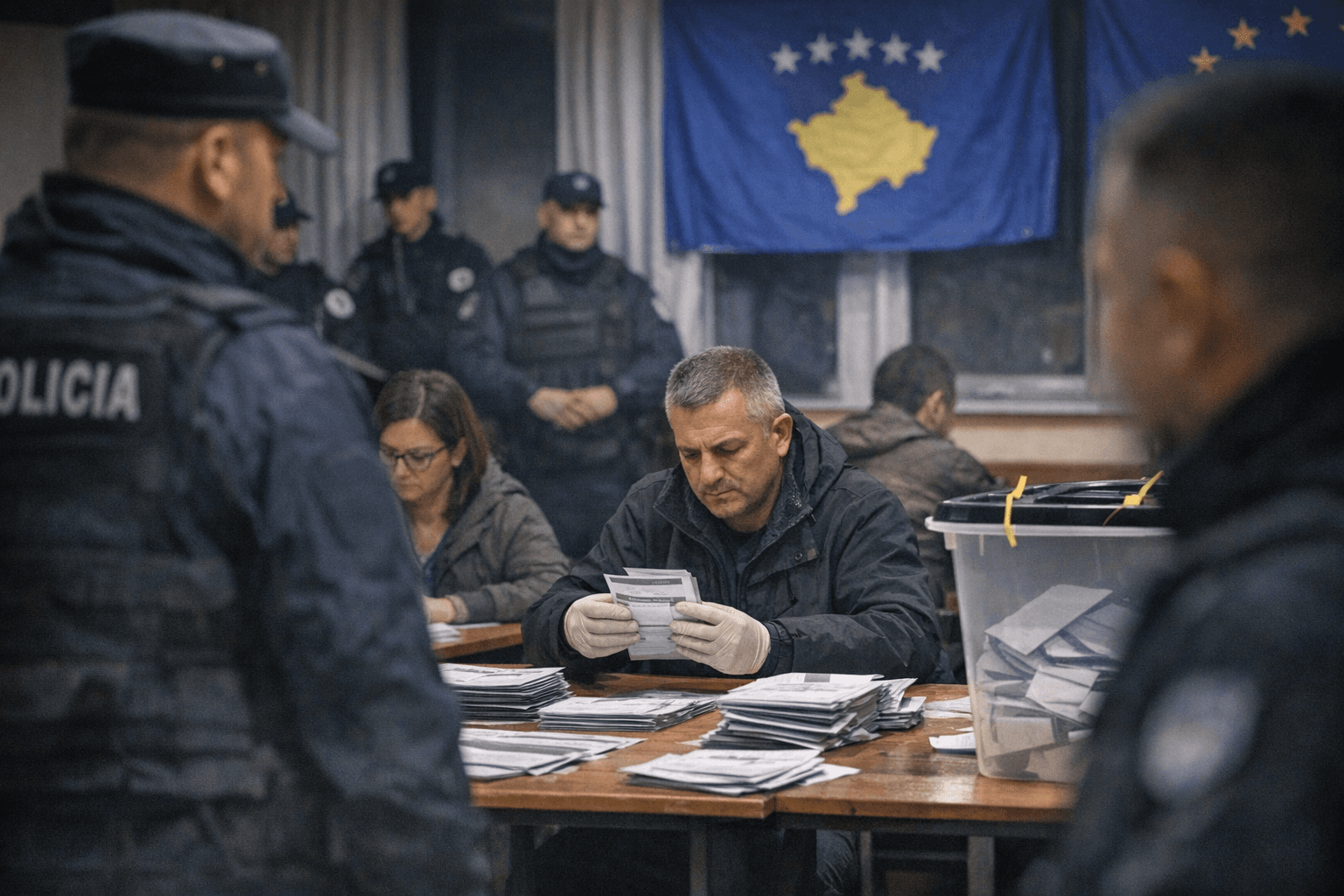
Kosovo prosecutors detained 109 people on suspicion of tampering with votes from the December 28 parliamentary election, officials said, after video checks and investigations revealed irregularities at multiple counting centres and prompted a court-ordered recount. The detainees were mainly election commissioners, party-appointed in many precincts, according to the prosecutors’ announcement.
Prosecutors said the detentions followed a review of closed-circuit footage and paper records that flagged inconsistent handling of ballots and anomalies during the counting process. Authorities moved quickly to isolate affected ballot boxes and to open recounts at centres where the evidence suggested manipulation. The scope of the recount has not been fully detailed by officials, but the action is likely to delay certification of results and the transfer of power or formation of a new coalition.
The crackdown exposes vulnerabilities in local election administration, where commissioners often are political appointees tasked with overseeing the mechanics of voting. That arrangement, combined with a heightened partisan atmosphere after a closely watched election, created fertile ground for the irregularities investigators uncovered, legal analysts in Pristina said. The use of video audits in the investigation underscores how technological monitoring now plays a central role in preserving electoral integrity across the region.
Kosovo’s institutions face a test of credibility. The December vote was intended to produce a mandate for governing and to shape the country’s trajectory on issues ranging from European integration to relations with Serbia. With key results in flux, the recount and ensuing prosecutions will determine not just which parties secure seats but also whether the public views the outcome as legitimate.
International stakeholders have long urged transparent electoral processes in Kosovo, mindful that contested votes can ripple across the Balkans. While diplomats and international monitors have not yet issued new public statements tied to the detentions, any prolonged uncertainty could complicate engagement on EU accession talks and on regional dialogue with Belgrade, where political leaders monitor Kosovo’s internal developments closely.
The detentions raise practical questions about prosecution and due process. Kosovo’s justice system will need to demonstrate impartiality as it prepares potential charges and court procedures for those held. Legal experts warn that heavy-handed or politicized prosecutions could deepen polarization; conversely, a measured, transparent approach could reinforce the rule of law and restore confidence in electoral institutions.
Local civil society groups and election watchdogs are likely to press for full disclosure of audit findings, access to recounts, and guarantees that ballots from minority and rural communities are counted fairly. For many voters, the immediate concern is simple: that the vote they cast matters.
The events also highlight a broader lesson for emerging democracies. Where administrative roles in elections are closely tied to party systems, the risk of procedural abuse increases, and technological safeguards such as video recording become both a deterrent and an evidentiary tool. How Kosovo’s authorities handle the legal and electoral follow-through in the coming weeks will shape domestic politics and influence how international partners assess the country’s democratic resilience.
This article was produced by Prism’s automated news system from verified source data, official records, and press releases, then run through automated quality and moderation checks before publishing. The system is built and supervised by the people who set the standards it runs under. Read our full AI policy.
Did this article answer your question?

