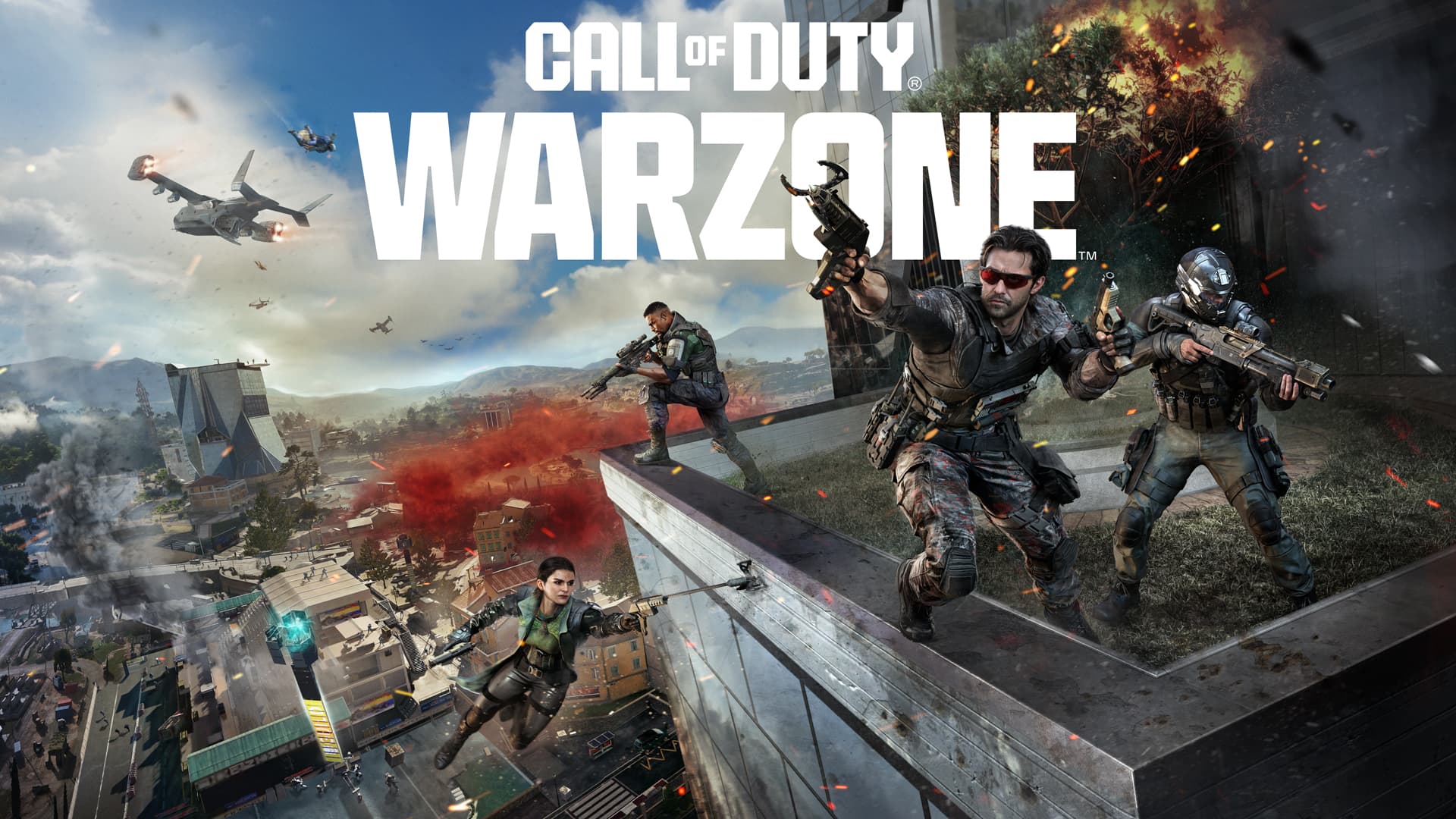
Kotick blames Battlefield for Call of Duty 2025 sales collapse
Former Activision CEO Bobby Kotick said Call of Duty sales dropped about 60% in 2025 and blamed Battlefield competition. This matters for players tracking population, seasons, and monetization.

Former Activision CEO Bobby Kotick told a court that Call of Duty sales in 2025 fell roughly 60 percent compared with 2024, and he pointed the finger at increased competition from Battlefield as a primary cause. In a legal filing, Kotick wrote, "[Call of Duty] is on track to perform over 60 percent below last year because of intense competition from titles like Battlefield, destroying the FTC’s now defeated argument about the lack of competition in the first-person action game category."
The claim lands amid an ongoing legal fight tied to the Microsoft acquisition of Activision-Blizzard. The original lawsuit was filed by Swedish pension fund Sjunde AP-Fonden (AP7) in 2022 and has pressed questions about the timing and motives behind the sale. That litigation has prompted Kotick and his legal team to push back, denying that the deal was rushed and arguing broader market forces have hit the franchise since his departure.
Community reaction to Kotick’s filing was immediate and sharp. Many players argued that Activision-Blizzard’s own decisions, from outlandish cosmetic releases to high-profile crossovers, have eroded the franchise’s core appeal for fans who favor tense, grounded combat. Developers have already made a hardline change in the Black Ops line; the studio announced that Black Ops 7 will not allow carryover items or progress from Black Ops 6, a move that has inflamed frustration among longtime players expecting continuity between entries.
Kotick’s filing also accused a rival, naming the Embracer Group as part of a broader scheme tied to litigation and talent recruitment; Embracer has denied those claims. Kotick framed Call of Duty’s dip as evidence that an increasingly crowded FPS marketplace, not internal scandal or mismanagement alone, is reshaping player behavior and sales.
For players and community members, the practical effects are immediate and concrete. Lower sales typically translate into smaller player populations, which can affect matchmaking times, ranked playlist health, and the viability of new esports circuits. They can also shift short-term studio priorities toward retention-driven live-service tweaks, seasonal content pushes, or deeper discounts to bring lapsed players back. If you’re tracking where to spend time and money, watch population indicators, playlist wait times, and the next few season roadmaps closely.
This story shifts the conversation from corporate legal maneuvering back to what matters in the lobby: how many players are online, what’s in the seasonal drop, and whether the next update respects the tone that longtime fans expect. Expect more filings and pushback in court, but for players the near-term signal is simple, keep an eye on player counts and dev communication to see whether Call of Duty stabilizes or continues to bleed players to its competitors.
Know something we missed? Have a correction or additional information?
Submit a Tip