Kraken buys Covelya for CA$615M to build global undersea tech platform
Kraken signed to acquire Covelya for roughly CA$615 million, broadening its mission-critical subsea systems reach; company earlier added U.S. LiDAR specialist 3D at Depth.
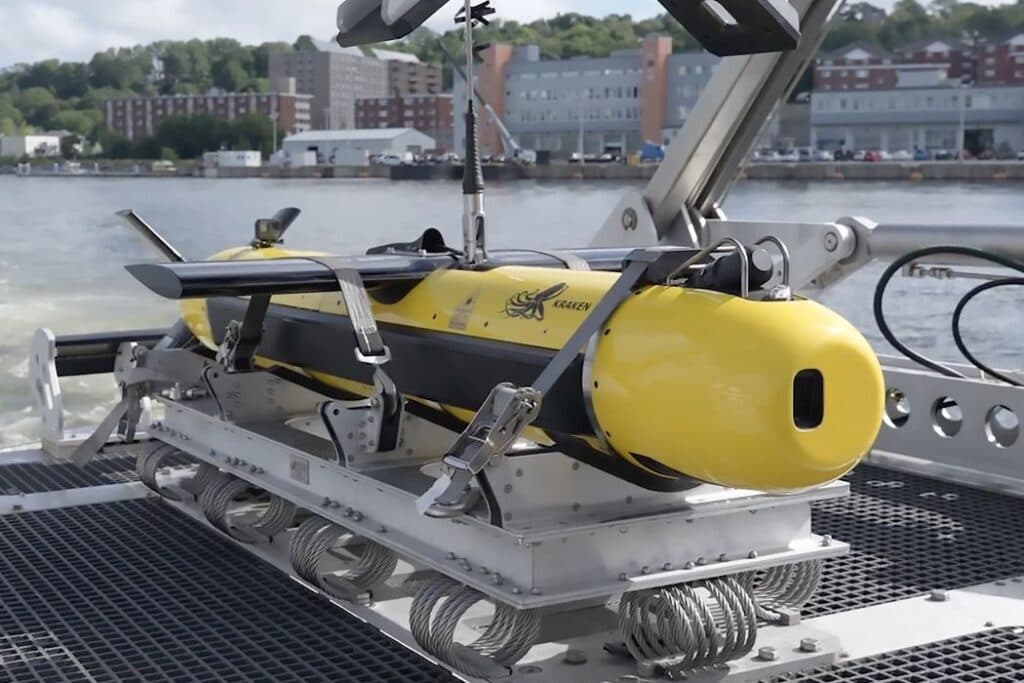
Kraken Robotics Inc. (TSX-V: PNG, OTCQB: KRKNF) signed an agreement on March 3, 2026 to acquire the Covelya Group for roughly CA$615 million, a move the company says will broaden its global footprint in mission-critical underwater systems. The deal marks a rapid scaling step for the St. John’s, Newfoundland firm and follows a 2025 bolt-on that placed Kraken into the U.S. market.
Kraken completed its purchase of 3D at Depth, Inc. in early April 2025 after signing a definitive agreement in March. The U.S. company was acquired for US$17 million in cash, subject to customary adjustments, and will transition to the Kraken brand as a wholly owned subsidiary. 3D at Depth brings high-resolution subsea LiDAR metrology, a 56-person workforce, and a project record of more than 450 marine surveys across 18 countries with clients including Exxon, Shell, and BP.
Greg Reid, Kraken’s president and CEO, framed the 3D at Depth deal around capability and market access. He said, "The acquisition of 3D at Depth builds upon Kraken’s expertise in subsea optical systems, developed through our SeaVision product line, and significantly expands our subsea service offering by adding high-value, high-margin solutions that feature differentiated capabilities." Reid added that the deal provides Kraken "an expanded presence in the United States, with new offices in Texas and Colorado" and "a strategic entry point into the U.S. market." He also noted the firms' complementary offerings and customer reach: "We are pleased to welcome 3D at Depth to the Kraken Robotics team and look forward to offering our comprehensive subsea intelligence solutions to our clients. Our combined solutions are complementary, enabling us to provide best-in-class technologies to our global customer base across the commercial, defense, and marine research sectors."
Kraken has emphasized a strategy of combining acoustic and optical systems. Its Synthetic Aperture Sonar, SeaVision optical line, SeaPower systems, and other products claim higher resolution, greater range, and industry-leading Area Coverage Rates, enabling uses from mine countermeasures and port security to habitat mapping and infrastructure integrity surveys. 3D at Depth’s LiDAR has been deployed on diver platforms, remotely operated vehicles, towed systems, crawlers, and uncrewed underwater vehicles, improving precision for measurement, inspection, and leak detection on offshore assets.
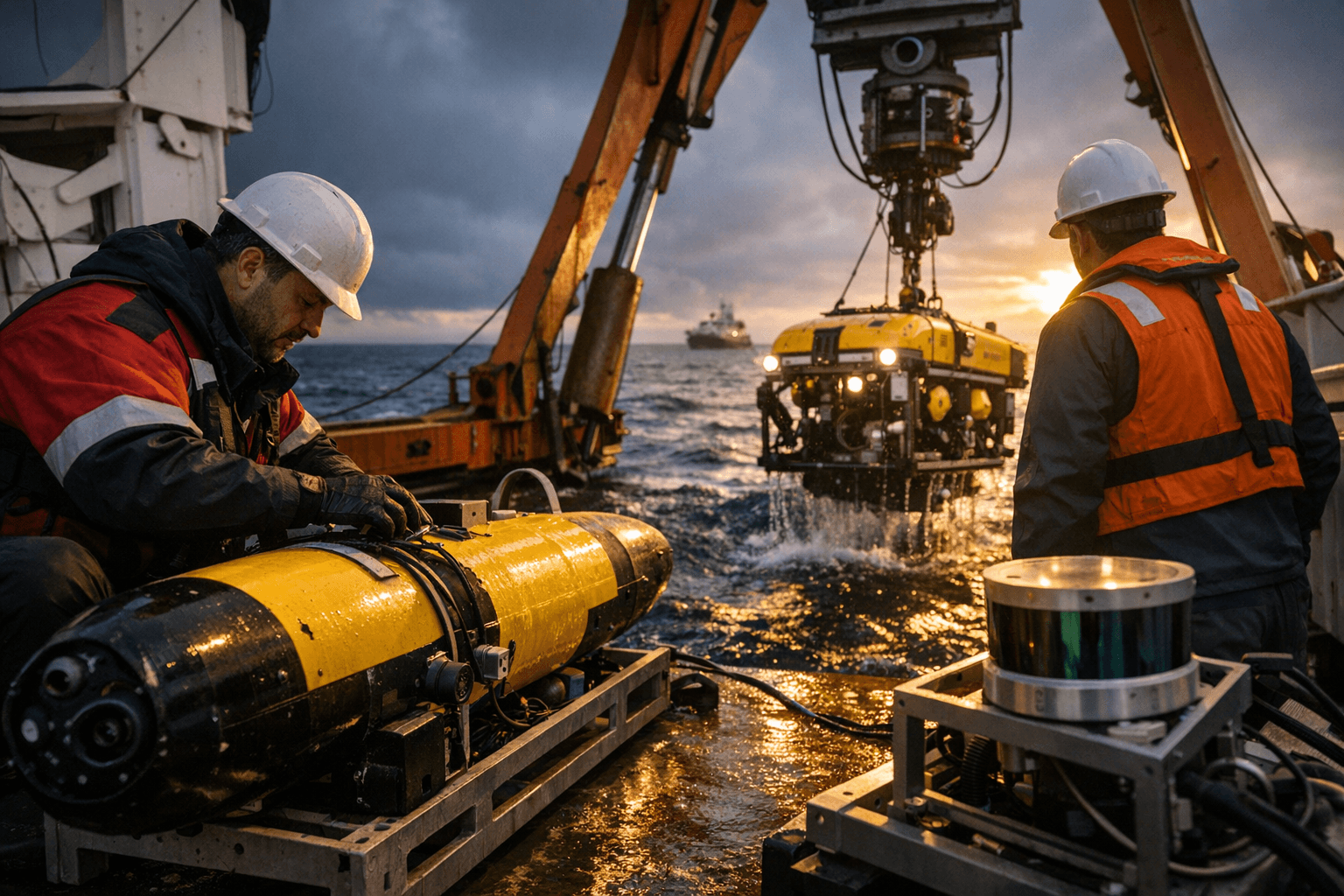
Those technical gains carry direct public health and community implications. More precise leak detection and integrity monitoring can reduce the frequency and scale of contamination events that threaten coastal fisheries, drinking water and livelihoods in Gulf and Atlantic communities. Enhanced habitat mapping can support conservation actions that preserve food security for Indigenous and low-income coastal populations. At the same time, consolidation in niche subsea suppliers raises questions about procurement transparency, competition for defense and commercial contracts, and whether promised manufacturing and job gains will materialize in the regions where Kraken now operates.
The Covelya announcement left many commercial details unspecified. The source materials provided a CA$615 million consideration but did not disclose whether the price is cash, stock, or a mix, nor did they give a U.S. dollar equivalent, closing timeline, or Covelya financials and headcount. Those gaps matter for regulators and communities: a deal of this scale in mission-critical systems may attract review for national security or foreign investment implications, and local stakeholders will want clarity on job retention and supplier commitments.
Kraken’s rapid push into U.S. facilities and higher-end services signals a consolidating market for subsea intelligence. For coastal communities and environmental stewards, the outcome will hinge on whether greater technical capacity translates into safer infrastructure, healthier ecosystems, and equitable economic benefits, or whether market concentration reduces accountability and local economic opportunity.
This article was produced by Prism’s automated news system from verified source data, official records, and press releases, then run through automated quality and moderation checks before publishing. The system is built and supervised by the people who set the standards it runs under. Read our full AI policy.
Did this article answer your question?

