Kremlin acknowledges celebrity blogger’s criticism over Russia’s growing strain
A celebrity blogger’s 20-minute appeal to Vladimir Putin drew more than 20 million views, and the Kremlin publicly conceded her complaints were real.
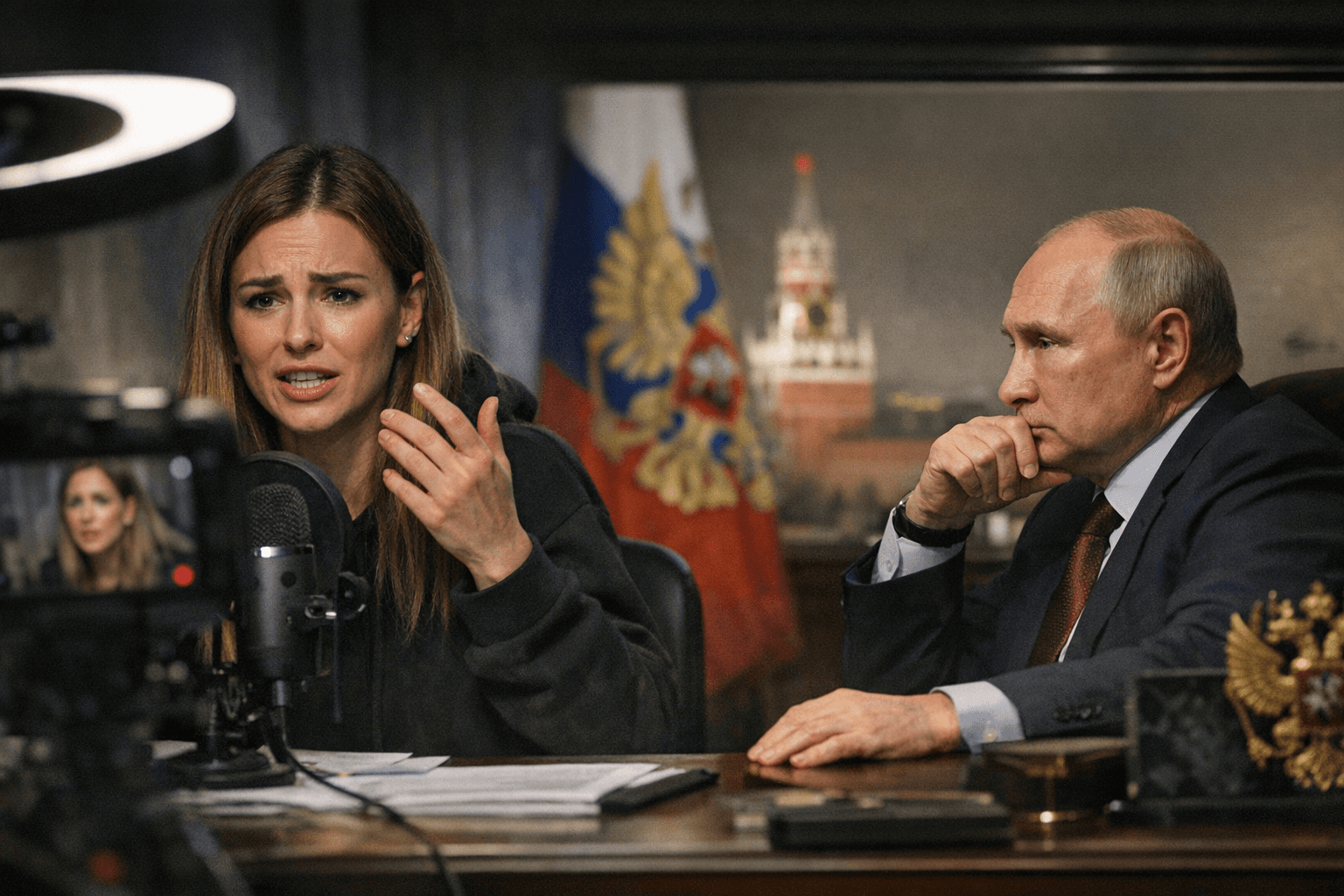
The Kremlin took the unusual step of publicly acknowledging a celebrity blogger’s criticism after Viktoria Bonya warned Vladimir Putin that ordinary Russians were being squeezed by corruption, poor governance and mounting social strain. Bonya’s nearly 20-minute video, posted on Instagram, drew more than 20 million views and more than 1 million likes, a rare burst of attention for a message that pushed into the center of Russia’s tightly managed political space.
Bonya, who lives outside Russia but remains widely known at home through reality TV and other appearances, said she supported Putin but argued that officials were not telling him the truth about conditions on the ground. Her appeal ranged from internet restrictions to disaster response and agricultural losses. She said a sweeping crackdown on the internet, social media and messenger apps was leaving people increasingly frustrated, and she pointed to the slow response to flooding in Dagestan and the handling of cattle disease in Siberia.
Dmitry Peskov, the Kremlin spokesman, responded that the government had seen the video, that the issues raised were real and that work was already under way. His remarks amounted to a public validation that Moscow rarely offers to a critic, especially one whose comments were amplified online rather than through an approved political channel. Instagram is banned in Russia, but many users still reach it through VPNs, underscoring how social media remains part of the public conversation even under censorship.
The issues Bonya raised were not abstract. In Dagestan, floods in early April killed six people and displaced thousands, and a Reuters photo report said more than 6,000 homes and gardens were flooded across 25 settlements. In Siberia’s Novosibirsk region, a March 27 report from the U.S. Department of Agriculture Foreign Agricultural Service said Russian veterinary authorities were responding to outbreaks of pasteurellosis and rabies with culling, quarantine and movement controls, while warning that the scale of the measures could point to an unconfirmed foot-and-mouth disease outbreak.
The timing also mattered. The appeal came shortly before parliamentary elections later in 2026, when the Kremlin had every reason to keep public frustration from hardening into political risk. A follow-up denial that Putin was insulated from bad news reinforced the same message: that the leadership was listening, even as it kept firm control over how dissent is aired and interpreted.
This article was produced by Prism’s automated news system from verified source data, official records, and press releases, then run through automated quality and moderation checks before publishing. The system is built and supervised by the people who set the standards it runs under. Read our full AI policy.
Did this article answer your question?

