Kremlin Rejects Christmas Truce, Blocking Immediate Peace Opening
The Kremlin on December 16 refused a German proposed Christmas ceasefire for Ukraine, with spokesman Dmitry Peskov saying Moscow would not accept a pause that he argued would allow Ukrainian forces to regroup. The rejection comes as the United States and European mediators intensify diplomacy, and it raises fresh questions about the financing of Ukraine's war effort and the economic fallout for Europe if the conflict continues.
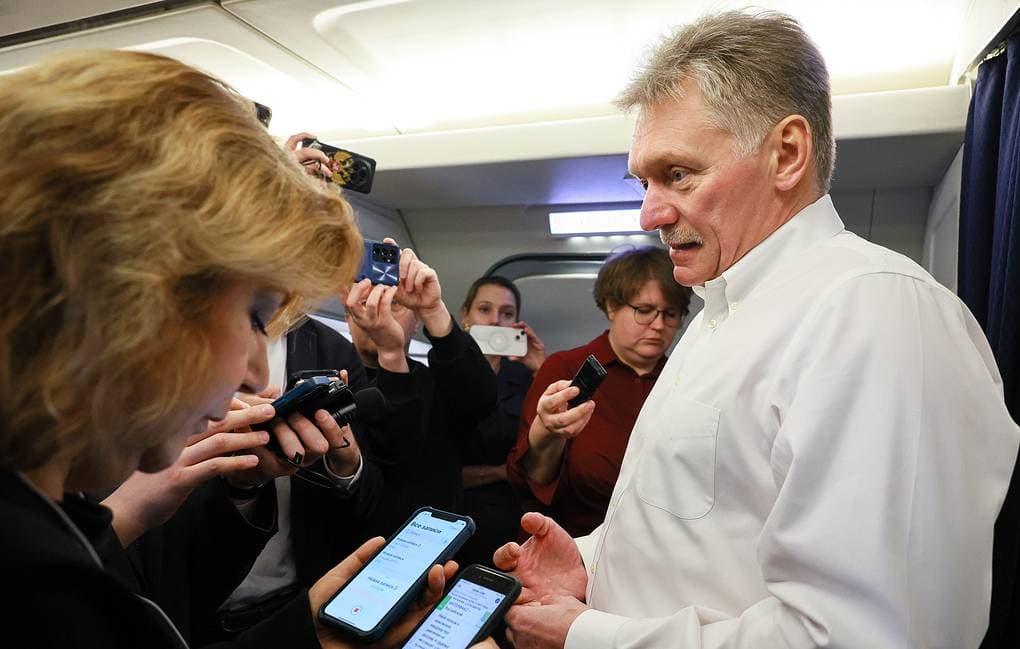
Dmitry Peskov rejected proposals for a Christmas ceasefire in Ukraine on December 16, saying Moscow would not agree to a temporary pause that, in his words, "would give Ukraine time to rest and prepare to continue the war." The Kremlin spokesman framed the refusal as part of a consistent policy aimed at securing what he described as lasting peace, and warned against short term measures that he called unviable.
Peskov reiterated that Russia "wants peace" while declining a holiday halt that he said would let Kyiv regroup. He added that if Ukraine sought to substitute a negotiated settlement with "short term, unviable solutions" Moscow would be unlikely to participate. Earlier in December Peskov had similarly told reporters that Russian authorities had no plans to initiate a New Year ceasefire.
The rejection undercut a diplomatic push that gathered momentum after talks in Berlin, where Germany urged Moscow to consider a holiday pause as a potential opening to broader talks. President Volodymyr Zelensky signaled Kyiv and its main backer were open to a temporary pause, saying "The United States supports this idea. I, as president, certainly support this idea." He emphasized however that any stop would depend on Russia's political will and that Ukraine would insist on the quality and enforceability of any agreement. Kyiv also floated an alternative measure described as an energy ceasefire, aimed at easing civilian suffering without surrendering battlefield positions.
The operational record of past holiday pauses has been fraught. An earlier Easter truce was reportedly violated nearly 3,000 times before ending on its third day, a statistic that has hardened Kyiv's caution about any ceasefire that could be exploited by more powerful adversaries. Fighting across multiple sectors of the front has intensified in recent weeks, with Russian forces stepping up offensive operations, a dynamic that Kyiv says makes any pause risky from a military perspective.
Beyond immediate security implications, the Kremlin decision has economic consequences. Ukraine's defense minister told reporters on December 16 that Kyiv expects partners to cover half of a projected 120 billion dollar defense budget for 2026. That request would amount to roughly 60 billion dollars in external support and represents a significant fiscal demand on Western governments already balancing domestic spending pressures and inflation concerns.
For markets and policy makers the lack of a truce increases uncertainty across several areas. Energy security in Europe remains sensitive to spikes in military activity and the prospect of infrastructure attacks, which can affect power and gas markets. Persisting conflict also sustains demand for military equipment and munitions, supporting defense sector revenues while raising long term borrowing needs for Ukraine and for allies providing aid. The longer the war continues the greater the strain on public finances and on investor risk premia for countries heavily exposed to security assistance commitments.
With Moscow publicly closing the door on a Christmas pause, diplomats say the only immediate path to reduced hostilities would require a tangible shift in Kremlin calculus. Absent that change, humanitarian pauses and confidence building measures remain stalled, and Western capitals face mounting decisions about how to fund a prolonged conflict and manage spillovers to energy markets and public finances.
This article was produced by Prism’s automated news system from verified source data, official records, and press releases, then run through automated quality and moderation checks before publishing. The system is built and supervised by the people who set the standards it runs under. Read our full AI policy.
Did this article answer your question?