Kremlin says European, Ukrainian edits to U.S. peace draft do not help
The Kremlin told reporters in Moscow that amendments by European leaders and Ukrainian officials to a U.S. draft peace plan for Ukraine do not improve the chances of long term peace, deepening diplomatic uncertainty over a proposal leaked last month. The statement raises fresh questions about whether backchannel talks will translate into a negotiated end to a nearly four year conflict, and what that means for European stability and markets.

The Kremlin on Sunday dismissed changes made by European and Ukrainian participants to a U.S. draft proposal for ending the war in Ukraine as failing to advance prospects for a lasting settlement. Yuri Ushakov, a foreign policy aide to President Vladimir Putin, told reporters in Moscow that amendments “put forward or being put forward by Europeans together with Ukrainians definitely do not improve the document and do not improve the possibility of achieving a long term peace.”
Ushakov said he had not seen the revised text “on paper” and cautioned that his remarks were not predictive, adding “This is not a forecast.” He also told reporters he had no information about progress in meetings between Putin’s envoy Kirill Dmitriev and U.S. representatives in Miami, responding negatively when asked about the talks.
The Kremlin comments come after a U.S. draft, first leaked to the media last month, prompted concern among some European and Ukrainian officials that the text was skewed toward Russian positions. Since the leak, European and Ukrainian delegates have been reported to have engaged with U.S. envoys in an effort to reshape the proposal, though the exact contents of the current revised package have not been publicly disclosed.
Diplomats and analysts say the public dispute over the draft underscores a central obstacle to peacemaking: competing redlines and political costs for European capitals and Kyiv. European leaders, mindful of domestic politics and the electoral salience of territorial integrity, have pushed for modifications perceived to strengthen Ukrainian sovereignty. Kyiv’s negotiators have similarly sought protections against any plan that might force territorial concessions after nearly four years of war that began with Russia’s 2022 invasion.
The immediate implications extend beyond diplomacy. Markets react to policy clarity and tail risks, and prolonged uncertainty tends to lift risk premia across assets and exert upward pressure on energy and defense related sectors. For European governments the debate highlights persistent fiscal tradeoffs. Higher defense spending and ongoing military support for Ukraine have reshaped budget priorities across the continent since 2022, and a failure to secure a credible peace framework would likely sustain those pressures into 2026.
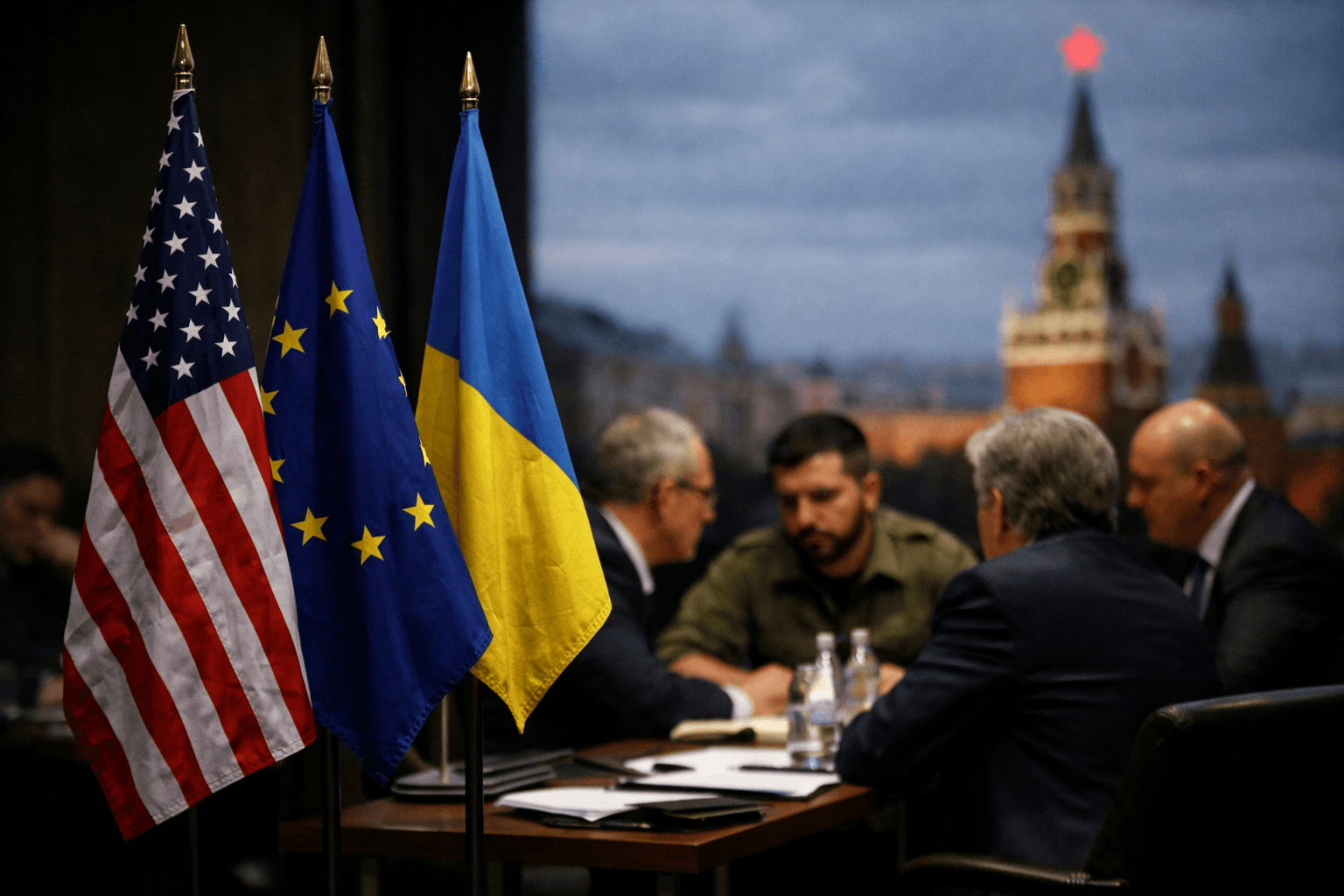
For Kyiv, the stakes remain existential and financial. Without a credible pathway to peace that protects Ukrainian sovereignty, Kyiv must continue to marshal resources for sustained defense while negotiating large scale reconstruction and social spending. For donors, continued uncertainty complicates decisions about aid duration and conditionality.
On the diplomatic front, the outcome of Dmitriev’s talks and subsequent U.S. engagement will be decisive. Reporting indicates U.S. negotiators have held talks with both European and Russian interlocutors and described discussions as constructive, though outcomes remain opaque. The absence of a public revised draft limits outside assessment and fuels skepticism in Moscow and Kyiv alike.
If Ushakov’s assessment holds, the immediate prospect is for a prolonged diplomatic impasse. That would extend the era of elevated geopolitical risk, with implications for financial markets, energy security and long term fiscal commitments across Europe. The coming weeks will test whether backchannel diplomacy can convert into a written text acceptable to all parties, or whether the draft becomes another episodic flare in a conflict that has reshaped Europe’s political economy.
This article was produced by Prism’s automated news system from verified source data, official records, and press releases, then run through automated quality and moderation checks before publishing. The system is built and supervised by the people who set the standards it runs under. Read our full AI policy.
Did this article answer your question?